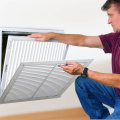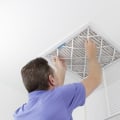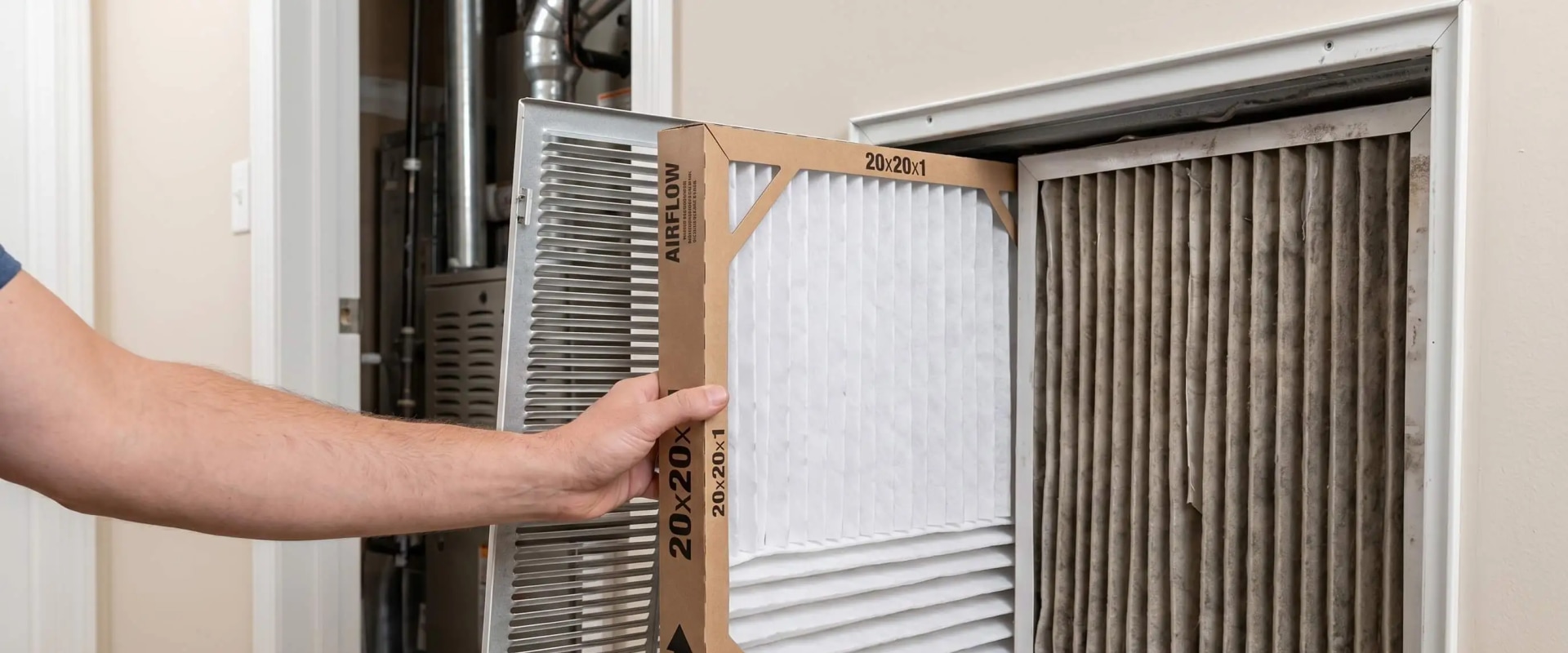
That return filter is the single highest-leverage piece of indoor air equipment most American homes contain. For families managing respiratory issues, the right 20x20x1 air filter can make the choice between MERV 8, 11, and 13 feel less like a spec-sheet question and more like a practical step toward cleaner breathing. The right answer changes how someone wakes up in the morning.
TL;DR Quick Answers
20x20x1 air filter
A 20x20x1 air filter is the most common residential return-air HVAC filter size in the United States, installed in most homes built since the early 2000s. Actual dimensions are 19.5" x 19.5" x 0.75", and the filter is stocked in MERV ratings from 8 through 13 plus odor-eliminator options for residential use.
Actual size: 19.5" x 19.5" x 0.75". The "20x20x1" label is nominal, not literal.
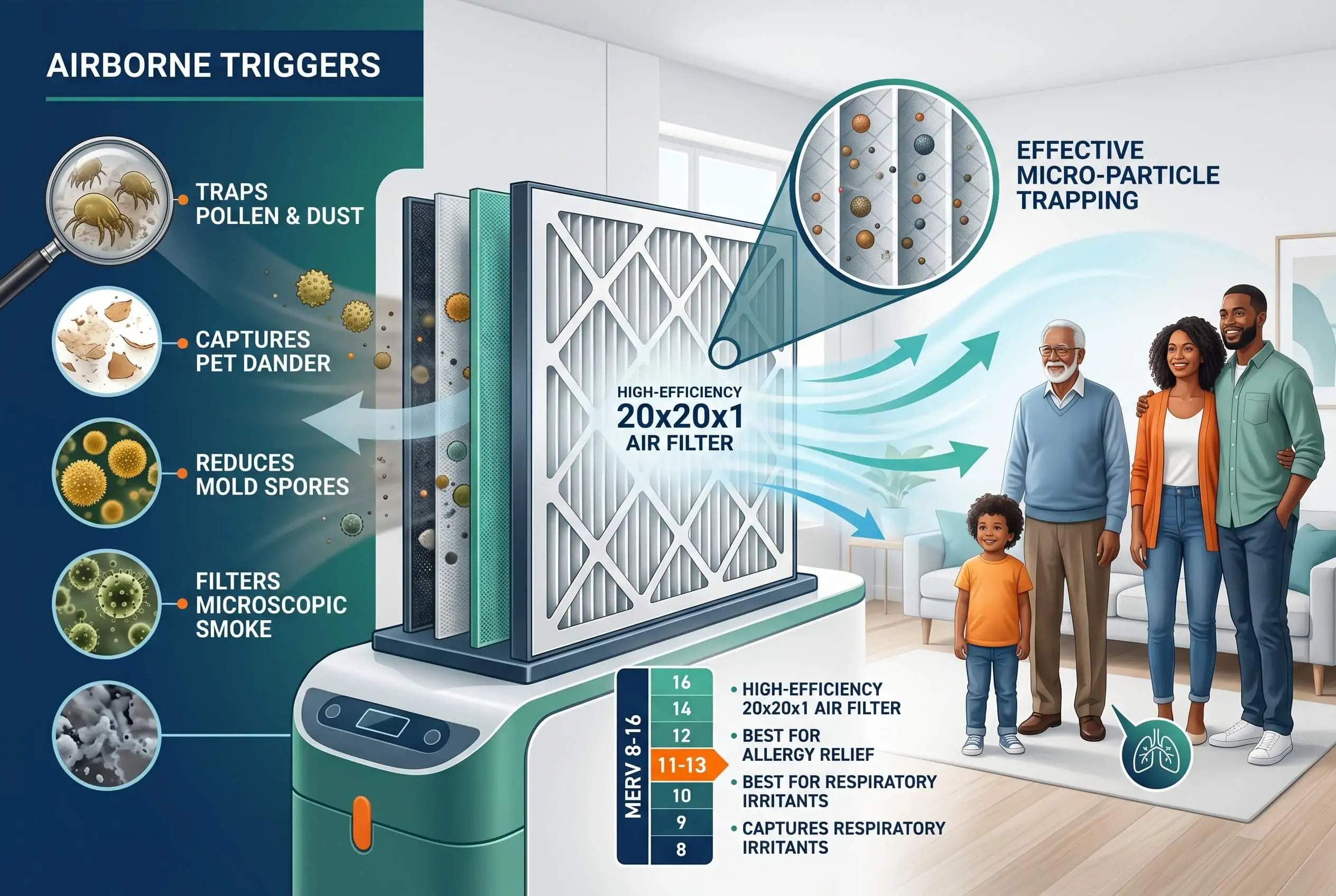
MERV options: MERV 8 for standard residential use, MERV 11 for allergy-sensitive households, MERV 13 as the EPA-recommended baseline for respiratory health, plus odor-eliminator variants.
Replacement cadence: every 60 to 90 days for general residential use. Every 30 to 45 days for households with allergies, pets, or respiratory conditions.
Where it sits: wall return grilles, ceiling returns, and basement return ducts in most U.S. homes built since the early 2000s.
Top Takeaways
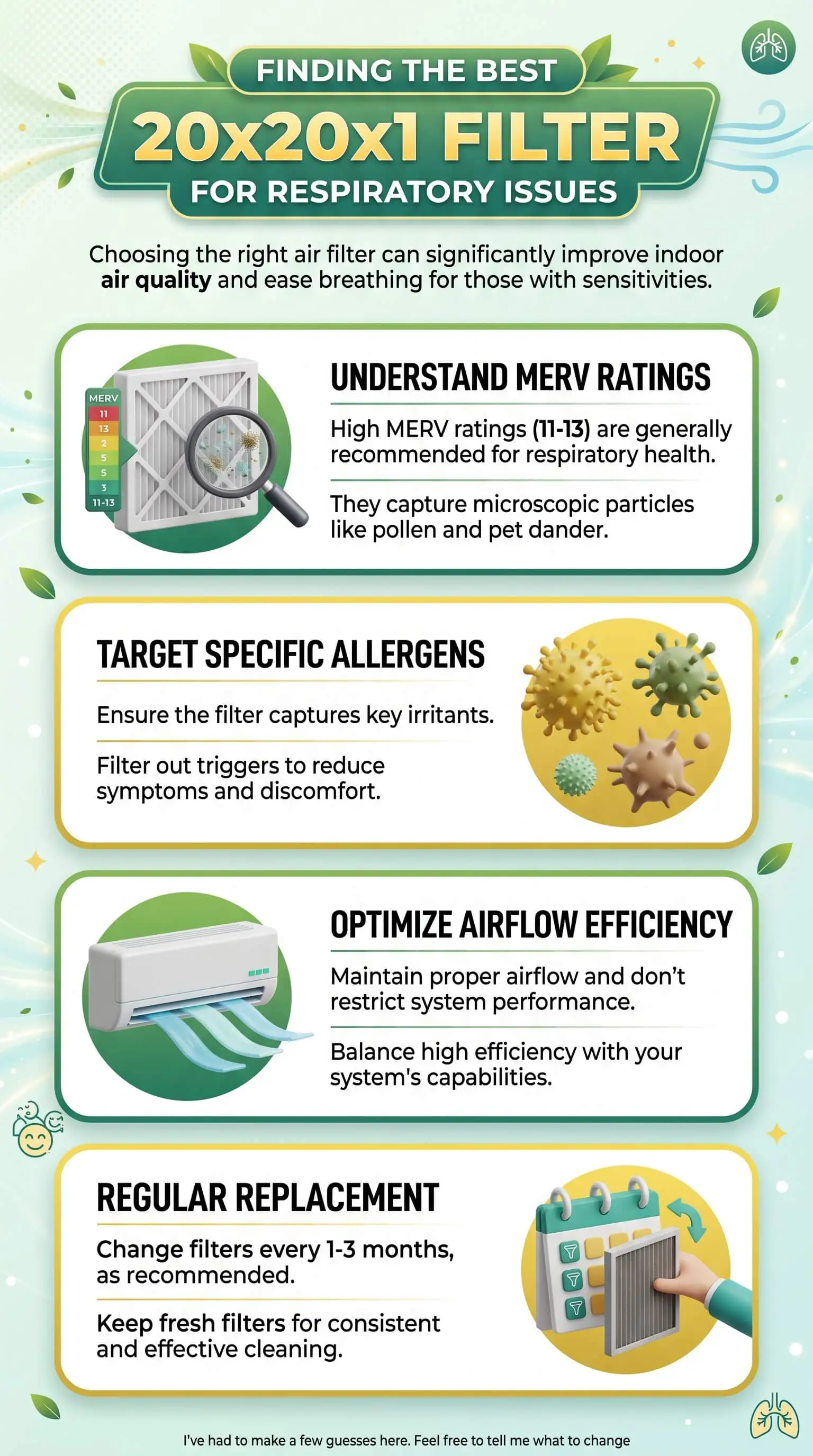
MERV 13 is the EPA-recommended residential baseline. Use it whenever your HVAC system can handle the static pressure increase.
MERV 11 is the airflow-friendly alternative. Older single-stage systems usually do better at MERV 11 than they would with MERV 13.
Changeout cadence beats MERV rating. A MERV 11 changed every 30 days will outperform a MERV 13 left in for 90.
A high-MERV filter alone won't fix severe asthma. Pair it with source control and a portable HEPA in the bedroom or wherever symptoms cluster.
Why the 20x20x1 Filter Matters for People with Respiratory Issues
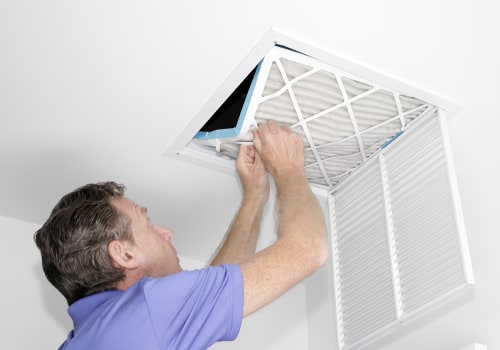
The 20x20x1 became the default residential return-air filter sometime in the early 2000s. You'll find it in wall grilles, ceiling grilles, and basement returns across most U.S. homes built in the last two decades. Whatever air your HVAC system pulls in passes through that filter before cycling to bedrooms, the kitchen, the kids' rooms, anywhere your family actually breathes.
For someone with healthy lungs, the gap between MERV ratings looks academic. The same gap shows up as a 3 a.m. wheeze when there's asthma, COPD, or allergic rhinitis in the house.
Researchers have documented indoor particulate matter as a respiratory trigger for years. EPA tracking of indoor particulate matter shows that fine particle concentrations indoors often sit several times higher than the outdoor air in the same neighborhood. PM2.5, the smaller fraction under 2.5 microns, travels deep into the lungs and crosses into the bloodstream from there.
A return filter is the only piece of equipment in a typical home that touches every cubic foot of air the HVAC system moves. Its rating sets a floor. Whatever passes through it is what your kids breathe in their bedrooms.
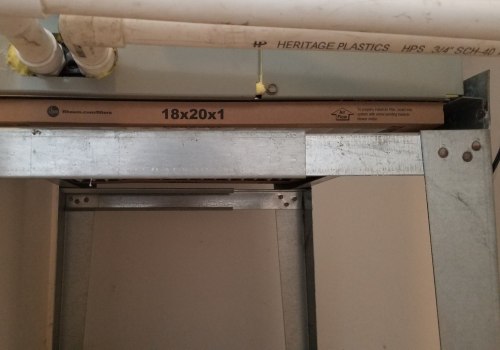
The other thing worth knowing is the actual size. A 20x20x1 measures 19.5" x 19.5" x 0.75", not a true 20 x 20 x 1. The undersizing exists so the filter slides in cleanly. A pleated filter dropped into an older grille originally sized for a cheap fiberglass mat will sometimes leave small gaps along the edges. The moment the blower kicks on, unfiltered air finds those gaps. We see it constantly. The filter rating barely matters when half the air goes around the media instead of through it.
MERV 11 vs MERV 13 for Respiratory Sensitivity
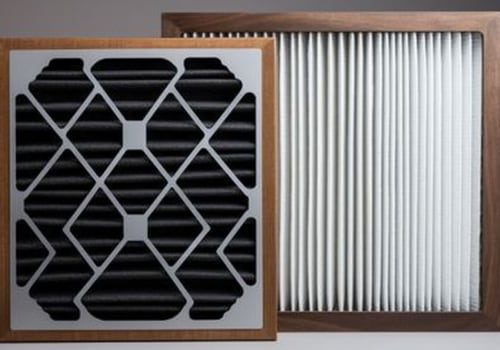
Two MERV ratings actually matter for respiratory-sensitive households: 11 and 13. The number comes from the Minimum Efficiency Reporting Value scale defined by ASHRAE 52.2. It measures how much of each particle size a filter captures. The gap between MERV 11 and MERV 13 lines up almost exactly with the gap between general allergy coverage and clinical respiratory coverage.
MERV 11 captures roughly 95% of airborne particles down to about 1 micron. That handles most pollen, mold spores, the larger dust mite allergen fragments, and a meaningful share of pet dander. Households with general allergy reactivity but no diagnosed condition usually land here. It's also the rating we recommend for older single-stage HVAC systems where airflow restriction would otherwise become a problem.
MERV 13 captures around 98% of airborne particles and reaches down to 0.3 microns. That range includes the PM2.5 particles most strongly tied to asthma flare-ups and COPD exacerbation. The EPA's Guide to Air Cleaners in the Home recommends MERV 13 as the residential baseline whenever the system can handle it. For households with diagnosed asthma, COPD, or anyone immunocompromised, that recommendation is the starting point, not the aspiration. We make MERV-rated 20x20x1 air filters across four performance tiers from MERV 8 up through MERV 13 plus an Odor Eliminator option, so the rating can match both the breathing need and the system tolerance.
Now the honest part. MERV 13 increases static pressure compared to MERV 8 or 11. On a modern variable-speed blower, the difference doesn't register. On a single-stage system from before 2005, jumping straight from MERV 8 to MERV 13 can stress the motor and choke airflow enough to hurt cooling. Before making the jump, pull your blower's spec sheet or get a technician to confirm tolerance. We'd rather you stay at MERV 11 with a clean filter every 30 days than push MERV 13 onto a system that can't move air through it.
How Often to Replace a 20x20x1 Filter When Someone Has Respiratory Issues
For a household without respiratory issues, 60 to 90 days is a reasonable cycle on a 1-inch pleated filter. Respiratory-sensitive households need a tighter schedule. Plan for 30 to 45 days, and shorten the interval during high-pollen seasons, wildfire smoke events, or anytime someone in the home is recovering from a respiratory illness.
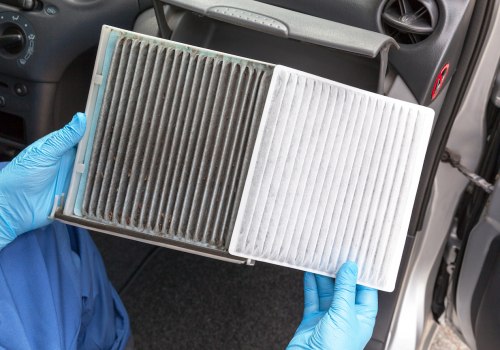
This isn't caution for its own sake. A saturated MERV 11 or MERV 13 stops working long before it looks dirty. As the media loads with particulates, airflow drops, the blower works harder, and the trapped material starts blowing back into the airstream. We've pulled 20x20x1 filters from active households at 60 days that were caked solid with pet hair, candle soot, and cooking residue. The homeowner thought they had another month.
Several things shorten the cycle:
Pets, especially shedding breeds, double the particulate load on the filter media
Indoor smokers or daily candle use load a filter faster than almost anything else in a home
Gas cooking without a vented range hood pushes PM2.5 straight into circulation
Construction or renovation work nearby spreads fine dust through HVAC returns for weeks
Wildfire smoke and seasonal pollen surges can saturate a filter in two weeks
If someone in your home is managing asthma or COPD, set a 30-day reminder on your phone. Pull the filter, hold it up to a light, and decide which types of air filters are best for your system and your family’s needs. If it still looks clean in 30 days, run another two weeks and check again. Swapping a filter early costs a few dollars. Waiting too long costs whatever an ER visit runs in your zip code.
When a 20x20x1 Filter Alone Isn't Enough
A return filter only treats the air your HVAC system actually moves. It can't reach pollutants that get generated and settle inside one specific room before the blower kicks on. A child with severe asthma whose bedroom carpet harbors dust mites won't necessarily see nighttime symptoms improve when the family upgrades to a MERV 13.
That's where particulate air filters in portable HEPA units come in. A portable HEPA cleaner sized for the bedroom runs continuously at the source of exposure, captures particles down to 0.3 microns at 99.97% efficiency, and treats the air right where the person actually sleeps. For respiratory-sensitive households with bedroom-specific symptoms, the portable HEPA is a partner to the return filter, not a substitute for it.
Source control beats filtration almost every time. The best indoor air quality moves usually involve stopping pollutants at their origin before any filter has to deal with them:
Wash bedding weekly in hot water to drop the dust mite load
Vent the range hood to the outside when cooking with gas
Hold indoor humidity between 30% and 50% to limit mold growth
Vacuum with a HEPA-equipped unit so settled particulate doesn't get re-suspended
Keep pets out of bedrooms when dander is a known trigger
A high-MERV return filter, source control at the room level, and a portable HEPA in the highest-use room will do more together than any single piece could on its own. For families working through respiratory issues, top air filters can be a strong part of that layered approach, helping support cleaner airflow where it matters most.
"The 20x20x1 is the workhorse filter in most American homes, and it's also the one we see misused most often. People upgrade to a high-MERV filter without checking their blower spec, and the system can't move air right. The real fix is rarely a better filter. It's the right filter for the system you actually own, changed before it loads. That second part is what protects someone with breathing issues."
Essential Resources
For families working through respiratory health and indoor air quality decisions, these references go deeper than any single article can cover.
EPA — Guide to Air Cleaners in the Home: https://www.epa.gov/indoor-air-quality-iaq/guide-air-cleaners-home
EPA — Indoor Particulate Matter: https://www.epa.gov/indoor-air-quality-iaq/indoor-particulate-matter
EPA — What is a HEPA Filter: https://www.epa.gov/indoor-air-quality-iaq/what-hepa-filter
American Lung Association — Particle Pollution: https://www.lung.org/clean-air/outdoors/what-makes-air-unhealthy/particle-pollution
Asthma and Allergy Foundation of America — Asthma Facts: https://aafa.org/asthma/asthma-facts/
ASHRAE — Filtration & Disinfection Resources: https://www.ashrae.org/technical-resources/filtration-disinfection
CDC / NIOSH — Indoor Environmental Quality: https://www.cdc.gov/niosh/topics/indoorenv/
Supporting Statistics
Statistic 1 — Americans spend roughly 90% of their time indoors, where some pollutant concentrations sit two to five times higher than outdoor levels.
For someone with respiratory issues, that exposure pattern is the whole game. The filter on the return air grille is the only barrier standing between recirculating indoor pollutants and the bedroom where they sleep.
Source: U.S. Environmental Protection Agency — Indoor Air Quality. https://www.epa.gov/report-environment/indoor-air-quality
Statistic 2 — Over 28 million people in the United States live with asthma, roughly 1 in 12 Americans, and the rate has held steady for the last decade.
Inside those numbers are millions of households making filter purchase decisions every quarter without clear guidance. A 20x20x1 in the right MERV is one of the lowest-cost respiratory interventions a family can make.
Source: Asthma and Allergy Foundation of America — Asthma Facts. https://aafa.org/asthma/asthma-facts/
Statistic 3 — Short-term increases in particle pollution drive measurable spikes in asthma hospitalization among children and emergency department visits for COPD.
That data point lands directly on the 30-to-45-day changeout cadence we recommend. Particles that should have been caught at the filter are reaching airways that can't tolerate them.
Source: American Lung Association — Particle Pollution. https://www.lung.org/clean-air/outdoors/what-makes-air-unhealthy/particle-pollution
Final Thoughts
More than a decade of making residential air filters and watching how families actually use them has firmed up where we land on this. If someone in the household is managing asthma, COPD, or persistent airway irritation, American Standard air filters can be a smart, reliable part of the solution when matched to the right MERV rating, changed every 30 to 45 days, and used as one piece of a layered indoor air strategy rather than a single fix.
Our strongest opinion is the unglamorous one. Changeout schedule beats MERV rating. A MERV 8 swapped every 30 days will protect sensitive airways better than a MERV 13 left in the system for three months. Pick the rating your blower tolerates. Then change it on time. Every time.
Frequently Asked Questions
What MERV rating is best for someone with asthma?
MERV 13. The EPA recommends it as the residential baseline for households with diagnosed respiratory conditions, and at roughly 98% capture down to 0.3 microns, it intercepts the PM2.5 fraction most tied to asthma flare-ups. If the HVAC system can't handle MERV 13, MERV 11 is the next-best choice and still pulls well above what standard MERV 8 catches.
Does a 20x20x1 MERV 13 filter restrict airflow?
It does increase static pressure over a MERV 8, though on modern variable-speed blowers the change is negligible. On single-stage systems built before 2005, the jump can reduce airflow enough to hurt cooling capacity. Pull the blower spec or ask a technician before making a multi-level rating jump.
Is a 20x20x1 air filter actually 20 inches by 20 inches?
No. The label says 20x20x1, but the actual filter measures 19.5" x 19.5" x 0.75". The undersizing is intentional so the filter slides into a 20x20 grille without binding. When you measure a grille at home, you're measuring nominal, not actual.
How often should I change a 20x20x1 filter if I have allergies?
Every 30 to 45 days during high-pollen seasons, and every 45 to 60 days the rest of the year. The familiar 90-day recommendation is built for households without respiratory sensitivity. Add pets, indoor smokers, or gas cooking, and the interval shrinks further.
Choose the Right 20x20x1 Filter for Easier Breathing
The right MERV rating paired with a 30-to-45-day changeout cycle will do more for respiratory health than almost any other low-cost indoor air purchase a household can make. Match the rating to what your system can handle, and fresh air conditioner filters can help support cleaner airflow, reduce recirculated particles, and make the air your family breathes start working with their lungs instead of against them.