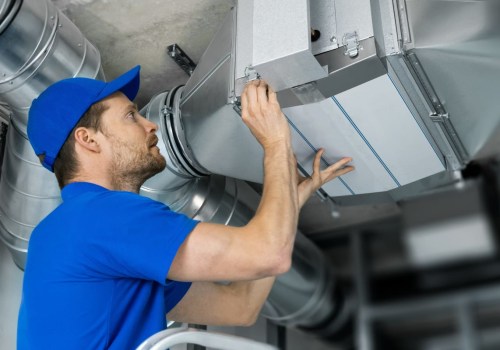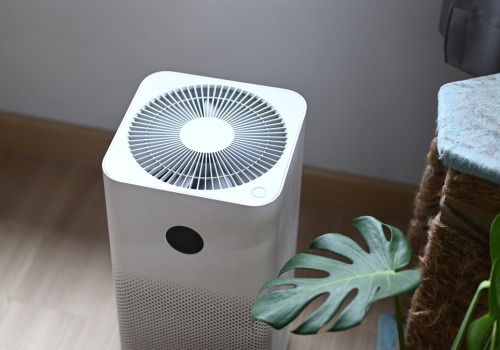
In the intricate world of HVAC systems, the air filter plays a pivotal role that often goes unnoticed until problems arise. This seemingly simple component is essential for maintaining not only the efficiency of your air conditioning system but also the quality of the air you breathe indoors. As air circulates through your AC unit, the air filter acts as a barrier, capturing dust, pollen, pet dander, and other airborne particles. By doing so, it prevents these contaminants from entering your home and ensures that the air circulating within is as clean as possible.However, the importance of the air filter extends beyond just trapping pollutants.
A clean and functional air filter is crucial for the overall performance of your AC system. When the filter becomes clogged with debris, it restricts airflow, forcing your system to work harder to maintain the desired temperature. This not only leads to increased energy consumption and higher utility bills but can also result in premature wear and tear on your HVAC equipment. In essence, neglecting to change your air filter regularly can set off a chain reaction of inefficiencies that ultimately compromise your system's longevity.Moreover, the implications of a dirty air filter are not limited to mechanical issues; they also extend to health concerns.
Poor indoor air quality can exacerbate allergies and respiratory conditions, making it vital for homeowners to understand the role of their air filters in maintaining a healthy living environment. Regularly changing your air filter is a straightforward yet impactful maintenance task that can significantly enhance both the performance of your AC system and the well-being of everyone in your home.
How Air Filters Work
Understanding how air filters work is essential for grasping their significance in maintaining a healthy indoor environment. At the core of any HVAC system, air filters serve a critical function: they purify the air that circulates throughout your home. As air is drawn into the system, it passes through the filter, which is designed to capture various airborne particles.Air filters are typically made from a combination of materials, including fiberglass, pleated paper, or synthetic fibers.These materials are engineered to trap dust, pollen, pet dander, mold spores, and even microscopic bacteria and viruses. The effectiveness of an air filter is often measured by its MERV (Minimum Efficiency Reporting Value) rating, which ranges from 1 to 16. A higher MERV rating indicates a greater ability to capture smaller particles.When air flows through the filter, larger particles are caught in the fibers, while smaller particles may be trapped in the filter's structure due to a combination of mechanical and electrostatic forces. This process not only helps improve indoor air quality but also protects the HVAC system itself from dust buildup that can lead to inefficiency and damage.Over time, as more particles accumulate on the filter, it becomes increasingly clogged. This restricts airflow and forces the system to work harder to circulate air throughout your home.
Consequently, this can lead to increased energy consumption and higher utility bills. Moreover, a clogged filter can cause the system's components to wear out more quickly due to the added strain.In addition to protecting your HVAC system, clean air filters play a vital role in safeguarding your health. Poor indoor air quality can exacerbate allergies and respiratory issues, particularly for vulnerable populations such as children and the elderly. By regularly changing your air filter, you ensure that your home remains a safe haven free from harmful pollutants.In summary, understanding the mechanics of how air filters function is crucial for recognizing their importance in both HVAC efficiency and indoor air quality.
Regular maintenance of these filters not only prolongs the life of your heating and cooling systems but also contributes significantly to a healthier living environment.
Consequences of Neglecting Air Filter Changes
Neglecting to change your air filter can lead to a cascade of negative consequences that affect both your air conditioning system and your health. Understanding these repercussions is essential for maintaining a comfortable and safe living environment.One of the most immediate effects of a dirty air filter is decreased efficiency. When the filter becomes clogged with dust, dirt, and other particles, it restricts airflow through the HVAC system. This restriction forces the air conditioning unit to work harder to circulate air, leading to:- Increased Energy Bills: As the system struggles to maintain the desired temperature, it consumes more energy, resulting in higher utility costs.
- Shortened Lifespan of Equipment: The added strain on the system can lead to premature wear and tear on components, ultimately shortening the lifespan of your AC unit.
For instance, when airflow is restricted, the evaporator coils may become excessively cold and freeze over. This not only disrupts cooling efficiency but can also lead to:
- System Failures: A frozen coil can cause the entire air conditioning system to shut down, requiring costly repairs or even complete replacement.
- Increased Repair Costs: Regular maintenance and timely filter changes are far less expensive than dealing with major repairs caused by neglect.
- Poor Indoor Air Quality: Dust, pet dander, mold spores, and other contaminants can accumulate in your living space, aggravating allergies and respiratory conditions.
- Health Complications: Prolonged exposure to poor air quality can result in chronic health issues such as asthma attacks, respiratory infections, and even cardiovascular problems.
By prioritizing this simple maintenance task, you can avoid unnecessary expenses and ensure a healthier living environment.
Signs That Your Air Filter Needs Changing
Recognizing when to change your air filter is essential for maintaining the efficiency of your air conditioning system and ensuring good indoor air quality. Here are some key indicators that suggest it’s time to replace your air filter:- Visible Dirt and Dust: One of the most straightforward signs that your air filter needs changing is visible dirt and dust accumulation on the filter itself. If you can see a layer of grime or if the filter appears discolored, it’s time for a replacement.
- Reduced Airflow: If you notice that the airflow from your vents has diminished, this could indicate that your air filter is clogged. A dirty filter restricts airflow, making it harder for your AC to circulate cool air throughout your home.
- Increased Energy Bills: A sudden spike in your energy bills can be a sign that your AC is working harder than usual due to a dirty air filter.
When airflow is restricted, the system has to work overtime, leading to higher energy consumption.
- Unpleasant Odors: If you detect musty or stale odors coming from your AC vents, it may be due to a dirty air filter. A clogged filter can trap moisture and contaminants, leading to unpleasant smells circulating in your home.
- Allergy Symptoms: If you or your family members start experiencing increased allergy symptoms such as sneezing, coughing, or itchy eyes, it could be a sign that the air filter is no longer effectively trapping allergens and pollutants.
- Frequent System Cycling: If your AC unit seems to be cycling on and off more frequently than usual, this could indicate that the system is struggling due to a dirty air filter. This not only affects comfort but can also lead to wear and tear on the system.
How Often Should You Change Your Air Filter?
Understanding the frequency at which you should change your air filter is essential for maintaining an efficient HVAC system.The lifespan of an air filter can vary significantly based on several factors, including the type of filter, the environment in which you live, and how often you use your air conditioning system.
Standard Filters
- For standard fiberglass filters, which typically have a MERV rating of 1-4, it is advisable to replace them every 30 days. These filters are less effective at trapping smaller particles and tend to clog quickly.
Medium Efficiency Filters
- Medium efficiency filters, with a MERV rating of 5-8, should be changed every 1 to 3 months. These filters provide better filtration than standard ones and can capture a wider range of particles.
High-Efficiency Filters
- If you are using high-efficiency filters with a MERV rating of 9-12, consider changing them every 6 months. These filters are designed to capture smaller particles and allergens, making them ideal for households with pets or allergy sufferers.
HEPA Filters
- HEPA (High-Efficiency Particulate Air) filters can last up to 12 months if maintained properly.
However, it’s crucial to check them regularly for any signs of clogging or damage.
Environmental Factors
The frequency of air filter changes can also be influenced by your living environment:
- If you live in an area with high levels of dust or pollen, you may need to change your filter more frequently—potentially every month.
- Homes with pets may require more frequent changes due to pet dander and hair.
- If anyone in your household suffers from allergies or respiratory issues, consider changing the filter every month to ensure optimal air quality.
Usage Patterns
Your usage patterns also play a significant role in determining how often to change your air filter:
- If you run your AC continuously during hot months, more frequent changes will be necessary compared to occasional use.
- During peak seasons, such as summer or winter, when HVAC systems are under more strain, it’s wise to check the filter monthly.
Choosing the Right Air Filter for Your AC System
When it comes to maintaining your air conditioning system, selecting the right air filter is crucial. With a variety of options available, understanding the different types of filters and their respective MERV ratings can help you make an informed decision that enhances both your AC's performance and your indoor air quality.Types of Air Filters
- Fiberglass Filters: These are the most basic type of air filters. They are inexpensive and designed to capture larger particles like dust and lint.
However, they have a low MERV rating (typically between 1-4), meaning they are not very effective at trapping smaller allergens.
- Pleated Filters: Made from polyester or cotton, pleated filters have a larger surface area, allowing them to capture more particles. They usually have a MERV rating between 5-13, making them a better choice for improving indoor air quality.
- HEPA Filters: High-Efficiency Particulate Air (HEPA) filters are designed to trap 99.97% of particles that are 0.3 microns or larger. These filters have a MERV rating of 17-20 and are ideal for individuals with allergies or respiratory issues.
- Electrostatic Filters: These filters use static electricity to attract and capture particles. They can be washable or disposable and typically have a MERV rating ranging from 8-12, providing a good balance between cost and efficiency.
MERV Ratings Explained
The Minimum Efficiency Reporting Value (MERV) is a scale that measures the effectiveness of air filters in capturing airborne particles.The higher the MERV rating, the more efficient the filter is at trapping smaller particles. Here’s a quick breakdown:
- MERV 1-4: Basic filtration; captures large particles but not effective against allergens.
- MERV 5-8: Better filtration; captures mold spores, pet dander, and dust mites.
- MERV 9-12: Good filtration; effective against smaller allergens like pollen and smoke.
- MERV 13-16: High-efficiency filtration; captures bacteria and some viruses.
- MERV 17-20: HEPA filtration; ideal for hospitals and environments requiring superior air quality.
Always consult your HVAC professional to find the best fit for your system.
DIY Tips for Changing Your Air Filter
Changing your air filter is a straightforward task that can significantly enhance the performance of your air conditioning system. By following these simple steps, you can ensure that your HVAC system runs efficiently and that the air in your home remains clean.- Gather Your Supplies: Before you begin, make sure you have everything you need. You will require:
- A new air filter (make sure it matches the size and type specified for your system)
- A vacuum cleaner or a damp cloth for cleaning
- A screwdriver (if necessary for accessing the filter compartment)
- Turn Off Your AC: Safety first! Always turn off your air conditioning unit before attempting to change the air filter. This prevents any potential damage to the system and ensures your safety while working.
- Locate the Air Filter: The air filter is typically found in one of three places:
- Near the return air duct
- Inside the blower compartment
- In a wall-mounted unit
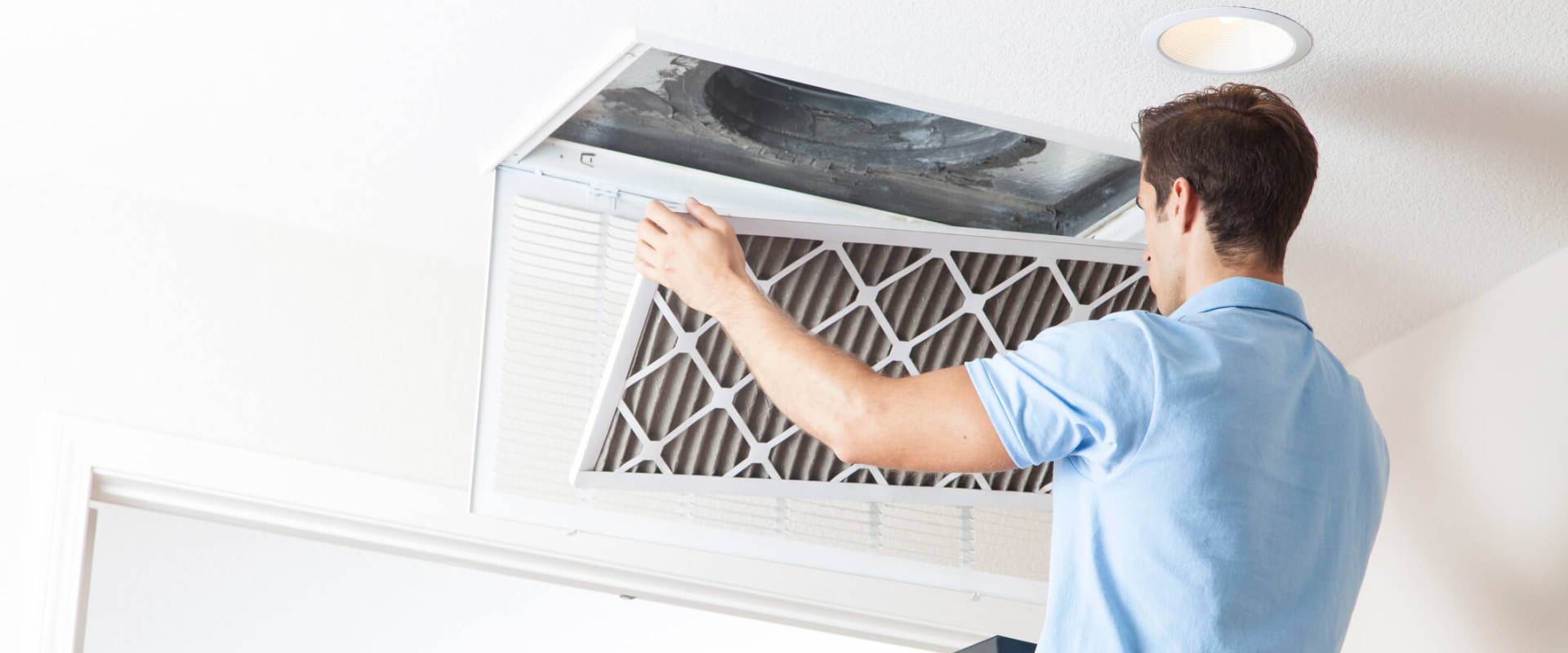
- Remove the Old Filter: Carefully slide out the old air filter from its slot.
Be cautious, as it may be covered in dust and debris. If it’s stuck, gently wiggle it free without applying too much force.
- Inspect and Clean: Take a moment to inspect the area around the filter slot. Use a vacuum cleaner or a damp cloth to remove any dust or dirt that has accumulated. This helps maintain good airflow and improves overall efficiency.
- Insert the New Filter: Take your new air filter and ensure it is oriented correctly.
Most filters have arrows indicating the direction of airflow; make sure these arrows point towards the blower motor. Slide the new filter into place securely.
- Turn Your AC Back On: Once the new filter is in place, turn your air conditioning unit back on. Check to ensure that everything is functioning properly and listen for any unusual noises.
The Impact of Clean Air Filters on Energy Efficiency and Cost Savings
Maintaining clean air filters is not just a matter of health; it significantly impacts the energy efficiency of your air conditioning system and can lead to substantial cost savings.When air filters are clogged with dust, dirt, and other particles, they restrict airflow, forcing your AC unit to work harder to circulate air throughout your home. This increased workload can lead to higher energy consumption and, consequently, elevated energy bills.
Energy Efficiency with Clean Filters
When you replace your air filter regularly, you allow your HVAC system to operate at its optimal efficiency. A clean filter enables unrestricted airflow, which means that the system doesn’t have to exert extra effort to push air through. According to the U.
S. Department of Energy, a clean filter can improve your system's efficiency by as much as 15% or more. This improvement translates into lower energy usage and a reduced carbon footprint.
Cost Savings from Changing Filters
Regularly changing your air filter can lead to significant cost savings over time. By ensuring that your AC operates efficiently, you can expect lower monthly utility bills.
For instance, if your energy bill is $150 per month, a 15% increase in efficiency could save you around $22.50 each month. Over a year, that adds up to approximately $270 in savings.Moreover, neglecting to change your air filter can lead to more severe issues that require costly repairs or even premature replacement of the entire HVAC system. A well-maintained system not only runs efficiently but also has a longer lifespan, which means you won’t have to invest in a new unit as frequently.
Impact on Energy Bills
The relationship between clean air filters and energy bills is direct and significant. As mentioned earlier, when filters are dirty, the system works harder, leading to increased energy consumption.
This not only raises your monthly bills but can also result in unexpected costs due to repairs or replacements caused by overworking the system.In summary, maintaining clean air filters is essential for maximizing energy efficiency and achieving cost savings. By committing to regular filter changes, you not only enhance the performance of your AC but also protect your wallet from unnecessary expenses.
Health Benefits of Maintaining Clean Air Filters
Maintaining clean air filters is not just a matter of keeping your HVAC system running efficiently; it has significant implications for your health and well-being. The air we breathe indoors can be more polluted than outdoor air, and the quality of that air is heavily influenced by the condition of your air filters. Here are some key health benefits associated with regularly changing your air filters:- Improved Indoor Air Quality: Clean air filters effectively trap dust, pollen, pet dander, and other airborne particles.
When these filters are clogged, they allow contaminants to circulate freely in your home. By replacing them regularly, you ensure that the air you breathe is cleaner and healthier.
- Reduction of Allergens: For individuals with allergies or asthma, maintaining clean air filters can significantly reduce symptoms. Filters that are regularly changed can capture allergens such as mold spores and dust mites, which can trigger respiratory issues. This is particularly important during allergy seasons when pollen counts are high.
- Enhanced Respiratory Health: Poor indoor air quality can lead to a range of respiratory problems, including chronic coughs, wheezing, and even long-term conditions like chronic obstructive pulmonary disease (COPD).
By ensuring that your air filters are clean, you minimize the risk of these health issues.
- Prevention of Illness: Contaminants in the air can contribute to the spread of illnesses. Viruses and bacteria can thrive in unfiltered air. Regularly changing your air filter helps reduce the presence of these pathogens, creating a healthier living environment.
- Better Sleep Quality: Clean air contributes to better sleep. Poor indoor air quality can lead to discomfort during the night, causing sleep disturbances.
By maintaining clean filters, you promote a more restful sleeping environment.
<strong>Conclusion</strong>
In summary, the significance of regularly changing your air filter cannot be overstated.This simple yet essential maintenance task plays a pivotal role in ensuring the efficiency and longevity of your air conditioning system. By keeping your air filter clean and free from debris, you not only enhance the performance of your AC unit but also contribute to a healthier indoor environment.When you neglect to change your air filter, you risk a cascade of issues that can affect both your HVAC system and your well-being. A clogged filter restricts airflow, leading to increased energy consumption and higher utility bills. Moreover, it places undue stress on the components of your AC system, which can result in costly repairs or even complete system failure.Furthermore, the implications of a dirty air filter extend beyond just mechanical problems.
Poor air quality can lead to a range of health issues, particularly for vulnerable populations such as children, the elderly, and those with pre-existing respiratory conditions. By allowing dust, allergens, and pollutants to circulate freely in your home, you may inadvertently contribute to chronic health problems.To maintain optimal performance and safeguard your health, it is advisable to establish a routine for changing your air filter. Depending on the type of filter you use and the specific conditions in your home—such as pet ownership or high levels of dust—you may need to change it more frequently than the standard recommendations suggest.In conclusion, prioritizing the regular replacement of your air filter is an investment in both your HVAC system's efficiency and your family's health. By taking this proactive step, you ensure that your air conditioning unit operates smoothly while providing clean and safe air for you and your loved ones.
Don't overlook this vital aspect of home maintenance; make it a habit to check and change your air filter regularly.