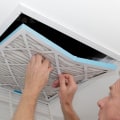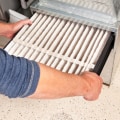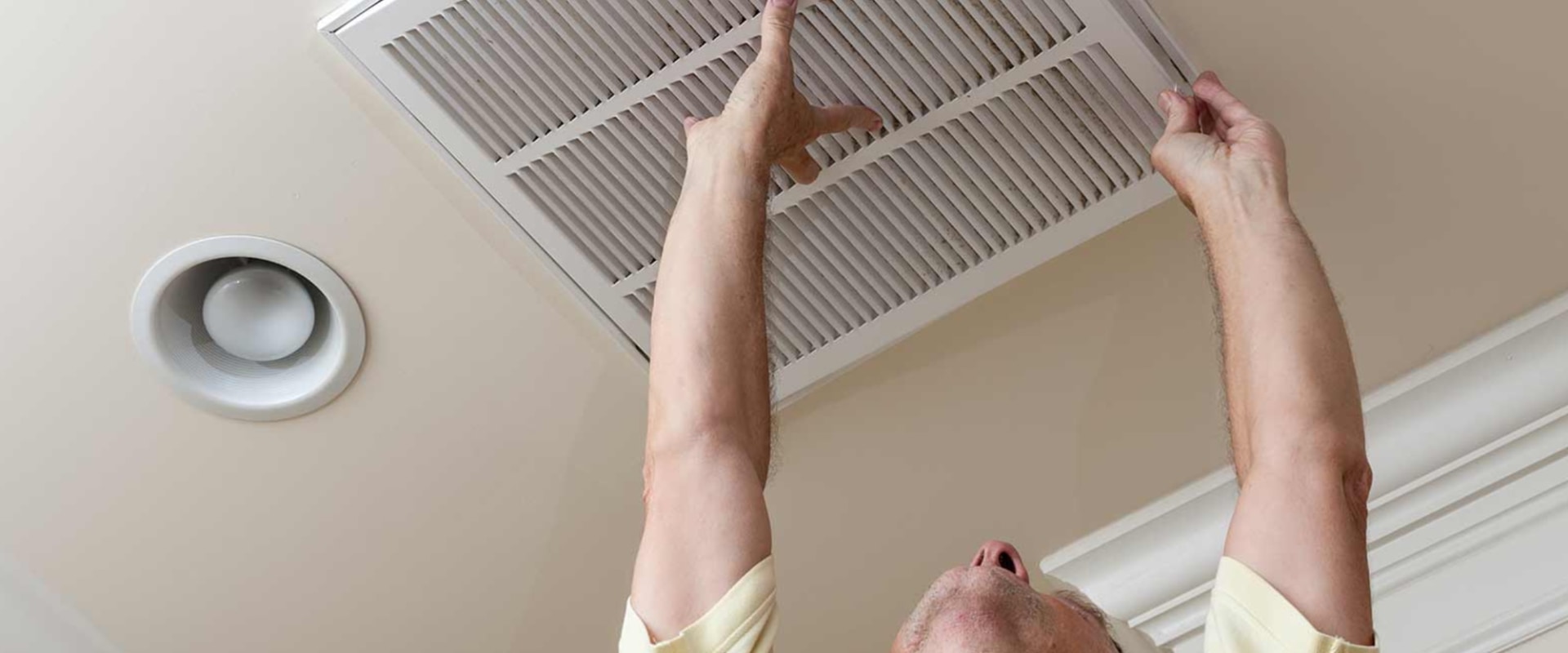
In the realm of home comfort, HVAC filters play a pivotal role that often goes unnoticed. These filters are essential components of heating, ventilation, and air conditioning systems, designed to trap dust, allergens, and other airborne particles. By doing so, they not only protect the HVAC system from damage but also significantly enhance the quality of indoor air. Understanding the various types of HVAC filters and their importance is crucial for homeowners who wish to maintain a healthy living environment.There are several types of HVAC filters available on the market, each with its unique features and benefits.
The most common types include HEPA filters , which are renowned for their ability to capture microscopic particles; pleated filters , which offer a larger surface area for trapping contaminants; and spun glass filters , known for their affordability and basic filtration capabilities. Each type serves a specific purpose, making it essential to choose one that aligns with your household's needs, especially if you have family members with allergies or respiratory issues.The importance of selecting the right air filter cannot be overstated. A high-quality filter not only improves indoor air quality but also enhances the efficiency of your HVAC system. When filters are clogged or ineffective, they force the system to work harder, leading to increased energy consumption and higher utility bills.
Moreover, regular maintenance and timely replacement of these filters can extend the lifespan of your HVAC system, saving you money on costly repairs in the long run. In essence, investing in the right HVAC filter is an investment in both your health and your home’s efficiency.
Types of HVAC Filters
When it comes to maintaining a clean and healthy indoor environment, understanding the different types of air filters available for HVAC systems is essential. Each type of filter has its own unique characteristics, effectiveness, and ideal applications. Below, we explore the most common types of HVAC filters to help you make an informed decision.HEPA Filters
High-Efficiency Particulate Air (HEPA)
filters are renowned for their superior filtration capabilities.
These filters can capture at least 99.97% of particles that are 0.3 microns in size, including dust, pollen, pet dander, and even some bacteria and viruses. Made from a dense mat of fine glass fibers, HEPA filters are particularly beneficial for individuals with allergies or respiratory issues. While they may have a higher upfront cost compared to other filter types, their long-term benefits in improving indoor air quality make them a worthwhile investment.
Pleated Filters
Pleated air filters
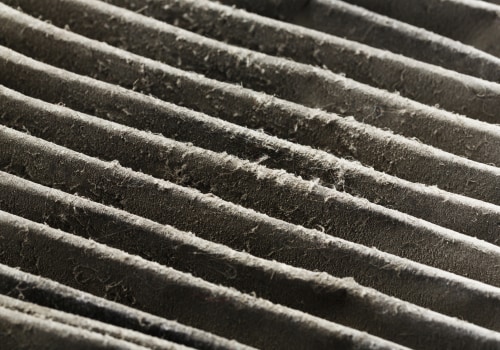
are another popular choice among homeowners. These filters feature folds that increase their surface area, allowing them to trap more particles than standard flat filters.
Typically made from synthetic materials or cotton, pleated filters come in various MERV ratings, which indicate their efficiency in capturing airborne contaminants. They strike a balance between cost and performance, making them suitable for general household use.
Washable Filters
Washable air filters
offer an eco-friendly alternative to disposable options. These filters can be cleaned and reused multiple times, reducing waste and long-term costs. However, they require regular maintenance to ensure optimal performance.
While they can effectively capture larger particles, they may not be as efficient as HEPA or pleated filters in trapping smaller allergens and pollutants.
Fiberglass Filters
Fiberglass filters
, often referred to as spun glass filters, are the most economical option available. They consist of layered fiberglass strands that capture larger particles like dust and lint but are less effective against smaller allergens. While these filters are inexpensive and disposable, they typically have lower MERV ratings (usually between 1 and 4), making them less suitable for homes with allergy sufferers or pets.In summary, selecting the right type of air filter for your HVAC system depends on your specific needs and circumstances. Whether you prioritize high filtration efficiency with HEPA filters or seek a cost-effective solution with fiberglass options, understanding the differences will help you maintain a healthier indoor environment.
MERV Ratings Explained
The Minimum Efficiency Reporting Value, or MERV, is a crucial metric used to evaluate the effectiveness of air filters.Developed by the American Society of Heating, Refrigerating and Air-Conditioning Engineers (ASHRAE), the MERV rating system provides a standardized way to measure how well an air filter can capture particles of varying sizes. Understanding MERV ratings is essential for selecting the right air filter for your HVAC system, as it directly impacts indoor air quality.MERV ratings range from 1 to 20, with higher numbers indicating a greater ability to trap smaller particles. Here’s a breakdown of the MERV rating scale:
- MERV 1-4: These filters are typically used in residential settings and can capture large particles such as dust and pollen. However, they are not effective against smaller allergens.
- MERV 5-8: Filters in this range can capture smaller particles, including mold spores and pet dander.
They are suitable for homes with pets or individuals with mild allergies.
- MERV 9-12: These filters are more efficient at trapping finer particles and are often recommended for households with allergy sufferers. They can capture smoke and smog particles as well.
- MERV 13-16: Filters rated in this range are considered high-efficiency and can trap very small particles, including bacteria and some viruses. They are ideal for homes with severe allergies or respiratory issues.
- MERV 17-20: These filters, such as HEPA filters, provide the highest level of filtration available. They are commonly used in hospitals and clean rooms where air quality is critical.
- Indoor Air Quality Needs: Assess your household's specific needs.
If anyone suffers from allergies or respiratory conditions, opting for a filter with a higher MERV rating may be beneficial.
- HVAC System Compatibility: Ensure that your HVAC system can handle higher MERV-rated filters. Some systems may require modifications to accommodate more efficient filters without compromising airflow.
- Filter Maintenance: Higher MERV filters may need to be replaced more frequently due to their increased particle capture capabilities. Regular maintenance is essential to ensure optimal performance.
Choosing the Right Size Filter
When it comes to maintaining a healthy indoor environment, selecting the correct size for your air filter is crucial.An improperly sized filter can lead to a host of issues, including reduced efficiency of your HVAC system and compromised air quality. Here’s how to ensure you choose the right size filter for your needs.
How to Measure Air Filter Size
Measuring your air filter is a straightforward process. Follow these steps:- Turn off your HVAC system: Before you begin, ensure that your heating or cooling system is turned off to avoid any accidents.
- Locate the filter: Find where the air filter is housed in your HVAC system. This is typically near the air handler or furnace.
- Remove the filter: Carefully slide out the existing filter from its slot.
- Measure dimensions: Use a tape measure to determine the length, width, and thickness of the filter.
Most filters will have dimensions printed on their frame, but it’s always good to double-check.
The Importance of Filter Size
The size of your air filter directly impacts its performance. A filter that is too small will allow unfiltered air to bypass it, leading to dust and allergens circulating in your home. Conversely, a filter that is too large may not fit properly, causing gaps that can also compromise filtration efficiency. Properly sized filters help:- Enhance airflow: Ensuring that air flows freely through the system helps maintain optimal performance.
- Improve energy efficiency: A well-fitted filter reduces strain on your HVAC system, which can lower energy bills.
- Extend equipment lifespan: By preventing dust and debris buildup, correctly sized filters can prolong the life of your HVAC components.
Common Air Filter Sizes
Air filters come in various sizes to accommodate different HVAC systems.Some of the most common sizes include:
- 16 x 20 x 1 inches
- 20 x 20 x 1 inches
- 16 x 25 x 1 inches
- 20 x 25 x 1 inches
- 14 x 20 x 1 inches
The Benefits of High-Quality Filters
Investing in high-quality air filters, such as HEPA and pleated options, can significantly enhance the air quality in your home while also protecting your HVAC system. Understanding the benefits of these filters is essential for making an informed decision that promotes a healthier living environment.Health Benefits of HEPA Filters
HEPA filters, or High-Efficiency Particulate Air filters, are renowned for their ability to capture a vast array of airborne particles. These filters can trap up to 99.97% of particles that are 0.3 microns in size, including:- Pollen
- Dust mites
- Mold spores
- Pet dander
- Bacteria and viruses
By reducing the concentration of these irritants in the air, HEPA filters can lead to fewer allergy attacks and improved overall health.
Advantages of Pleated Filters
Pleated air filters offer another excellent option for enhancing indoor air quality. Their design features folds that increase the surface area available for capturing particles, which allows them to:- Trap more dust and allergens compared to standard flat filters.
- Last longer between replacements due to their increased capacity.
- Improve airflow within the HVAC system, leading to better energy efficiency.
Protecting Your HVAC System
High-quality air filters not only benefit your health but also play a crucial role in maintaining the efficiency and longevity of your HVAC system. By effectively trapping dirt and debris, these filters help prevent buildup on critical components such as:- Coils
- Blowers
- Ductwork
Washable vs.
Disposable FiltersWhen it comes to selecting the right air filter for your HVAC system, one of the most significant decisions you'll face is whether to choose a washable or disposable filter. Each type has its own set of advantages and disadvantages, which can impact both your indoor air quality and your maintenance routine.
Pros and Cons of Washable Air Filters
Washable air filters are designed to be reused after cleaning, making them an environmentally friendly option. Here are some of their key benefits:- Cost-Effective Over Time: Although the initial purchase price may be higher than disposable filters, washable filters can save you money in the long run since they do not need to be replaced frequently.
- Eco-Friendly: By reducing waste, washable filters contribute to a more sustainable lifestyle.
- Customizable Maintenance: You can clean them according to your schedule, allowing for flexibility based on your household's needs.
- Maintenance Required: Washable filters require regular cleaning and maintenance. If neglected, they can become less effective at trapping particles.
- Potential for Mold Growth: If not dried properly after washing, these filters can harbor mold and bacteria, which can negatively impact indoor air quality.
Benefits of Disposable Air Filters
Disposable air filters are designed for one-time use and are typically made from materials that capture dust and allergens effectively.Here are some advantages:
- Convenience: Simply replace the filter when it becomes dirty—no cleaning required. This makes them ideal for busy households.
- Consistent Performance: Disposable filters maintain their efficiency throughout their lifespan, ensuring optimal air quality until it's time for a replacement.
- No Risk of Mold: Since they are discarded after use, there is no risk of mold or bacteria growth associated with improper cleaning.
- Ongoing Costs: While they may be cheaper upfront, the cost of regularly replacing disposable filters can add up over time.
- Environmental Impact: Frequent disposal contributes to landfill waste, which is a concern for environmentally conscious consumers.
Cost Comparison of Air Filters
The cost of air filters varies widely based on type and brand. Washable filters generally range from $30 to $100, while disposable filters can cost anywhere from $5 to $30 each. When considering long-term expenses, it's essential to factor in how often you will need to replace or clean each type.For instance, if you replace a disposable filter every three months, that could amount to $20-$120 annually depending on the filter's price point.Your choice between washable and disposable air filters should ultimately align with your maintenance preferences and budget considerations. By weighing the pros and cons of each type, you can make an informed decision that best suits your household's needs.
Maintaining Your Air Filter for Optimal Performance
To ensure that your air filter operates at peak efficiency, regular maintenance is essential. Proper care not only extends the lifespan of the filter but also enhances the overall air quality in your home. Here are some practical tips for maintaining your air filters:Cleaning Your Air Filters
If you have a washable air filter, cleaning it regularly is crucial.Follow these steps for effective cleaning:
- Turn Off Your HVAC System: Before you begin, ensure that your heating or cooling system is turned off to prevent any accidents.
- Remove the Filter: Carefully take out the filter from its housing. Be cautious not to damage any components during removal.
- Wash the Filter: Rinse the filter under lukewarm water to remove dust and debris. For stubborn dirt, use a mild detergent and a soft brush to gently scrub the surface.
- Dry Completely: Allow the filter to dry completely before reinserting it into your HVAC system. This step is vital to prevent mold growth.
When to Replace Air Filters
For disposable air filters, knowing when to replace them is key to maintaining optimal performance.Here are some guidelines:
- Check Monthly: Inspect your filters at least once a month, especially during peak usage seasons (summer and winter). Look for visible dirt and discoloration.
- Replace Every 1-3 Months: Most standard filters should be replaced every 1 to 3 months. However, if you have pets or allergies, consider replacing them more frequently.
- Follow Manufacturer Recommendations: Always refer to the manufacturer’s guidelines for specific replacement intervals based on your filter type.
Common Myths About Air Filters Debunked
When it comes to air filters, there are numerous myths and misconceptions that can lead homeowners to make poor choices regarding their HVAC systems.Understanding the truth behind these myths is essential for maintaining a healthy indoor environment.
Myth 1: All Air Filters Are the Same
One of the most prevalent misconceptions is that all air filters perform equally. In reality, air filters vary significantly in terms of efficiency, material, and design. For instance, HEPA filters are designed to capture 99.97% of particles that are 0.3 microns or larger, while standard fiberglass filters may only trap larger particles. Choosing the right filter based on your specific needs is crucial for optimal air quality.
Myth 2: Higher MERV Ratings Are Always Better
While it’s true that a higher MERV (Minimum Efficiency Reporting Value) rating indicates better filtration, it doesn’t mean that a high MERV filter is always the best choice for every system.
Filters with very high MERV ratings can restrict airflow in some HVAC systems, leading to decreased efficiency and potential damage. It’s important to consult your HVAC manufacturer’s guidelines to find the right balance between filtration and airflow.
Myth 3: Washable Filters Are Maintenance-Free
Many homeowners believe that washable filters are a hassle-free solution. However, these filters require regular cleaning and maintenance to remain effective. If not cleaned properly, they can harbor mold and bacteria, negating their intended benefits.
Disposable filters, while requiring replacement, often provide more reliable performance without the need for frequent upkeep.
Myth 4: Air Filters Only Need to Be Changed Once a Year
This myth can lead to significant indoor air quality issues. Depending on factors such as usage, type of filter, and environmental conditions, air filters should typically be checked monthly and replaced every 1-3 months. Regular replacement ensures that your HVAC system operates efficiently and maintains clean air.
Myth 5: Air Filters Are Only Important During Allergy Season
While many people pay extra attention to their air filters during allergy season, maintaining clean air year-round is essential for overall health. Dust, pet dander, and other pollutants can accumulate at any time of year, making regular filter maintenance crucial for everyone in the household.By debunking these common myths about air filters, homeowners can make informed decisions that enhance their indoor air quality and protect their HVAC systems.
Understanding the facts about air filtration not only leads to better choices but also contributes to a healthier living environment.
FAQs About HVAC Filters
When it comes to maintaining a healthy indoor environment, understanding HVAC filters is crucial. Here are some frequently asked questions that can help clarify common concerns and troubleshoot issues effectively.What is the purpose of an HVAC filter?
The primary function of an HVAC filter is to trap dust, allergens, and other airborne particles, preventing them from circulating throughout your home. This not only protects your HVAC system from damage but also improves indoor air quality, making it essential for those with allergies or respiratory issues.How often should I replace my air filter?
The frequency of air filter replacement depends on several factors, including the type of filter you use, the level of pollutants in your home, and your HVAC system's usage. Generally, it is recommended to check your filter every month and replace it every 1 to 3 months.However, if you have pets or live in a dusty area, you may need to change it more frequently.
What happens if I don’t change my air filter?
Neglecting to change your air filter can lead to several issues:- Reduced Efficiency: A clogged filter restricts airflow, causing your HVAC system to work harder and consume more energy.
- Poor Air Quality: An old filter can release trapped pollutants back into the air, worsening indoor air quality.
- System Damage: Over time, a dirty filter can cause strain on your HVAC system, potentially leading to costly repairs or premature failure.
Can I use a washable air filter?
While washable filters are an environmentally friendly option, they may not be as effective as disposable filters in capturing smaller particles. If you choose to use a washable filter, ensure that you clean it regularly according to the manufacturer's instructions to maintain its efficiency.What is MERV rating and why is it important?
The Minimum Efficiency Reporting Value (MERV) rating measures a filter's ability to capture particles of different sizes. Filters with higher MERV ratings (between 1 and 20) are more effective at trapping smaller particles. For optimal indoor air quality, consider using filters with a MERV rating of 8 or higher.How do I know if my air filter is working properly?
A few signs that indicate your air filter may need replacement include:- Visible Dirt: If you can see dust or debris on the filter surface, it's time for a change.
- Increased Energy Bills: A sudden spike in energy costs may indicate that your HVAC system is working harder due to a clogged filter.
- Poor Airflow: If you notice reduced airflow from vents, this could be a sign that the filter is obstructed.
Conclusion: Making an Informed Choice for Clean Air
In conclusion, selecting the right air filter for your HVAC system is not merely a matter of preference; it is a crucial decision that impacts both your health and the efficiency of your heating and cooling systems.Throughout this guide, we have explored various types of filters, their effectiveness, and how they contribute to maintaining clean indoor air quality.Understanding the different filter types —from HEPA to spun glass—allows you to make an informed choice based on your specific needs. For instance, if you or a family member suffers from allergies or respiratory issues, investing in a high-efficiency filter with a higher MERV rating can significantly improve your indoor air quality. On the other hand, if budget constraints are a concern, spun glass filters may provide a more economical solution while still offering basic protection against larger particles.Moreover, the importance of proper sizing cannot be overstated. An ill-fitting filter can lead to reduced efficiency and increased wear on your HVAC system.
Therefore, always ensure that you consult with a professional to determine the correct size for your unit.Regular maintenance is another key factor in ensuring that your air filter performs optimally. Checking and replacing your filter at recommended intervals will not only enhance air quality but also prolong the lifespan of your HVAC system. Remember that even minor issues like moisture can lead to mold growth within the filter, which can compromise the air you breathe.As you consider your options, take into account the long-term benefits of investing in a quality air filter. While the initial cost may be higher for advanced filters like HEPA, the return on investment in terms of health benefits and energy savings can be substantial.Ultimately, making an informed choice about your air filter is essential for achieving a clean and healthy living environment.
Take action today by evaluating your current filter situation and exploring options that best suit your needs. Your health and comfort depend on it!.