In the realm of HVAC systems, the air filter serves as a critical component that often goes unnoticed until problems arise. These filters are designed to trap dust, pollen, pet dander, and other airborne particles, ensuring that the air circulating through your home is clean and healthy. By performing this essential function, air filters not only enhance indoor air quality but also play a significant role in the overall efficiency of your heating and cooling systems.When an air filter becomes clogged with debris, it can severely hinder the performance of your HVAC system. A dirty filter restricts airflow, forcing the system to work harder to maintain the desired temperature.
This increased strain can lead to higher energy consumption and ultimately result in costly repairs or premature system failure. Therefore, understanding the importance of maintaining a clean air filter is vital for homeowners who wish to optimize their HVAC systems' performance and longevity.Moreover, the impact of air filters extends beyond just energy efficiency; they are also crucial for maintaining a healthy living environment. Poor air quality can exacerbate respiratory issues and allergies, making it essential to regularly check and replace your air filters. By doing so, you not only improve the comfort of your home but also contribute to a healthier lifestyle for you and your family.In summary, the role of air filters in HVAC systems cannot be overstated.
They are integral to ensuring efficient operation while safeguarding your home's air quality. As we delve deeper into this topic, we will explore how often these filters should be changed, the different types available, and the long-term benefits of regular maintenance.
How Dirty Air Filters Affect AC Performance
When it comes to maintaining your air conditioning system, one of the most critical components to monitor is the air filter. A dirty air filter can significantly hinder the performance of your AC unit, leading to a cascade of issues that can affect both comfort and efficiency.One of the primary ways a dirty air filter impacts AC performance is through airflow restriction. The air filter's main job is to trap dust, dirt, and other particles from entering your HVAC system.However, as these particles accumulate, they create a barrier that restricts airflow. This restriction forces your air conditioning unit to work harder to pull in air, which can lead to:
- Increased Energy Consumption: When your AC struggles to draw in sufficient air due to a clogged filter, it consumes more energy. According to the U. S.
Department of Energy, this can lead to an increase in energy bills by as much as 15%. Over time, these extra costs can add up significantly.
- Reduced Cooling Efficiency: A restricted airflow means that your AC cannot effectively cool your home. You may notice that certain rooms are warmer than others or that the system takes longer to reach the desired temperature.
- Increased Wear and Tear: The additional strain on your AC unit can lead to premature wear and tear on its components. This not only shortens the lifespan of your system but also increases the likelihood of costly repairs.
- Frozen Coils: When airflow is restricted, the evaporator coils can become too cold and freeze.
This not only stops your AC from cooling effectively but can also cause damage that requires professional repair.
- Poor Indoor Air Quality: A clogged filter fails to trap allergens and pollutants effectively, leading to poor indoor air quality. This can exacerbate health issues such as asthma and allergies.
Signs That Your Air Filter Needs Changing
Recognizing when your air filter needs changing is essential for maintaining optimal air conditioning performance and ensuring a healthy indoor environment. Here are some common signs that indicate it’s time to replace your air filter:- Warm Air from Your AC: One of the most noticeable signs of a dirty air filter is when your air conditioning unit starts blowing warm air instead of cool.
This occurs because a clogged filter restricts airflow, preventing the system from cooling the air effectively. If you experience this issue, check your filter immediately.
- Increased Energy Bills: If you notice a sudden spike in your energy bills, it could be due to a dirty air filter. When the filter is clogged, your AC has to work harder to maintain the desired temperature, leading to increased energy consumption. Regularly changing your air filter can help keep your energy costs in check.
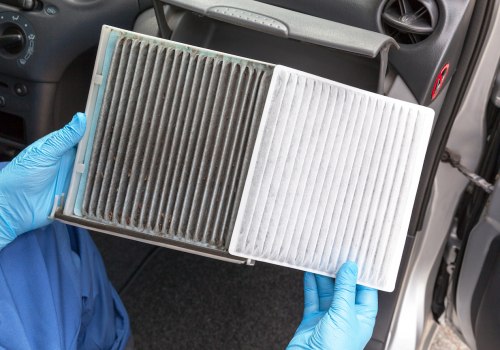
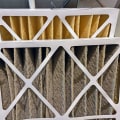
- Visible Dust and Debris: A quick visual inspection of your air filter can reveal its condition.
If you see a significant buildup of dust, dirt, or other particles on the filter, it’s time for a replacement. A clean filter should appear relatively free of debris.
- Frequent System Cycling: If your AC unit is cycling on and off more frequently than usual, it may be struggling due to a dirty air filter. This constant cycling can lead to wear and tear on the system, potentially resulting in costly repairs down the line.
- Allergy Symptoms: A dirty air filter can exacerbate allergy symptoms by allowing dust, pollen, and other allergens to circulate in your home. If you or your family members are experiencing increased allergy symptoms, it may be time to check and replace the air filter.
- Mold Growth: If you notice mold or mildew around your vents or on the filter itself, this is a clear indication that the filter needs changing.
Mold thrives in damp environments, and a dirty filter can trap moisture, creating an ideal breeding ground for mold spores.
Recommended Frequency for Changing Air Filters
Understanding how often to change your air filter is essential for maintaining optimal performance of your HVAC system. While many homeowners may assume that a standard schedule applies universally, the reality is that several factors can influence the lifespan of your air filter.General Guidelines for Filter Replacement
As a general rule of thumb, it is advisable to check your air filter every month. Depending on its condition, you can then decide whether to replace it.Here are some common recommendations:
- Standard Fiberglass Filters: These should typically be replaced every 30 days.
- Pleated Filters: These can last anywhere from 1 to 3 months, depending on usage and environmental factors.
- High-Efficiency Filters: Some high-efficiency filters can last up to 6 months or longer, but regular inspection is still necessary.
Factors Affecting Filter Lifespan
Several factors can significantly impact how often you need to change your air filter:- Home Size: Larger homes with more square footage may require more frequent filter changes due to increased air circulation and dust accumulation.
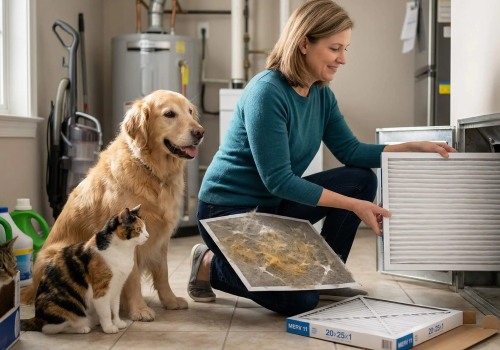
- Pet Ownership: If you have pets, their dander and hair can clog filters quickly. In such cases, consider changing your filter every 20 to 30 days.
- Allergies and Health Concerns: Households with allergy sufferers may benefit from more frequent changes to improve indoor air quality.
- Environmental Conditions: Living in a dusty area or near construction sites can lead to faster filter clogging. In these situations, monthly changes may be necessary.
- HVAC System Usage: If you run your AC frequently or have a heating and cooling system that operates year-round, expect to change your filters more often.
The Health Benefits of Clean Air Filters
Maintaining clean air filters is not just a matter of keeping your HVAC system running efficiently; it has significant implications for your health and well-being.The quality of the air you breathe indoors can greatly affect your respiratory health, particularly for individuals with pre-existing conditions such as asthma or allergies .Indoor air quality (IAQ) is often compromised by pollutants such as dust, pet dander, mold spores, and pollen. These particles can accumulate in your air filter over time, leading to a decrease in air quality. When the air filter is clogged, these contaminants can circulate throughout your home, exacerbating respiratory issues and triggering allergic reactions.
Impact on Allergies
For those who suffer from allergies, a dirty air filter can be particularly problematic. Allergens like dust mites and pet dander can become trapped in the filter, but once it becomes saturated, these particles can escape back into the air.This can lead to increased sneezing, coughing, and other allergy symptoms. Regularly changing your air filter helps to minimize these allergens, providing a cleaner environment for you and your family.
Asthma Management
Individuals with asthma are especially vulnerable to poor indoor air quality. According to the Environmental Protection Agency (EPA), indoor air pollution can trigger asthma attacks and worsen symptoms. By ensuring that your air filter is clean, you reduce the likelihood of airborne irritants that can provoke an asthma episode.Clean filters help maintain a stable environment that supports better lung function.
Overall Health Benefits
Beyond allergies and asthma, maintaining clean air filters contributes to overall health. Poor indoor air quality has been linked to various health issues, including headaches, fatigue, and even long-term cardiovascular problems. By regularly replacing your air filter, you not only improve the air quality but also promote a healthier living space.In summary, the health benefits of clean air filters extend far beyond just comfort; they play a crucial role in maintaining good indoor air quality. By prioritizing regular filter changes, you are taking an essential step towards safeguarding your health and enhancing your quality of life.Environmental Impact of Regular Air Filter Changes
Regularly changing your air filter is not just a matter of maintaining comfort in your home; it also plays a significant role in promoting environmental sustainability.By ensuring that your HVAC system operates efficiently, you can contribute to a healthier planet.
Energy Efficiency
is one of the most immediate benefits of keeping your air filter clean. A clogged filter forces your air conditioning unit to work harder to circulate air, which in turn increases energy consumption. Department of Energy, replacing a dirty filter can lead to energy savings of 5 to 15 percent. This reduction in energy use not only lowers your utility bills but also decreases the demand for electricity, which is often generated from fossil fuels that contribute to greenhouse gas emissions.Moreover, when your HVAC system runs efficiently, it reduces the overall wear and tear on the unit.
This longevity means fewer replacements and repairs, which can be resource-intensive processes that also have environmental impacts. By extending the life of your air conditioning system through regular maintenance, including timely air filter changes, you are indirectly reducing waste and conserving resources.
Carbon Footprint Reduction
is another critical aspect of changing your air filter regularly. The less energy your HVAC system consumes, the lower your carbon footprint will be. This is particularly important in today’s climate crisis, where every small action counts towards mitigating environmental damage.
By committing to regular air filter changes, you are taking a proactive step in reducing your household's overall carbon emissions.Additionally, clean air filters improve indoor air quality by trapping dust, allergens, and other pollutants. This not only benefits your health but also contributes to a cleaner environment outside your home. When less dust and particulate matter are recirculated into the atmosphere, it helps maintain better air quality in your community.In summary, the environmental benefits of regularly changing your air filter extend beyond just energy savings. By enhancing energy efficiency and reducing carbon footprints, you are making a meaningful contribution to sustainability efforts while also enjoying a more comfortable living space.
DIY Guide: How to Change Your Air Filter
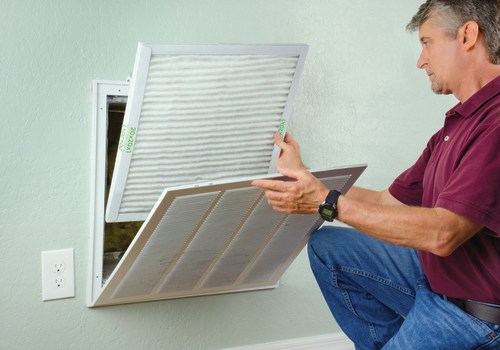
Changing your air filter is a straightforward task that can significantly enhance the performance of your HVAC system.By following this step-by-step guide , you can easily replace your air filter and ensure that your home remains comfortable and energy-efficient.
What You Will Need
- New air filter: Make sure to purchase the correct size and type for your system.
- Screwdriver: Depending on your HVAC unit, you may need a screwdriver to access the filter compartment.
- Vacuum cleaner: This can help remove any dust or debris from the area around the filter.
- Protective gloves: Optional, but recommended if you are sensitive to dust.
Step-by-Step Instructions
- Turn Off Your HVAC System: Before starting, ensure that your air conditioning system is completely turned off. This prevents any potential damage or injury while you work.
- Locate the Air Filter: The air filter is typically found in the return air duct or near the blower compartment. Consult your HVAC manual if you're unsure where to find it.
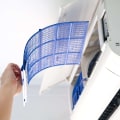
- Remove the Old Filter: Carefully slide out the old air filter. Take note of how it is positioned, as you will need to install the new one in the same orientation.
If it’s particularly dirty, consider using a vacuum cleaner to clean the surrounding area.
- Inspect the Filter Slot: Check for any dust buildup or debris in the slot where the filter sits. Clean this area gently with a vacuum if necessary.
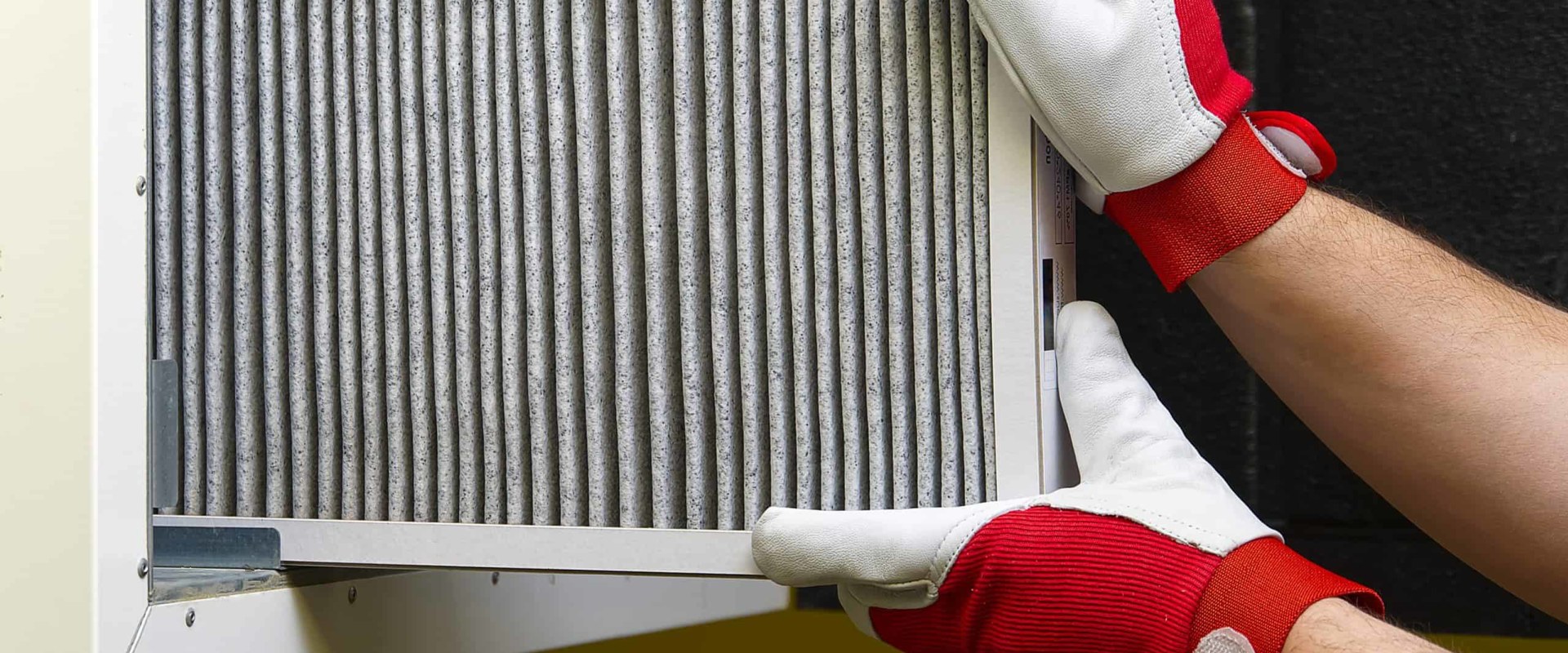
- Insert the New Filter: Take your new air filter and slide it into place, ensuring that it fits snugly and is oriented correctly according to the airflow direction indicated on the filter frame.
- Turn Your HVAC System Back On: Once everything is securely in place, turn your system back on and check for proper airflow. You should notice an immediate improvement in air quality and efficiency.
Common Myths About Air Filters Debunked
When it comes to maintaining your HVAC system, there are numerous myths surrounding air filters that can lead to confusion and improper care.Understanding the truth behind these misconceptions is essential for ensuring optimal performance and longevity of your air conditioning unit.
- Myth 1: All air filters are the same. Many homeowners believe that any air filter will do the job, but this is far from the truth. Air filters come in various types, including HEPA, pleated, and fiberglass, each designed for specific purposes. Choosing the right filter for your system is crucial for effective filtration and airflow.
- Myth 2: You only need to change your air filter once a year. This is a common misconception that can lead to significant issues. Depending on factors such as the type of filter, the size of your home, and whether you have pets, you may need to change your filter every month or every few months.
Regular checks are essential to maintain efficiency.
- Myth 3: A dirty air filter is just an inconvenience. While it may seem like a minor issue, neglecting to change a dirty air filter can lead to serious consequences. A clogged filter restricts airflow, causing your AC unit to work harder, which can result in increased energy bills and potential breakdowns.
- Myth 4: Higher MERV ratings mean better filters. While a higher Minimum Efficiency Reporting Value (MERV) rating indicates better filtration capabilities, it doesn't always mean it's suitable for your system. Filters with very high MERV ratings can restrict airflow in some HVAC systems, leading to inefficiency and strain on the unit.
- Myth 5: You don’t need to worry about air quality if you have an HVAC system. Many people assume that their HVAC system alone ensures good indoor air quality. However, without regular maintenance and filter changes, pollutants can accumulate in your home.
Air filters play a vital role in trapping dust, allergens, and other particles that can affect health.
Conclusion: The Importance of Regular Air Filter Maintenance for Optimal AC Performance
In summary, the significance of regularly changing your air filter cannot be overstated when it comes to ensuring optimal performance of your air conditioning system. A clean air filter plays a crucial role in maintaining not only the efficiency of your HVAC unit but also the overall air quality within your home.Throughout this article, we have explored several key points that highlight the importance of air filter maintenance:- Energy Efficiency: Regularly replacing a dirty air filter can lead to a reduction in energy consumption by 5 to 15 percent, as noted by the U. Department of Energy.
This translates into lower energy bills and a more environmentally friendly household.
- System Longevity: A clean air filter helps prevent your AC unit from overworking, which can lead to premature wear and tear. By ensuring proper airflow, you can extend the lifespan of your HVAC system and avoid costly repairs or replacements.
- Improved Air Quality: The air filter is designed to trap dust, allergens, and other harmful particles. Neglecting to change it regularly can result in poor indoor air quality, which may exacerbate health issues such as asthma and allergies.
- Cost-Effective Maintenance: Changing an air filter is a simple and inexpensive task that can save you significant amounts of money in the long run. It is a small investment that yields substantial returns in terms of system efficiency and health benefits.
Depending on factors such as the type of filter, household size, and environmental conditions, you may need to change it every month or every few months. Regular inspections will help you identify when it’s time for a replacement.In conclusion, prioritizing regular air filter maintenance is not just about keeping your AC running smoothly; it’s about creating a healthier living environment for you and your family while also being mindful of energy consumption and costs. By taking this simple step, you can ensure that your air conditioning system operates at its best for years to come.