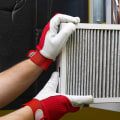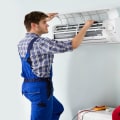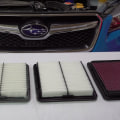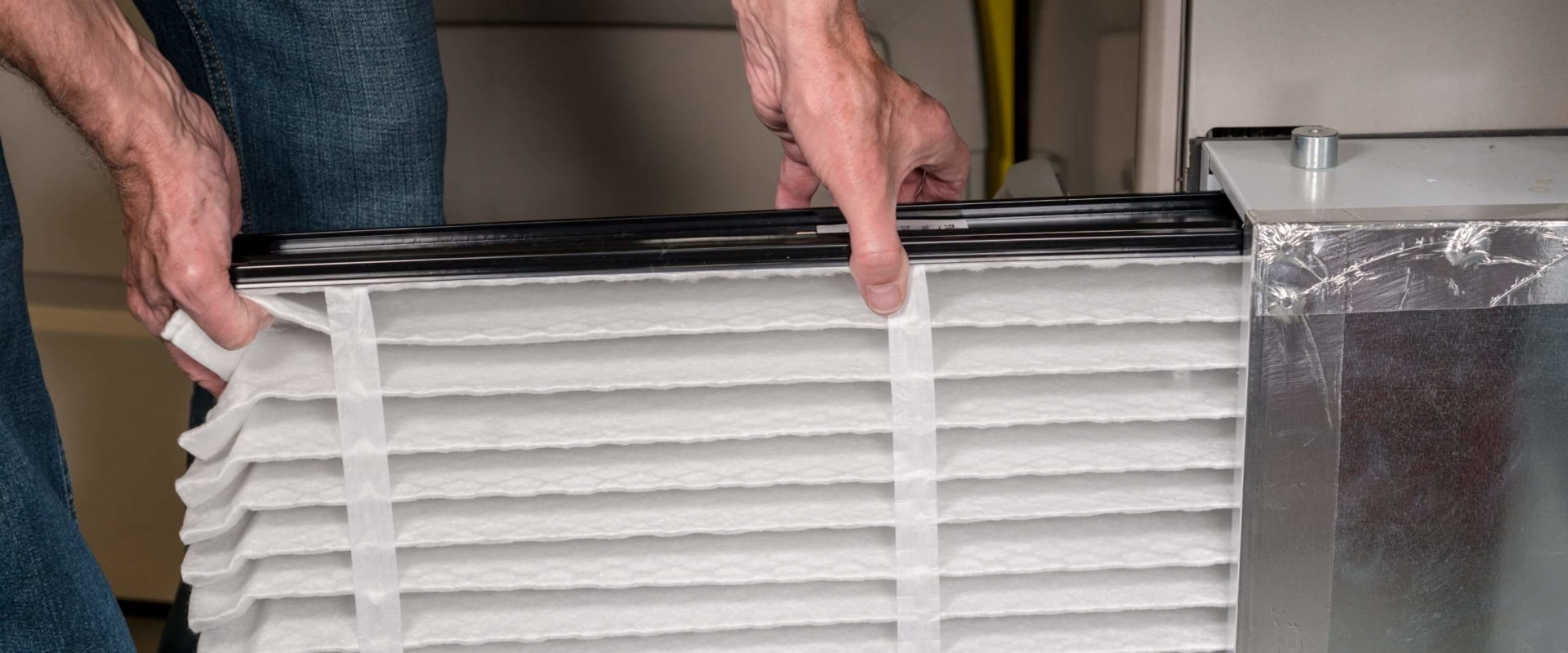
Air filters are an essential component of any HVAC (Heating, Ventilation, and Air Conditioning) system, serving a critical role in maintaining both the efficiency of the system and the quality of the air we breathe indoors. At their core, air filters are designed to capture and trap various airborne particles, including dust, pollen, pet dander, and even microscopic pollutants like mold spores and bacteria. By preventing these contaminants from circulating through your home, air filters help create a healthier living environment.Understanding how air filters work is key to appreciating their importance. When air is drawn into an HVAC system, it passes through the air filter before being heated or cooled.
The filter acts as a barrier, capturing particles that could otherwise clog the system or degrade indoor air quality. Depending on the type of filter used—be it a basic fiberglass filter or a more advanced HEPA filter—the level of filtration can vary significantly. This variance directly impacts how effectively the filter can remove harmful particles from the air.The significance of air filters extends beyond mere functionality; they are vital for ensuring optimal HVAC performance. A clean air filter allows for unrestricted airflow, which not only enhances energy efficiency but also prolongs the lifespan of the HVAC system.
Conversely, a dirty or clogged filter can lead to increased energy consumption and potential system failures. Therefore, understanding and maintaining your air filter is not just about comfort; it’s about safeguarding your investment in your home’s heating and cooling systems.
The Impact of Air Filters on HVAC Efficiency
Air filters are often underestimated when it comes to their role in enhancing the efficiency of HVAC systems. A clean air filter is essential for maintaining optimal airflow, which directly influences the performance of your heating, ventilation, and air conditioning system. When an air filter becomes clogged with dust, dirt, and other particulates, it creates a barrier that restricts airflow.This restriction forces the HVAC system to work harder to circulate air throughout your home, leading to increased energy consumption.One of the most significant impacts of a dirty air filter is the strain it places on the HVAC system. As the system struggles to pull air through a clogged filter, it can lead to overheating and potential breakdowns. This not only shortens the lifespan of your HVAC unit but also results in costly repairs. In contrast, a clean air filter allows for unrestricted airflow, enabling the system to operate efficiently and effectively.Regular maintenance of air filters can lead to substantial energy savings.
Studies have shown that replacing or cleaning a dirty air filter can improve HVAC efficiency by as much as 15%. This improvement translates into lower energy bills, as the system no longer has to expend extra energy to compensate for restricted airflow. Homeowners who prioritize air filter maintenance often notice a significant reduction in their monthly utility costs.Moreover, maintaining clean air filters contributes to consistent temperature control within your home. When airflow is optimized, your HVAC system can more accurately maintain the desired temperature settings, providing comfort without excessive energy use.
This balance not only enhances comfort but also promotes a more sustainable approach to energy consumption.In summary, the efficiency of your HVAC system is closely tied to the condition of its air filters. By ensuring that your air filters are clean and functioning properly, you can enhance airflow, reduce energy consumption, and ultimately save money on utility bills. Regularly checking and replacing your air filters should be a key component of your home maintenance routine.
Types of Air Filters: Choosing the Right One for Your HVAC System
When it comes to maintaining an efficient HVAC system, selecting the right air filter is crucial. With a variety of options available, understanding the differences between them can help homeowners make informed decisions that enhance both system performance and indoor air quality.Types of Air Filters
- Fiberglass Filters: These are the most basic and economical type of air filter.
Made from layered fiberglass strands, they primarily capture larger particles such as dust and lint. While they are affordable and easy to replace, their filtration efficiency is relatively low, making them less suitable for homes with allergy sufferers or pets.
- Pleated Filters: Pleated filters are designed with a larger surface area compared to fiberglass filters, allowing them to trap smaller particles more effectively. They are made from polyester or cotton and can capture dust, pollen, mold spores, and pet dander. These filters typically have a MERV (Minimum Efficiency Reporting Value) rating between 5 and 13, making them a popular choice for homeowners seeking a balance between cost and filtration efficiency.
- HEPA Filters: High-Efficiency Particulate Air (HEPA) filters are the gold standard in air filtration.
Capable of capturing up to 99.97% of particles as small as 0.3 microns, HEPA filters are ideal for individuals with severe allergies or respiratory issues. However, they can restrict airflow in some HVAC systems, so it’s essential to ensure compatibility before installation.
- Electrostatic Filters: These filters use static electricity to attract and trap particles from the air. They can be washable or disposable and often have a higher MERV rating than fiberglass filters. Electrostatic filters are effective at capturing smaller particles but may require more frequent cleaning or replacement depending on usage.
- Carbon Filters: While not primarily designed for particle filtration, carbon filters excel at removing odors and volatile organic compounds (VOCs) from the air.
They are often used in conjunction with other types of filters to enhance overall air quality.
- If you have pets or family members with allergies, a pleated or HEPA filter may be the best option.
- If you’re looking for a cost-effective solution for general dust control, fiberglass filters might suffice.
- If odor control is a priority, consider integrating carbon filters into your system.
Air Filters and Indoor Air Quality: A Critical Connection
The quality of the air we breathe indoors is often taken for granted, yet it plays a pivotal role in our overall health and well-being.Indoor air quality
(IAQ) can be significantly affected by various factors, including the presence of pollutants such as dust, mold, pet dander, and volatile organic compounds (VOCs). These contaminants can accumulate in our homes, leading to a range of health issues, particularly for sensitive individuals such as children, the elderly, and those with pre-existing respiratory conditions.One of the most effective ways to combat indoor air pollution is through the use of high-quality air filters.These filters are designed to capture a wide array of airborne particles, thereby reducing their concentration in the indoor environment. By effectively filtering out pollutants, air filters contribute to improved IAQ and can lead to significant health benefits.
Health Effects of Poor Indoor Air Quality
Research has shown that poor indoor air quality can lead to a variety of health problems. Common symptoms associated with exposure to indoor air pollutants include:- Respiratory Issues: Individuals may experience increased asthma attacks, chronic cough, or other respiratory ailments due to irritants in the air.
- Allergic Reactions: Dust mites, mold spores, and pet dander can trigger allergic reactions in sensitive individuals.
- Fatigue and Headaches: Poor IAQ can lead to general malaise, fatigue, and frequent headaches.
- Long-term Health Risks: Prolonged exposure to certain pollutants may increase the risk of developing serious conditions such as heart disease or lung cancer.
This includes not only dust and pollen but also bacteria and viruses that can compromise health.Moreover, regular maintenance of air filters is crucial. Clogged or dirty filters can become breeding grounds for mold and bacteria themselves, negating their intended purpose. Homeowners should aim to check their filters monthly and replace them as needed—typically every 1-3 months depending on usage and filter type.In conclusion, the connection between air filters and indoor air quality is undeniable. By investing in high-quality filtration systems and maintaining them properly, individuals can create a healthier living environment that promotes well-being and reduces the risk of health complications associated with poor indoor air quality.
Maintaining Your Air Filter: Best Practices for Homeowners
Maintaining your air filter is essential for ensuring the efficiency of your HVAC system and the quality of your indoor air.Regular maintenance not only prolongs the life of your HVAC unit but also contributes to a healthier living environment. Here are some best practices for homeowners to effectively maintain their air filters.
How Often Should You Change Your Air Filter?
The frequency of changing your air filter can depend on several factors, including the type of filter, the HVAC system, and your household's specific needs. As a general guideline:- Fiberglass Filters: These should be replaced every 30 days.
- Pleated Filters: Typically, these can last between 90 days to 6 months, depending on usage.
- HEPA Filters: These high-efficiency filters may need to be changed every 6 to 12 months.
Tips for Cleaning Air Filters
If you have reusable air filters, cleaning them properly is crucial for maintaining their effectiveness.Here are some tips:
- Turn Off Your HVAC System: Always ensure that your system is off before attempting to clean or replace the filter.
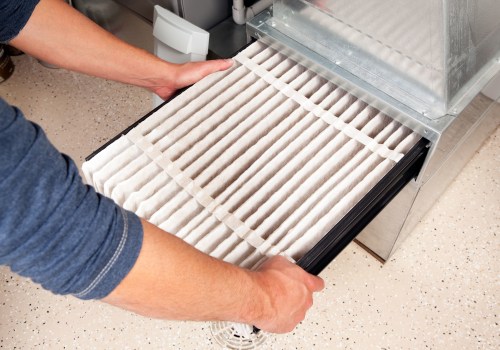
- Remove the Filter: Carefully take out the filter from its housing. Note how it is positioned so you can replace it correctly later.
- Vacuum First: Use a vacuum cleaner with a brush attachment to remove loose dust and debris from the filter.
- Wash with Water: If the filter is washable, rinse it under lukewarm water. Avoid using harsh chemicals that could damage the filter material.
- Dry Completely: Allow the filter to dry completely before reinstalling it to prevent mold growth.
Common Myths About Air Filters Debunked
When it comes to air filters, there are numerous misconceptions that can lead to improper usage and maintenance.Understanding the truth behind these myths is essential for optimizing both HVAC efficiency and indoor air quality.
Myth 1: All Air Filters Are the Same
One of the most prevalent misconceptions is that all air filters perform equally. In reality, air filters vary significantly in terms of their filtration capabilities. For instance, while fiberglass filters are inexpensive and can capture larger particles, they do little to filter out smaller allergens like pollen or pet dander. On the other hand, pleated and HEPA filters offer superior filtration, capturing a higher percentage of airborne contaminants.
Choosing the right filter for your specific needs is crucial.
Myth 2: Changing Air Filters Is Optional
Some homeowners believe that changing or cleaning their air filter is optional. This could not be further from the truth. A clogged or dirty filter can severely restrict airflow, causing your HVAC system to work harder and consume more energy. Regular maintenance of your air filter is essential for ensuring optimal performance and prolonging the lifespan of your system.
Myth 3: Higher MERV Ratings Are Always Better
The Minimum Efficiency Reporting Value (MERV) rating indicates how effectively a filter captures particles.
While higher MERV ratings generally mean better filtration, they can also restrict airflow if your HVAC system isn’t designed to handle them. It’s important to consult with an HVAC professional to determine the best MERV rating for your system.
Myth 4: Air Filters Only Affect Air Quality
Many people think that air filters only impact indoor air quality, but they also play a significant role in HVAC efficiency. A clean filter allows for better airflow, reducing strain on the system and lowering energy costs. Conversely, a dirty filter can lead to increased wear and tear on your HVAC unit.
Myth 5: You Don’t Need to Change Filters in the Winter
Some homeowners mistakenly believe that they only need to change their air filters during warmer months.
However, indoor air quality can be just as poor in winter due to heating systems circulating dust and allergens. Regularly checking and replacing your filters year-round is essential for maintaining a healthy home environment.By debunking these common myths about air filters, homeowners can make informed decisions that enhance both their HVAC efficiency and indoor air quality. Understanding the facts surrounding air filters empowers you to take proactive steps in maintaining a healthier living space.
Additional Steps to Improve Indoor Air Quality Beyond Air Filters
While maintaining a clean and efficient air filter is essential for improving indoor air quality, there are several additional strategies homeowners can implement to create a healthier living environment. These methods work synergistically with air filters to combat indoor pollution and enhance overall air quality.1.Regular Cleaning and Dusting
Dust accumulation can significantly contribute to indoor air pollution.Regular cleaning routines can help minimize dust levels:
- Vacuum Frequently: Use a vacuum cleaner equipped with a HEPA filter to trap fine particles effectively.
- Dust Surfaces: Use microfiber cloths to dust surfaces, as they capture dust rather than just moving it around.
- Wash Fabrics: Regularly wash curtains, bedding, and upholstery to remove dust mites and allergens.
2.Control Humidity Levels
High humidity can lead to mold growth and dust mite proliferation, both of which can negatively impact indoor air quality. To control humidity:- Use Dehumidifiers: In areas prone to moisture, such as basements, dehumidifiers can help maintain optimal humidity levels (ideally between 30-50%).
- Ventilate Properly: Ensure that bathrooms and kitchens are well-ventilated to reduce moisture buildup from cooking and bathing.
3.Choose Natural Cleaning Products
The cleaning products you use can also affect indoor air quality. Many conventional cleaners contain volatile organic compounds (VOCs) that can contribute to air pollution. Consider the following:- Opt for Green Products: Look for eco-friendly cleaning products that are free from harsh chemicals.
- DIY Solutions: Create your own cleaning solutions using natural ingredients like vinegar, baking soda, and lemon juice.
4.Incorporate Indoor Plants
Certain houseplants can improve indoor air quality by absorbing toxins and releasing oxygen.Some popular options include:
- Spathiphyllum (Peace Lily): Known for its ability to filter out formaldehyde and other pollutants.
- Aloe Vera: Not only does it purify the air, but it also has healing properties for minor burns and cuts.
- Pothos: A hardy plant that thrives in various conditions while effectively removing indoor toxins.
Conclusion: The Essential Role of Air Filters in Your Home's Health and Efficiency
In summary, the significance of air filters in maintaining both the efficiency of your HVAC system and the quality of your indoor air cannot be overstated. Throughout this discussion, we have explored how these seemingly simple components serve as the first line of defense against airborne pollutants, ensuring that the air you breathe is clean and healthy.One of the most critical points to remember is that a clean air filter directly correlates with improved HVAC efficiency. When air filters are clogged with dust, allergens, and other debris, they restrict airflow, forcing your HVAC system to work harder.This not only leads to increased energy consumption but can also shorten the lifespan of your system. Regular maintenance, including timely replacement or cleaning of air filters, can enhance efficiency by up to 15%, translating into significant savings on energy bills.Moreover, the impact of air filters on indoor air quality is profound. With indoor air often being more polluted than outdoor air, having an effective filtration system is essential for reducing allergens such as pet dander, pollen, and mold spores. This is particularly vital for individuals with respiratory issues or allergies, as poor indoor air quality can exacerbate their conditions.Choosing the right type of air filter is equally important.
Options range from basic fiberglass filters to high-efficiency particulate air (HEPA) filters that capture a higher percentage of airborne particles. Understanding your specific needs and selecting an appropriate filter can further enhance both HVAC performance and indoor air quality.In conclusion, prioritizing air filter maintenance is not just about keeping your HVAC system running smoothly; it’s about safeguarding your health and well-being. By ensuring that your home has clean and efficient air filters in place, you are taking a proactive step towards creating a healthier living environment for you and your family.