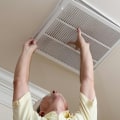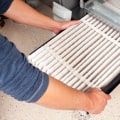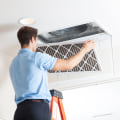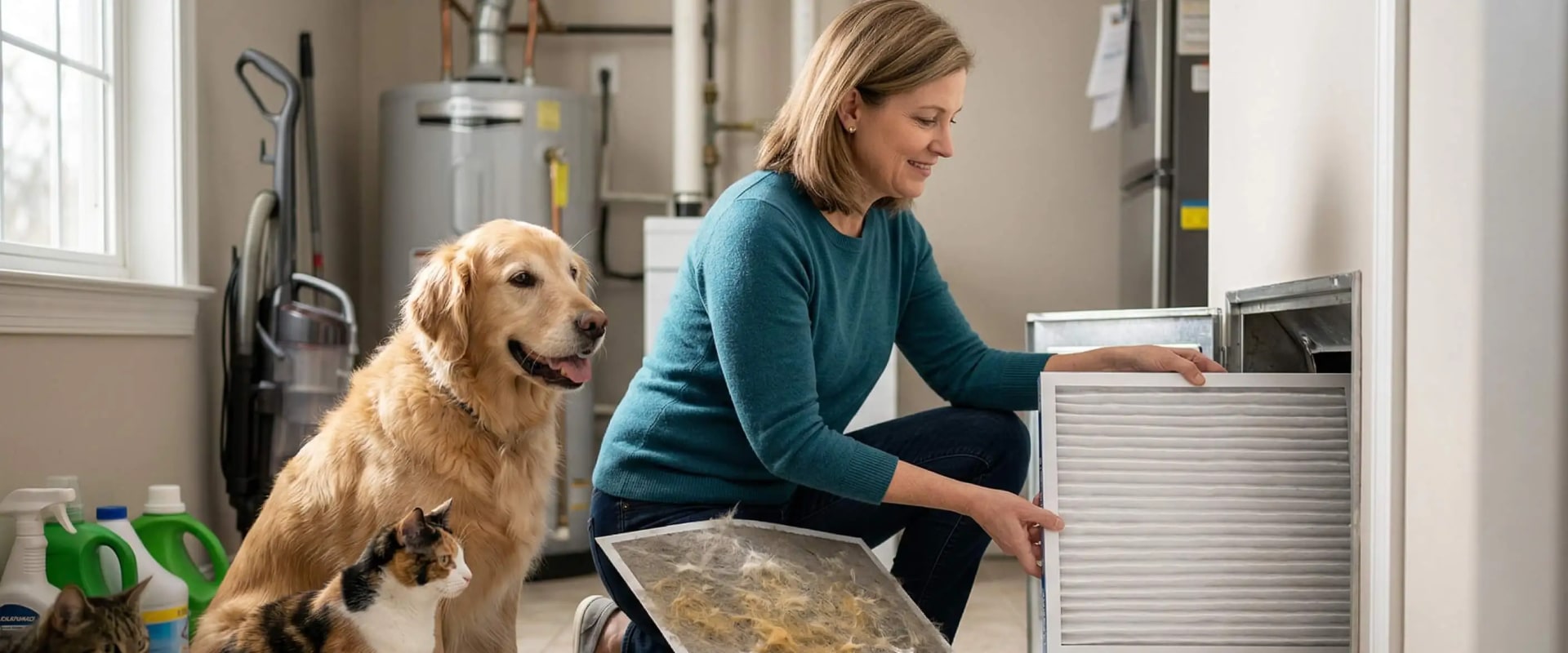
We've manufactured air filters for over a decade and shipped to more than two million households across the country. In our experience, pet-friendly homes are consistently among the fastest to clog a filter — often reaching capacity in half the time of a comparable pet-free home. That's not a sales pitch. It's a pattern we see repeatedly in the data, in customer feedback, and on the filters themselves.
This page gives you the full picture: why the 30-day benchmark exists, why pets change the equation, and how to choose the right air filter replacement schedule for your home. One dog or four cats — the guidance here is built on real-world filtration experience, not generic advice.
TL;DR Quick Answers
Air Filter Replacement
Air filter replacement is the single most impactful and lowest-cost maintenance decision a homeowner can make for indoor air quality. Here is what you need to know:
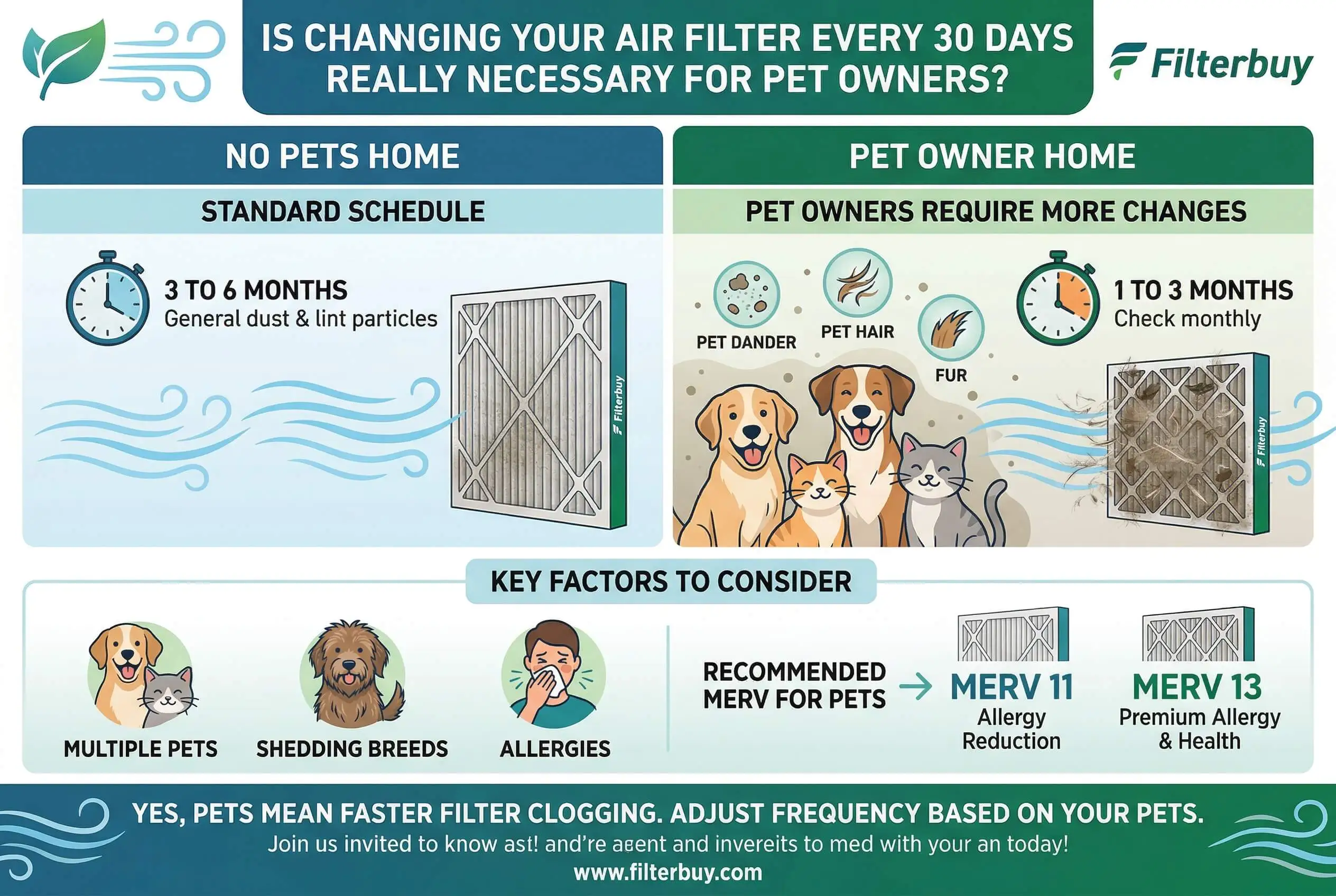
Replace standard filters every 30 days in a pet-free home with average air quality demands
Replace every 15 to 30 days in a home with one pet — sooner for heavy shedders
Replace every 15 days or fewer in homes with multiple pets or allergy sufferers
A filter past its useful life recirculates dander and allergens rather than capturing them
MERV 11 is the recommended starting point for pet households — MERV 13 for allergy sufferers
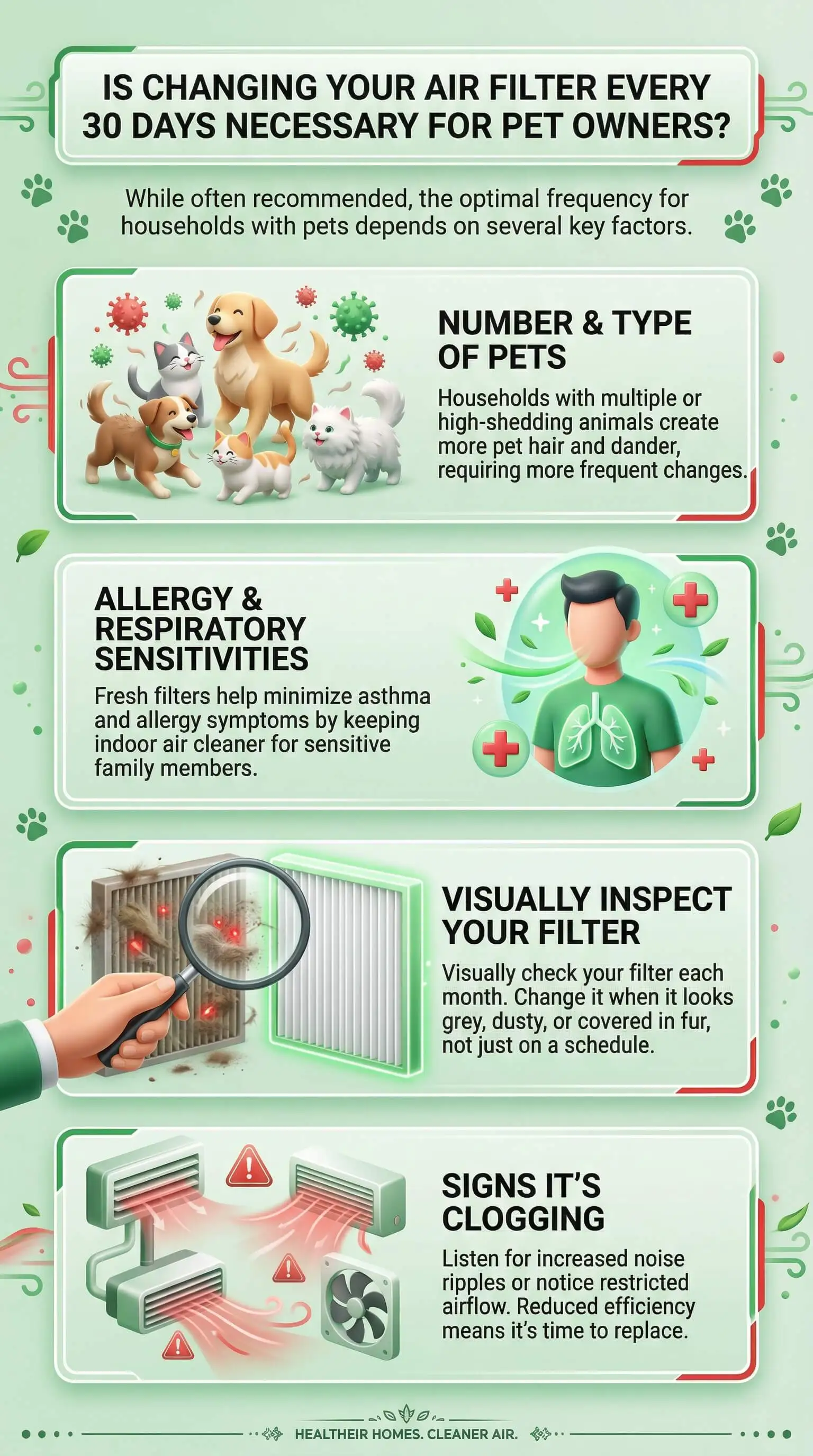
Do not wait for a filter to look dirty — hold it to the light and change it when light no longer passes through
A clogged filter strains your HVAC system, drives up energy costs, and accelerates component wear
After manufacturing filters for over a decade and serving more than two million households, the pattern is consistent: the homes with the best air quality are not the ones with the most expensive filters — they are the ones that change them on a short, regular cycle and check them before the calendar says to.
Top Takeaways
The 30-Day Rule Wasn't Built for Pet Owners
The standard 30-day guideline was designed for an average, pet-free household
Pet households generate significantly more airborne dander, hair, and allergens
In our experience, pet-friendly homes reach filter capacity in half the time of comparable pet-free homes
Your Filter Is Capturing More Than You Realize
Pets continuously shed dander, fur, and microscopic allergens — 24 hours a day
Pet dander stays airborne far longer than most other household particles
Low-rated filters allow a significant portion of fine dander particles to pass through entirely
A filter that looks clean from the outside can already be underperforming
A Saturated Filter Doesn't Just Stop Working — It Makes Things Worse
Overloaded filters restrict airflow and force your HVAC system to work harder
Restricted airflow increases energy consumption and accelerates system wear
Dander and allergens bypass a saturated filter and recirculate back into your home
The filter becomes a source of the problem rather than the solution
Match Your Change Frequency to Your Household — Not the Calendar
One pet, light shedder: change every 20 to 30 days
One pet, heavy shedder: change every 15 to 20 days
Multiple pets: change every 15 days or fewer
Pets plus allergy sufferers: change every 15 days minimum with a higher MERV rating
MERV Rating Matters More in a Pet Household
MERV 8 is the minimum — but rarely sufficient for homes with pets
MERV 11 captures pet dander and mold spores more effectively
MERV 13 is recommended for homes with multiple pets or allergy sufferers
Higher MERV filters may need more frequent changes — factor this into your schedule
The Simplest and Most Reliable Check
Pull your filter out mid-cycle
Hold it up to the light
If you cannot see light through the filter media — change it immediately
Do this regardless of where you are on the calendar
What the Data Tells Us
163.6 million cats and dogs now live in U.S. homes — up 45% since 1996
Americans spend 90% of their time indoors where air can be 2 to 5 times more polluted than outside
Up to 3 in 10 Americans are allergic to cats and dogs
Cat and dog dander rank among the most common indoor allergy triggers in the U.S.
Why the 30-Day Rule Exists in the First Place
The 30-day change recommendation was built around an average household — one with moderate foot traffic, no smokers, and no pets. Under those conditions, a standard MERV 8 filter can cycle air effectively for about a month before airflow becomes restricted and filtration performance drops off.
That baseline is a reasonable starting point for a lot of homes. But it was never designed to account for the additional load that pets introduce. Treating it as a universal rule — regardless of what's actually living in your home — is where many pet owners go wrong.
What Pets Actually Add to Your Air
Every pet in your home is a continuous source of airborne particulates. Even with regular grooming and vacuuming, pets shed dander and hair constantly. Dander — the microscopic flakes of skin that animals naturally shed — is particularly problematic because it's lightweight enough to stay suspended in the air for hours and small enough to pass through low-rated filters entirely.
Beyond dander, pets track in outdoor pollutants, introduce bacteria and mold spores from outdoor environments, and contribute volatile organic compounds from their bedding and litter areas. All of it moves through your HVAC system and lands on your filter. The more pets you have, the faster that load accumulates.
How Quickly Pets Clog a Filter
In our experience manufacturing filters and working with households across the country, pet-friendly homes load filters significantly faster than pet-free homes. A filter rated for 30 days in a standard home may reach the same level of restriction in 20 days or fewer in a home with one medium-sized dog. Homes with multiple pets — or breeds known for heavy shedding — can saturate a filter in as little as two weeks.
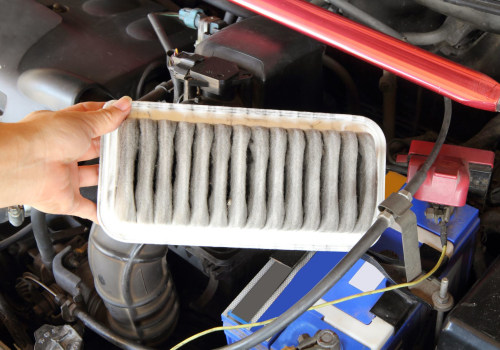
The visible sign most homeowners wait for — a filter that looks gray and matted — often means the filter has already been underperforming for days. By the time the restriction is visible, your HVAC system has likely been working harder than it should.
The Right Change Frequency for Pet Owners
Rather than following a fixed calendar schedule, the more reliable approach is to match your change frequency to what's actually happening in your home. As a starting framework:
One pet, light shedder: Change every 20 to 30 days
One pet, heavy shedder: Change every 15 to 20 days
Multiple pets: Change every 15 days or fewer
Pets plus allergy sufferers in the home: Change every 15 days minimum, with a higher MERV rating
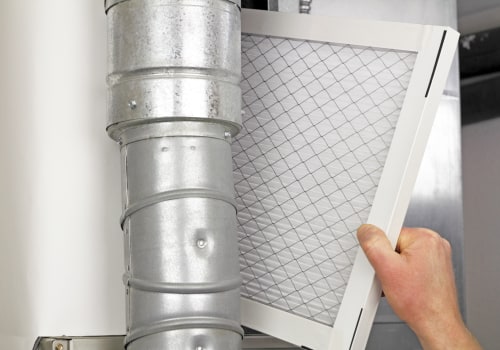
Pulling your filter out mid-cycle and checking it against the light is one of the most reliable things you can do, because air filter replacement prevents HVAC repair. If you can no longer see light through the filter media, it's time to change it — regardless of where you are on the calendar.
Does a Higher MERV Rating Help?
Yes, but with an important caveat. A higher MERV rating captures smaller particles, including pet dander and fine allergens that lower-rated filters miss entirely. For pet owners, upgrading from a MERV 8 to a MERV 11 or MERV 13 can make a meaningful difference in air quality.
The tradeoff is that denser filter media restricts airflow more quickly. In a pet household, a MERV rating chart can help show why a higher-rated filter may need to be changed even more frequently than a lower-rated one. The goal is to find the right balance between filtration performance and change frequency — not simply to buy the highest-rated filter available and change it on the same old schedule.
What Happens When You Wait Too Long
A clogged filter doesn't just stop cleaning your air — it actively works against your home. When airflow is restricted, your HVAC system compensates by running longer cycles, consuming more energy, and generating more wear on its components. In severe cases, restricted airflow can cause the system to overheat or freeze up entirely.
For pet owners, delayed filter changes also mean that dander and allergens that should be captured are instead bypassing a saturated filter and redistributing through your home's air supply. The filter becomes part of the problem rather than the solution.
The Bottom Line for Pet Owners
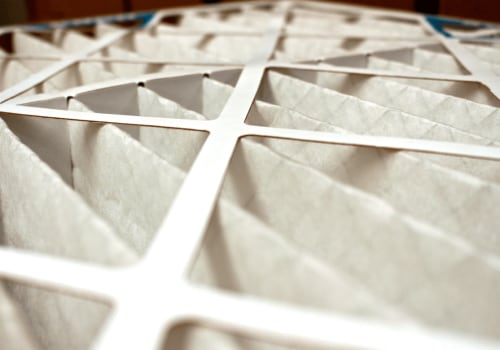
The 30-day guideline is a floor, not a ceiling. For most pet households, it's a schedule that's already behind the curve. A consistent, shorter change cycle — paired with the right MERV rating and a high-quality pleated air filter for your home — is one of the most effective and lowest-cost ways to maintain genuinely clean indoor air for your family and your pets.
"Pet owners are often surprised when we tell them that the filter they just pulled after 30 days is already well past its useful life. We see it consistently — homes with pets load filters at a rate that the standard change guidelines simply weren't designed for. What makes this particularly important is that a saturated filter doesn't just stop working. It becomes a source of the problem, allowing dander and allergens to bypass the media entirely and recirculate through the home. After manufacturing filters for over a decade and working with millions of households, our advice to every pet owner is the same: stop following the calendar and start checking your filter. The filter will tell you exactly what your home needs — you just have to look."
Essential Resources
Don't take your indoor air for granted — especially with pets in the home. After manufacturing filters for over a decade and serving more than two million households, we know that the pet owners who make the best air quality decisions are the ones who understand what's actually moving through their air. These seven trusted resources from leading government and health organizations give you the verified, authoritative foundation to protect your family with confidence.
1. How to Choose and Maintain the Right HVAC Filter for Your Home
This is the EPA's essential starting point for any homeowner serious about indoor air quality. It covers how to select, use, and replace HVAC filters — including what pollutants each filter type captures and why skipping a replacement cycle costs you more than you realize.
Source: U.S. Environmental Protection Agency https://www.epa.gov/indoor-air-quality-iaq/guide-air-cleaners-home
2. What the Science Says About Air Filters and Indoor Air Pollution
Most homeowners don't realize how much is floating through their air between filter changes. This EPA technical overview explains filter effectiveness metrics, pollutant categories, and how HVAC filtration performance degrades over time — giving you the "why" behind every recommendation we make.
Source: U.S. Environmental Protection Agency https://www.epa.gov/indoor-air-quality-iaq/air-cleaners-and-air-filters-home
3. The Government Standard Behind MERV Ratings and Residential Filtration
MERV ratings are at the core of every filter decision — and this EPA technical bulletin is where those standards come from. It explains what each rating level captures, how higher-efficiency filters affect airflow, and why the right MERV rating for a pet household is rarely the same as for a pet-free one.
Source: U.S. Environmental Protection Agency https://www.epa.gov/sites/default/files/2020-06/documents/2019.11_tech_bulletin_filtration.pdf
4. What Pet Dander Actually Does to Your Indoor Air — and Your Family's Health
Here's something most pet owners don't know: pet dander stays airborne significantly longer than most other household particles — and low-rated filters let much of it pass through entirely. The American Lung Association breaks down exactly how animal allergens behave in your air and what it takes to meaningfully reduce your family's exposure.
Source: American Lung Association https://www.lung.org/clean-air/indoor-air/indoor-air-pollutants/pet-dander
5. Why the Air Inside Your Home May Be More Harmful Than the Air Outside
Indoor air can be two to five times more polluted than outdoor air — and in a pet household, that gap widens further. The Asthma and Allergy Foundation of America connects the presence of pet dander, dust, and household pollutants directly to allergy and asthma symptoms, and outlines what a proactive indoor air quality strategy actually requires.
Source: Asthma and Allergy Foundation of America https://aafa.org/allergies/allergy-treatment/creating-a-healthier-home/why-healthy-indoor-air-quality-is-important/
6. The Health Case for Keeping Animal Allergens Out of Your Air
Exposure to animal dander, fur, and saliva doesn't just cause immediate symptoms — over time, it can trigger sensitization and contribute to the development of chronic respiratory conditions. This CDC and NIOSH publication documents those risks in detail and reinforces why consistent filtration and ventilation are essential in any home shared with animals.
Source: Centers for Disease Control and Prevention / National Institute for Occupational Safety and Health https://www.cdc.gov/niosh/docs/97-116/default.html
7. A Plain-Language Guide to Choosing the Right Filter by MERV Rating
Choosing between MERV 11 and MERV 13 isn't complicated once you understand what each rating is actually capturing — and what it's letting through. The New York State Department of Health offers a clear, practical breakdown of filter technologies and MERV comparisons that helps you make the right call for your specific home and the pets living in it.
Source: New York State Department of Health https://www.health.ny.gov/environmental/indoors/air/air_cleaners
These essential resources help homeowners understand different types of air filters, how they affect pet dander control and indoor air quality, and which filtration choices best support a healthier home with pets.
Supporting Statistics
After manufacturing filters for over a decade and shipping to more than two million households, these are the statistics that directly shape how we think about filter performance in pet-friendly homes.
Stat 1: 163.6 Million Cats and Dogs Now Live in U.S. Homes — Up 45% Since 1996
According to the 2025 AVMA Pet Ownership and Demographics Sourcebook, the total U.S. population of pet cats and dogs now stands at 163.6 million — a 45% increase from 1996. American Veterinary Medical Association
What this means for your filter:
Pet ownership has grown nearly by half since most standard change guidelines were written
More pets per household means more dander, more hair, and faster filter saturation
The 30-day rule wasn't built for the pet-owning country we live in today
In our experience, homes following outdated guidelines are the ones that struggle most with air quality — not homes with unusual circumstances
Source: American Veterinary Medical Association https://www.avma.org/news/evolving-pet-owner-economics-what-data-reveal-veterinary-teams
Stat 2: Americans Spend 90% of Their Time Indoors — Where Air Can Be 2 to 5 Times More Polluted Than Outside
The U.S. Environmental Protection Agency reports that Americans spend approximately 90 percent of their time indoors, where concentrations of some pollutants are often 2 to 5 times higher than typical outdoor concentrations — with pet dander listed specifically as one of those indoor pollutant sources. US EPA
What this means for your filter:
Most homeowners focus on what they can see — pet hair, surface dust
What they can't see is dander, mold spores, and fine particulates cycling through the HVAC system continuously
A filter past its useful life doesn't just stop cleaning the air — it redistributes pollutants back into it
The 90% statistic isn't abstract — it's the environment your family breathes in every single day
Source: U.S. Environmental Protection Agency https://www.epa.gov/report-environment/indoor-air-quality
Stat 3: Pet Dander Affects Up to 3 in 10 Americans — and Most Don't Know Their Filter Is Making It Worse
The Asthma and Allergy Foundation of America identifies cat and dog dander among the most prevalent indoor allergy triggers in the United States. AAFA.org Independent data shows that up to 3 out of every 10 people in the U.S. are allergic to cats and dogs. Cleveland Clinic
What this means for your filter:
Millions of Americans with pet allergies are living with pets — and depending on filtration to manage their symptoms
A missed or delayed filter change is the most direct and avoidable way to undermine that protection
In our experience, the pet-plus-allergy-sufferer household is far more common than most people realize
When we say check your filter before the calendar tells you to — this statistic is exactly why
Sources: Asthma and Allergy Foundation of America https://aafa.org/allergies/allergy-facts/
https://aafa.org/allergies/types-of-allergies/pet-dog-cat-allergies/
These supporting statistics show why protecting indoor air quality in pet-friendly homes should be a priority, and how better filtration habits can support stronger system performance, cleaner air, and smarter HVAC replacement decisions for long-term comfort.
Final Thoughts
The 30-day rule is a starting point — not a personalized plan. For pet owners, the gap between those two things is where air quality problems quietly take root.
After more than a decade of manufacturing filters and working with millions of households, here is what we know to be true:
Standard change guidelines were written for an average home that increasingly doesn't exist
Pet ownership has grown nearly 45% since 1996 — but filter change recommendations haven't kept pace
A filter's job is to capture what you can't see, not just what you can
The homes that manage indoor air quality best aren't the ones with the most expensive filters — they're the ones that check and change consistently
Waiting until a filter looks dirty means you've already been breathing compromised air for days
What We've Seen Firsthand
We've seen what overloaded filters look like in pet households — the matted layers of dander and fine particulates that accumulate well before the 30-day mark. The pattern is consistent and the fix is straightforward:
Stop relying on the calendar alone
Pull the filter and hold it to the light
Change it when it needs changing — not when the schedule says to
The Shift That Makes the Difference
Customers who moved from a calendar-based schedule to a condition-based one noticed it immediately:
Their homes felt cleaner
Their families breathed easier
Their HVAC systems ran quieter
None of that required an expensive upgrade or a complicated system. It required paying attention to something most homeowners walk past every day without a second thought.
Our Bottom Line
The filter in your home right now is either working for your family or working against them. In a pet household, the difference often comes down to a two-minute check and a decision to change it two weeks earlier than the calendar says to.
The data supports it. The health authorities confirm it. And the filter in your home will show it — if you look.
FAQ on Air Filter Replacement
Q: How often should pet owners change their air filter?
A: More often than the label suggests. Standard 30-day guidelines were not designed for pet households. Based on over a decade of manufacturing experience, here is the recommended schedule:
One pet, light shedder — change every 20 to 30 days
One pet, heavy shedder — change every 15 to 20 days
Multiple pets or allergy sufferers — change every 15 days or fewer
The most reliable method is not a calendar. It is a two-minute check:
Remove the filter from the housing
Hold it up to a light source
If you cannot see light through the media — change it immediately
Q: What MERV rating is best for a home with pets?
A: MERV 8 is the floor — not the target. Here is how MERV ratings break down for pet households:
MERV 8 — minimum for any home; insufficient for most pet households
MERV 11 — recommended starting point for homes with one or two pets
MERV 13 — recommended for multiple pets, heavy shedders, or allergy and asthma sufferers
One critical point: higher MERV ratings restrict airflow more quickly in pet households. Upgrading the MERV rating without shortening the change cycle is a common and costly mistake.
Q: What happens if you don't change your air filter often enough?
A: The filter stops protecting your home and starts working against it. Here is what happens when a filter is pushed past its useful life:
Dander and allergens bypass the saturated media and recirculate into your air supply
Your HVAC system runs longer cycles — increasing energy costs
Airflow restriction accelerates wear on the blower motor and internal components
Severe restriction can cause the system to overheat or freeze up entirely
Key insight: by the time a filter looks visibly dirty — it has already been underperforming for days.
Q: Can you tell when an air filter needs changing just by looking at it?
A: Not reliably. Surface appearance is one of the most common and costly misconceptions in filter maintenance. Here is why:
A filter can look lightly soiled on the surface while the interior media is already fully loaded
Fine dander and allergens are not visible to the naked eye
Surface color tells you nothing about what is happening inside the filter media
The check that actually works:
Remove the filter from the housing
Hold it directly up to a light source
If light no longer passes through — change it immediately regardless of the date
In a pet household — perform this check every two weeks as a standard habit.
Q: Does having pets affect the HVAC system beyond just the air filter?
A: Yes — significantly. Pet hair and dander that bypasses an overloaded filter travels deeper into the system. Here is where it accumulates and what it costs:
Evaporator coils — dander buildup reduces cooling and heating efficiency
Blower motors — debris accumulation increases mechanical strain over time
Ductwork — settled dander recirculates every time the system runs
Coil surfaces — organic debris accelerates mold and bacterial growth
The bottom line: the HVAC systems in the best long-term condition are not the ones with the most expensive equipment. They are in homes where filters are changed on a short, consistent cycle. A timely filter change is the least expensive HVAC maintenance decision a pet owner can make.
Ready to Find the Right Air Filter for Your Pet-Friendly Home?
If changing your air filter every 30 days isn't enough for pet owners, the right filter and the right schedule make all the difference — and Filterbuy makes both simple. Shop our full range of MERV-rated filters, find your size, and set up automatic delivery so your home's air is always protected on schedule.