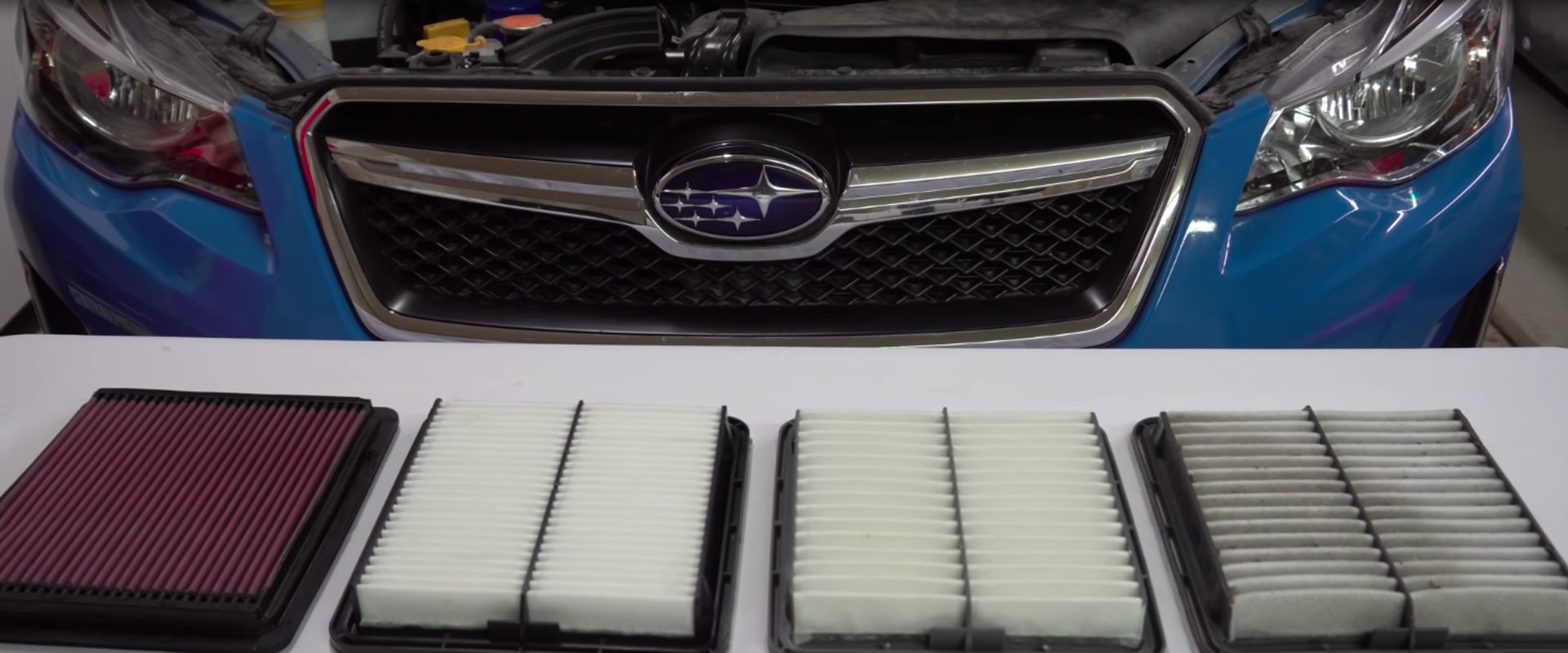
Every vehicle is a complex machine, and at the heart of its operation lies the engine, which requires a precise balance of air and fuel to function optimally. One of the unsung heroes in this equation is the air filter. This seemingly simple component plays a vital role in ensuring that your engine receives clean, unobstructed air, which is essential for efficient combustion. Without a properly functioning air filter, your vehicle's performance can suffer significantly, leading to decreased fuel efficiency and increased emissions.The primary function of an air filter is to trap dirt, dust, and other contaminants from the air before they enter the engine.
This is crucial because any foreign particles can cause wear and tear on engine components, leading to costly repairs over time. A clean air filter allows for optimal airflow, which not only enhances engine performance but also contributes to better fuel economy. In fact, studies have shown that a clean air filter can improve acceleration and mileage, making it an essential aspect of vehicle maintenance.Moreover, the importance of an air filter extends beyond just performance; it also has environmental implications. When your engine runs efficiently due to a clean air filter, it burns fuel more completely, resulting in fewer harmful emissions being released into the atmosphere.
This means that by regularly replacing your air filter, you are not only taking care of your vehicle but also doing your part in reducing your carbon footprint.In summary, understanding the role of an air filter in your vehicle is crucial for any car owner. It serves as a protective barrier for your engine while enhancing performance and efficiency. Regularly replacing this component is not just a maintenance task; it’s an investment in the longevity of your vehicle and the health of our planet.
How a Clean Air Filter Enhances Engine Performance
Maintaining a clean air filter is essential for optimizing your vehicle's engine performance. The air filter plays a pivotal role in ensuring that the engine receives a steady supply of clean air, which is crucial for the combustion process.When the air filter is clogged with dirt and debris, it restricts airflow, leading to several negative consequences for engine performance.One of the most significant benefits of a clean air filter is improved acceleration. Studies have shown that a clean air filter can enhance acceleration by as much as 11% in newer vehicles. This improvement is particularly noticeable during rapid acceleration, such as merging onto highways or overtaking other vehicles. A well-functioning air filter allows the engine to breathe more freely, enabling it to generate power more efficiently.In addition to acceleration, a clean air filter also contributes to better fuel efficiency.
Research indicates that replacing a clogged air filter can lead to an increase in fuel economy by up to 14% in older cars. This is because when the engine receives adequate airflow, it can burn fuel more completely, resulting in less wasted fuel and lower emissions. Over time, this can translate into significant savings at the pump.Moreover, a clean air filter helps maintain optimal engine temperature. When airflow is restricted, the engine may overheat due to inefficient combustion and increased strain on its components.
By ensuring that the engine receives sufficient air, a clean air filter aids in regulating temperature, which is vital for preventing overheating and prolonging engine life.Furthermore, regular replacement of the air filter can prevent long-term damage to the engine. A dirty air filter allows harmful particles to enter the combustion chamber, which can lead to increased wear and tear on engine components. This not only affects performance but can also result in costly repairs down the line.In summary, maintaining a clean air filter is crucial for enhancing your vehicle's engine performance. From improved acceleration and fuel efficiency to better temperature regulation and reduced wear on engine parts, the benefits are clear.
Regularly checking and replacing your air filter can lead to a smoother driving experience and significant savings over time.
The Connection Between Air Filters and Fuel Efficiency
When it comes to maximizing your vehicle's fuel efficiency, one of the most often overlooked components is the air filter. A clean air filter plays a pivotal role in ensuring that your engine receives the optimal amount of air necessary for efficient combustion. When the air filter is clogged with dirt and debris, it restricts airflow, leading to a series of negative consequences that can significantly impact your gas mileage.To understand this connection better, let’s delve into how an air filter affects fuel consumption:- Airflow Restriction: The primary function of an air filter is to allow clean air to enter the engine while blocking harmful particles. A clogged filter reduces airflow, forcing the engine to work harder to draw in the necessary air.
This increased effort translates into higher fuel consumption.
- Engine Efficiency: An engine operates most efficiently when it has a balanced mixture of air and fuel. If the air filter is dirty, the engine may receive less air than needed, leading to a rich fuel mixture. This not only wastes fuel but can also lead to incomplete combustion, resulting in lower power output and increased emissions.
- Performance Impact: Studies have shown that replacing a dirty air filter can improve acceleration by up to 11% in newer vehicles and enhance fuel economy by as much as 14% in older models. These improvements can lead to significant savings at the pump over time.
A clean air filter can lead to:
- Improved Gas Mileage: With optimal airflow, your engine can operate more efficiently, which means you’ll spend less on fuel.
- Reduced Emissions: A well-maintained air filter helps ensure that your vehicle runs cleaner, contributing positively to environmental health.
- Longer Engine Life: By preventing contaminants from entering the engine, a clean air filter helps reduce wear and tear on engine components, potentially saving you from costly repairs down the line.
When Should You Replace Your Car's Air Filter?
Understanding when to replace your car's air filter is essential for maintaining optimal engine performance and fuel efficiency. While the general guideline suggests changing the air filter every 12,000 to 15,000 miles, this interval can vary significantly based on several factors.Driving Conditions
- Dusty Environments: If you frequently drive in areas with high dust levels, such as construction sites or unpaved roads, your air filter will accumulate dirt more quickly.
In such cases, consider replacing it every 6,000 to 10,000 miles.
- Urban Driving: Stop-and-go traffic in urban settings can also lead to increased air filter clogging due to pollutants and exhaust from other vehicles. Regular checks and replacements may be necessary.
- Highway Driving: Conversely, if you primarily drive on highways with minimal stop-and-go traffic, your air filter may last longer, potentially extending the replacement interval closer to the 15,000-mile mark.
Vehicle Type
The type of vehicle you own can also influence how often you should change your air filter. For instance:
- Older Vehicles: Older cars may require more frequent air filter changes due to less efficient engine designs and older technology.
- High-Performance Vehicles: Sports cars or vehicles with modified engines might benefit from high-performance air filters that need to be replaced more often to maintain optimal airflow.
Signs of a Dirty Air Filter
Being aware of the signs that indicate a dirty or clogged air filter can help you determine when it’s time for a replacement:
- Decreased Engine Performance: If you notice a drop in acceleration or overall power, it could be due to restricted airflow caused by a dirty air filter.
- Poor Fuel Economy: A significant decrease in miles per gallon (MPG) can signal that your air filter is not allowing enough air into the engine for efficient combustion.
- Unusual Engine Sounds: If your engine starts making strange noises or runs roughly, it may be struggling due to insufficient airflow.
- Check Engine Light: In some cases, a dirty air filter can trigger the check engine light on your dashboard. It’s advisable to have it checked if this occurs.
Regular maintenance not only enhances performance but also prolongs the life of your engine.
Signs That Indicate It's Time for a New Air Filter
Recognizing when your car's air filter needs replacement is crucial for maintaining optimal engine performance and fuel efficiency. Here are some key signs that indicate it might be time to change your air filter:- Reduced Engine Performance: If you notice a decrease in acceleration or overall engine responsiveness, it could be a sign that your air filter is clogged. A dirty air filter restricts airflow, making it harder for the engine to breathe.
- Poor Fuel Economy: A significant drop in miles per gallon (MPG) can often be traced back to a dirty air filter. When the engine struggles to get enough air, it compensates by burning more fuel, leading to increased consumption.
- Unusual Engine Sounds: If your engine starts making strange noises, such as sputtering or backfiring, it may be due to insufficient airflow caused by a blocked air filter.
This can lead to further engine issues if not addressed promptly.
- Check Engine Light: In some vehicles, a dirty air filter can trigger the check engine light. If this warning light appears on your dashboard, it's wise to inspect the air filter along with other potential issues.
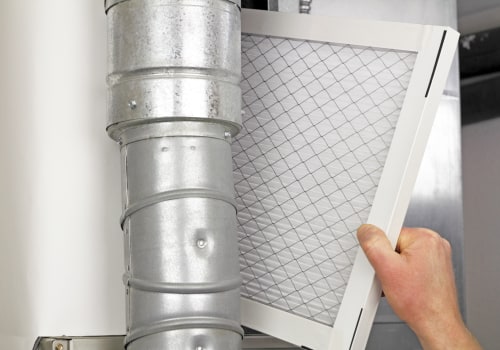
- Visual Inspection: Regularly checking your air filter can provide immediate insight into its condition. Remove the air filter from its housing and hold it up to a light source. If you can barely see light passing through or if the filter appears discolored and dirty, it's time for a replacement.
- Increased Emissions: A clogged air filter can lead to incomplete combustion in the engine, resulting in higher emissions.
If you notice an increase in exhaust smoke or a strong smell of fuel, this could indicate that your air filter needs changing.
The Environmental Impact of a Clean Air Filter
Maintaining a clean air filter is not just a matter of enhancing your vehicle's performance; it also plays a significant role in promoting environmental sustainability. When your car's air filter is clogged or dirty, it restricts airflow to the engine, causing it to work harder to draw in the necessary oxygen for combustion. This inefficiency leads to increased fuel consumption and, consequently, higher emissions of harmful pollutants.By regularly replacing your air filter, you can help reduce the amount of carbon dioxide (CO2) and other harmful gases released into the atmosphere.A clean air filter allows for optimal airflow, enabling the engine to burn fuel more efficiently. This efficiency translates into lower emissions, which is crucial in combating air pollution and its associated health risks.Here are some key environmental benefits of maintaining a clean air filter:
- Reduced Greenhouse Gas Emissions: A well-functioning air filter helps your engine operate at peak efficiency, which can significantly lower greenhouse gas emissions. This is particularly important as global warming continues to be a pressing issue.
- Improved Fuel Economy: A clean air filter can enhance fuel economy by up to 14%, as mentioned earlier. This means that not only are you saving money at the pump, but you are also using less fuel overall, which contributes to a decrease in fossil fuel consumption.
- Less Air Pollution: Vehicles are one of the largest contributors to urban air pollution.
By ensuring that your car runs efficiently with a clean air filter, you are actively participating in efforts to improve air quality in your community.
- Support for Eco-Friendly Practices: Regular maintenance of your vehicle, including changing the air filter, aligns with eco-friendly car care practices. It reflects a commitment to sustainability and responsible vehicle ownership.
By prioritizing this simple yet effective maintenance task, you can play a part in reducing emissions and promoting a healthier environment for future generations.
Choosing the Right Air Filter for Your Vehicle
When it comes to maintaining your vehicle, selecting the right air filter is crucial for optimal engine performance and longevity. With various options available, understanding the differences between them can help you make an informed decision.Types of Air Filters
There are several types of air filters available on the market, each designed to meet specific needs:- OEM (Original Equipment Manufacturer) Filters: These filters are made by the same manufacturer that produced your vehicle. They are designed to meet the exact specifications of your car, ensuring a perfect fit and optimal performance.
- Aftermarket Filters: These filters are produced by third-party companies and may offer various performance enhancements. While some aftermarket filters can improve airflow and filtration, others may not meet the same quality standards as OEM filters.
- High-Performance Filters: Designed for enthusiasts looking to maximize engine performance, these filters often use advanced materials to increase airflow.
However, they may require more frequent maintenance and may not be suitable for all vehicles.
OEM vs Aftermarket Air Filters
The choice between OEM and aftermarket air filters often comes down to personal preference and specific vehicle requirements. Here are some factors to consider:- Quality Assurance: OEM filters typically undergo rigorous testing to ensure they meet manufacturer standards, providing peace of mind regarding quality.
- Cost: Aftermarket filters can be less expensive than OEM options, but it's essential to research their quality and performance before making a purchase.
- Performance: If you're looking for enhanced performance, some aftermarket filters may offer better airflow, but ensure they are compatible with your vehicle's engine.
How to Replace Your Car's Air Filter: A Step-by-Step Guide
Replacing your car's air filter is a straightforward process that can be accomplished with minimal tools and effort. Whether you're a seasoned DIY enthusiast or a novice looking to save on maintenance costs, this step-by-step guide will help you navigate the replacement process with ease.Tools You Will Need:
- New air filter (specific to your vehicle model)
- Screwdriver (if necessary for your vehicle)
- Gloves (optional, for cleanliness)
- Flashlight (to see inside the air filter housing)
Step-by-Step Instructions:
- Locate the Air Filter: Open the hood of your car and find the air filter housing.
This is typically a rectangular or cylindrical box located near the engine. Refer to your owner’s manual if you have trouble locating it.
- Inspect the Housing: Before removing the air filter, take a moment to inspect the housing for any signs of damage or debris. Ensure that there are no cracks or loose fittings that could allow dirt to enter.
- Remove the Housing Cover: Depending on your vehicle, you may need to unscrew or unclip the cover of the air filter housing. Use your screwdriver if screws are present, or simply unclip any fasteners.
- Take Out the Old Air Filter: Carefully lift out the old air filter from its housing.
Be cautious not to let any dirt or debris fall into the engine compartment during this process.
- Clean the Housing: Use a clean cloth or vacuum to remove any dust or debris from inside the air filter housing. This ensures that no contaminants will affect the new filter's performance.
- Insert the New Air Filter: Place the new air filter into the housing, ensuring it fits snugly and is oriented correctly. Most filters have a specific direction for airflow, which is usually indicated on the filter itself.
- Reattach the Housing Cover: Once the new filter is in place, reattach the housing cover by securing any clips or screws you removed earlier. Make sure everything is tightly sealed to prevent dirt from entering.
- Close the Hood: After confirming that everything is secure, close your car's hood and ensure it is latched properly.
Final Thoughts:
Replacing your car's air filter is an essential maintenance task that can enhance engine performance and fuel efficiency.
By following these simple steps, you can easily perform this task yourself and keep your vehicle running smoothly. If at any point you feel unsure about replacing the air filter, don’t hesitate to consult a professional mechanic for assistance.
Frequently Asked Questions About Car Air Filters
When it comes to maintaining your vehicle, understanding the role of the air filter is crucial. Here are some frequently asked questions that can help clarify its importance and functionality.1.What is the purpose of a car air filter?
The primary function of a car air filter is to trap dirt, dust, and other contaminants from entering the engine. This ensures that only clean air reaches the engine, which is essential for optimal combustion and performance.2.How often should I replace my air filter?
While the general recommendation is to replace your air filter every 12,000 to 15,000 miles, this can vary based on driving conditions.If you frequently drive in dusty or polluted environments, consider checking and replacing it more often.
3.What are the signs that my air filter needs replacing?
- Decreased fuel efficiency: If you notice a drop in miles per gallon, it could be due to a clogged air filter.
- Engine misfires: A dirty air filter can disrupt the air-fuel mixture, leading to engine performance issues.
- Unusual engine sounds: If your engine sounds rough or struggles to start, it may be time for a new air filter.
4.Can I clean my air filter instead of replacing it?
Some reusable air filters can be cleaned and reused; however, most standard paper filters are designed for one-time use. Always refer to your vehicle's manual for specific recommendations regarding your air filter.5.Does a high-performance air filter make a difference?
A high-performance air filter can improve airflow and potentially enhance engine performance. However, it's essential to choose one that is compatible with your vehicle to avoid any negative effects on fuel efficiency or engine health.6.How do I know which air filter is right for my car?
The best way to determine the right air filter for your vehicle is to consult your owner's manual or speak with a trusted mechanic. They can recommend filters that meet your car's specifications and performance needs.By addressing these common questions about car air filters, you can better understand their significance in maintaining your vehicle's performance and longevity.Conclusion: The Importance of Regular Air Filter Maintenance
In summary, the significance of regularly replacing your car's air filter cannot be overstated.This seemingly minor component plays a pivotal role in ensuring your vehicle operates efficiently and effectively. By maintaining a clean air filter, you not only enhance your engine's performance but also contribute to better fuel economy and reduced emissions.Throughout this article, we have explored several key aspects of air filter maintenance:
- Engine Performance: A clean air filter allows for optimal airflow, which is essential for the combustion process. This leads to improved acceleration and overall engine responsiveness.
- Fuel Efficiency: Regularly replacing your air filter can lead to significant savings at the pump. Studies indicate that a clean air filter can improve fuel efficiency by as much as 14%, making it a cost-effective maintenance task.
- Longevity of Engine Components: By preventing dirt and debris from entering the engine, a high-quality air filter helps reduce wear and tear on critical components, ultimately extending the life of your vehicle.
- Environmental Impact: A well-maintained air filter contributes to lower emissions, helping to protect the environment by reducing your vehicle's carbon footprint.
- Cost-Effectiveness: Investing in regular air filter replacements can save you from costly repairs down the line, as it minimizes the risk of engine damage caused by contaminants.
This will help you determine how often you should check and replace your air filter based on your driving conditions and habits.In conclusion, prioritizing air filter maintenance is a simple yet effective way to enhance your vehicle's performance, save money on fuel, and contribute positively to the environment. Don't overlook this crucial aspect of car care; make it a regular part of your vehicle maintenance routine for optimal results.