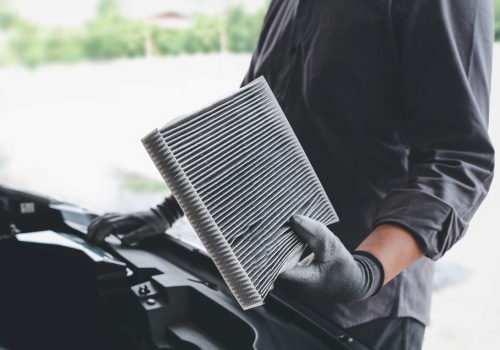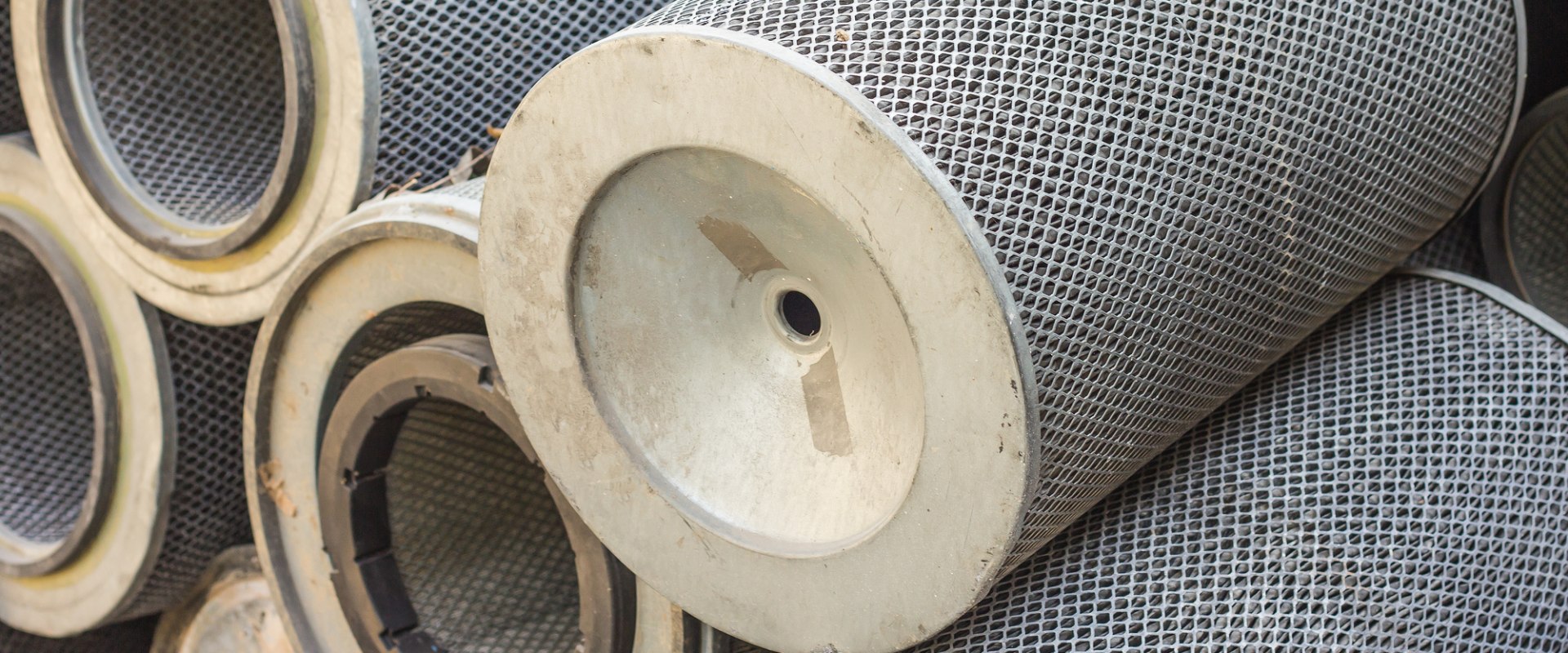
The air filter is a vital component of your vehicle's engine system, serving a crucial function that directly impacts performance and longevity. Its primary role is to filter out harmful particles such as dirt, dust, and debris from the air before it enters the engine. This clean air is essential for the combustion process, which powers your vehicle. Without a properly functioning air filter, your engine may struggle to receive the clean air it needs, leading to a cascade of performance issues.Understanding the importance of the air filter goes beyond just recognizing its function; it involves appreciating how it contributes to overall engine health.
A clean air filter ensures that the engine operates efficiently, maximizing fuel combustion and minimizing emissions. When the air filter is clogged or dirty, it restricts airflow, causing the engine to work harder to draw in air. This not only affects acceleration but can also lead to increased fuel consumption and higher emissions, which are detrimental to both your wallet and the environment.Moreover, neglecting to change your air filter regularly can result in more severe consequences. A dirty air filter can lead to engine misfires, reduced power output, and even long-term damage to critical components such as spark plugs and fuel injectors.
By ensuring that your air filter is clean and functioning optimally, you are taking proactive steps to maintain your vehicle's performance and extend its lifespan. In essence, the air filter plays a pivotal role in safeguarding your engine against contaminants that could otherwise compromise its efficiency and reliability.
How a Dirty Air Filter Affects Vehicle Performance
The air filter is a vital component of your vehicle's engine system, and its condition can significantly influence various aspects of performance. When the air filter becomes dirty or clogged, it can lead to a cascade of issues that affect not only the engine's efficiency but also your overall driving experience.1.Impact on Acceleration
One of the most immediate effects of a dirty air filter is a noticeable decline in acceleration. A clogged air filter restricts the flow of air into the engine, which is essential for the combustion process.
When the engine receives insufficient air, it struggles to mix fuel and air properly, leading to a reduction in power output. This can make it difficult to accelerate quickly, especially when merging onto highways or overtaking other vehicles. Drivers may find themselves pressing harder on the accelerator with little response, which can be frustrating and potentially dangerous.
2.Decreased Fuel Economy
A dirty air filter can also have a detrimental effect on fuel economy. When airflow is restricted, the engine compensates by using more fuel to maintain performance levels.
This inefficiency can lead to increased fuel consumption, causing you to spend more at the pump. Studies indicate that a clogged air filter can reduce fuel efficiency by as much as 10%. Over time, this can add up to significant costs, especially for those who drive frequently or over long distances.
3.Overall Engine Performance Issues
Beyond acceleration and fuel economy, a dirty air filter can lead to broader engine performance issues. Insufficient airflow can cause the engine to run rough or misfire, resulting in an uneven power delivery that affects drivability.
In severe cases, prolonged neglect of air filter maintenance may lead to stalling or even engine failure. Additionally, a dirty air filter can contribute to increased emissions, as the engine may not burn fuel as efficiently as it should.In summary, neglecting to change your car's air filter can have serious repercussions on acceleration, fuel economy, and overall engine performance. Regular maintenance of this crucial component is essential for ensuring that your vehicle operates smoothly and efficiently.
Signs That Indicate It's Time to Change Your Air Filter
Recognizing the signs that indicate it's time to change your car's air filter is crucial for maintaining optimal engine performance. A dirty or clogged air filter can lead to a range of issues, and being proactive can save you from costly repairs down the line.Here are some key symptoms to watch for:
- Decreased Acceleration: If you notice that your vehicle is struggling to accelerate or feels sluggish when you press the gas pedal, it may be due to a restricted airflow caused by a dirty air filter. The engine requires a specific amount of air for combustion, and any obstruction can hinder its performance.
- Poor Fuel Economy: A clogged air filter can lead to increased fuel consumption. When the engine doesn't receive enough clean air, it compensates by burning more fuel. If you find yourself making more frequent trips to the gas station without any changes in your driving habits, it might be time to check your air filter.
- Unusual Engine Sounds: If your engine starts making strange noises, such as sputtering or rough idling, this could indicate that it's not getting enough air.
A dirty air filter can disrupt the air-fuel mixture, leading to inefficient combustion and unusual engine behavior.
- Check Engine Light: In some vehicles, a dirty air filter can trigger the check engine light. While this warning can indicate various issues, it's worth checking the air filter as part of your troubleshooting process.
- Visual Inspection: If you have access to your vehicle's air filter, a simple visual inspection can reveal its condition. If the filter appears dark, dirty, or clogged with debris, it’s time for a replacement.
Recommended Replacement Intervals for Air Filters
Establishing a regular air filter replacement schedule is crucial for maintaining your vehicle's performance and longevity.While the general guideline suggests changing the air filter every 12,000 to 15,000 miles, several factors can influence this timeline. Understanding these factors can help you tailor a maintenance routine that suits your driving habits and conditions.
Driving Conditions
- Dusty Environments: If you frequently drive on unpaved roads or in areas with high dust levels, your air filter will accumulate dirt more quickly. In such cases, consider replacing it every 6,000 to 10,000 miles.
- Urban Driving: Stop-and-go traffic in urban settings can lead to increased engine strain and a higher likelihood of contaminants entering the engine. If you primarily drive in the city, aim for a replacement every 10,000 to 12,000 miles.
- Highway Driving: On the other hand, if your driving mainly consists of highway travel, where air quality is generally better, you might stick closer to the 15,000-mile mark for replacements.
Vehicle Age and Type
The age and type of your vehicle also play a significant role in determining how often to change the air filter.
Older vehicles may require more frequent replacements due to wear and tear on engine components. Additionally, some high-performance vehicles may have specialized air filters that need to be checked more regularly.
Seasonal Changes
Seasonal changes can also impact your air filter's lifespan. For instance, during spring and fall, pollen and debris levels can rise significantly. If you live in an area with distinct seasons, consider inspecting your air filter at the start of each season and replacing it if necessary.
Signs of a Clogged Air Filter
In addition to following a replacement schedule, it's essential to be aware of signs that indicate your air filter may need changing sooner than expected.
Look out for:
- Decreased acceleration or power when driving.
- A noticeable drop in fuel efficiency.
- An increase in engine noise or rough idling.
- Check engine light activation related to air intake issues.
DIY vs. Professional Air Filter Replacement: What You Need to Know
When it comes to maintaining your vehicle, one of the most crucial tasks is changing the air filter. However, car owners often face a dilemma: should they tackle this task themselves or seek the help of a professional? Both options have their advantages and disadvantages, and understanding these can help you make an informed decision.Benefits of DIY Air Filter Replacement
Changing your air filter yourself can be a rewarding experience.Here are some key benefits:
- Cost Savings: One of the most significant advantages of a DIY approach is the potential for cost savings. Professional services often charge for labor in addition to parts, while doing it yourself means you only pay for the air filter itself.
- Convenience: Performing the replacement at home allows you to choose a time that fits your schedule. You won’t have to wait for an appointment or deal with the hassle of dropping off and picking up your vehicle.
- Learning Experience: Engaging in DIY car maintenance can enhance your understanding of your vehicle. This knowledge can empower you to handle other minor repairs and maintenance tasks in the future.
Drawbacks of DIY Air Filter Replacement
While there are benefits, there are also some drawbacks to consider:- Time-Consuming: Depending on your experience level, changing an air filter can take longer than expected, especially if you encounter any complications.
- Lack of Expertise: If you're not familiar with your vehicle's specific requirements, you might inadvertently choose the wrong filter or fail to install it correctly, which could lead to performance issues.
- Tools Required: Some vehicles may require special tools for accessing the air filter compartment, which could add to your initial costs if you don’t already own them.
Advantages of Professional Air Filter Service
Opting for a professional service has its own set of benefits:- Expertise: Professionals have the training and experience to quickly and accurately replace your air filter.
They can also identify any other potential issues during the process.
- Quality Assurance: A professional service often guarantees their work, providing peace of mind that the job will be done correctly.
- Time Efficiency: Professionals can typically complete the task much faster than an inexperienced individual, allowing you to get back on the road sooner.
Disadvantages of Professional Air Filter Service
However, there are some downsides to consider when choosing professional service:- Higher Costs: The most apparent drawback is the cost. Professional services can be significantly more expensive than doing it yourself.
- Scheduling Conflicts: You may need to work around the shop's schedule, which could be inconvenient if you have a busy lifestyle.
Choosing the Right Air Filter for Your Vehicle
When it comes to maintaining your vehicle's performance, selecting the right air filter is crucial. Not all air filters are created equal, and using a filter that is not compatible with your specific make and model can lead to suboptimal engine performance and even potential damage.Here are some key factors to consider when choosing the best air filter for your car.
Understand Your Vehicle's Requirements
Every vehicle has unique specifications that dictate the type of air filter it requires. To ensure you select a compatible air filter, consult your owner’s manual or check with your dealership. This will provide you with the necessary information regarding the size, shape, and type of air filter that is best suited for your engine.Types of Air Filters
There are several types of air filters available on the market:- Paper Filters: These are the most common and affordable options. They are effective at trapping dirt and debris but may need to be replaced more frequently.
- Foam Filters: Often used in off-road vehicles, foam filters can be cleaned and reused, making them a cost-effective choice for those who drive in dusty conditions.
- Reusable Filters: Made from materials like cotton or synthetic fibers, these filters can be washed and re-oiled, providing long-term savings.
Quality Matters
Investing in a high-quality air filter can significantly impact your vehicle's performance.Look for filters from reputable brands known for their durability and efficiency. Some well-regarded manufacturers include:
- K&N: Known for their high-flow cotton filters that enhance engine performance.
- AEM: Offers washable filters designed to improve airflow while providing excellent filtration.
- Fram: A trusted name in automotive parts, Fram provides reliable paper filters that meet OEM specifications.
Check for Certifications
When selecting an air filter, look for certifications such as ISO 5011, which indicates that the filter has been tested for its filtration efficiency and airflow capabilities. Filters meeting these standards are more likely to provide optimal performance and protection for your engine.Consider Your Driving Conditions
Your driving environment plays a significant role in determining how often you should change your air filter. If you frequently drive in urban areas with heavy traffic or on unpaved roads, you may need a more robust filter that can handle increased dust and debris.In contrast, if you primarily drive on highways, a standard paper filter may suffice.In conclusion, choosing the right air filter involves understanding your vehicle's specific needs, considering the types of filters available, prioritizing quality, checking for certifications, and evaluating your driving conditions. By taking these factors into account, you can ensure that your car runs efficiently and effectively while prolonging its lifespan.
Environmental Impact of Air Filters: A Broader Perspective
When considering the environmental impact of car maintenance, the role of air filters often goes overlooked. However, the implications of using and disposing of these components can be significant, especially in an era where sustainability is becoming increasingly important.Air filters are designed to trap harmful particles and contaminants before they enter the engine, which is crucial for maintaining vehicle performance. Yet, as they fulfill this function, they also accumulate a variety of pollutants that can have adverse effects on the environment.When air filters are not changed regularly, they can become clogged, leading to inefficient engine performance and increased emissions. This not only affects fuel economy but also contributes to higher levels of harmful pollutants being released into the atmosphere.Moreover, the disposal of used air filters poses another environmental challenge. Many traditional air filters are made from materials that are not biodegradable and can take years to decompose in landfills. This raises concerns about waste management and the long-term impact on our ecosystems.
To mitigate these issues, it is essential for car owners to consider eco-friendly alternatives.
Eco-Friendly Air Filters
Fortunately, there are now eco-friendly air filters available on the market that are designed with sustainability in mind. These filters often use recyclable materials and are engineered to last longer than conventional options, reducing the frequency of replacements and minimizing waste. By choosing these products, consumers can significantly lessen their environmental footprint while still ensuring optimal engine performance.Sustainability in Automotive Care
Incorporating sustainability into automotive care extends beyond just selecting eco-friendly air filters. It involves adopting a holistic approach to vehicle maintenance that prioritizes both performance and environmental responsibility.Regularly changing your air filter not only enhances your car's efficiency but also reduces its carbon footprint.Additionally, many automotive service centers are now implementing recycling programs for used parts, including air filters. Participating in such initiatives can help ensure that these components are disposed of responsibly rather than contributing to landfill waste.In conclusion, understanding the environmental effects of car maintenance—specifically regarding air filters—can empower vehicle owners to make more informed choices. By prioritizing regular maintenance and opting for sustainable products, we can contribute to a healthier planet while enjoying the benefits of a well-functioning vehicle.
Frequently Asked Questions About Car Air Filters
When it comes to maintaining your vehicle, understanding the role of the air filter is crucial. Here are some frequently asked questions that can help clarify common misconceptions and provide valuable insights into car air filters.What is the purpose of a car air filter?
The primary function of a car air filter is to prevent dirt, dust, and other contaminants from entering the engine.Clean air is essential for efficient combustion, which directly impacts your vehicle's performance, fuel efficiency, and longevity.
How often should I replace my air filter?
While the general recommendation is to replace your air filter every 12,000 to 15,000 miles, this can vary based on driving conditions. If you frequently drive in dusty environments or heavy traffic, consider checking and replacing your air filter more often.What are the signs that my air filter needs to be changed?
- Reduced acceleration: If you notice a significant drop in your car's power when accelerating, it may be due to a clogged air filter.
- Poor fuel economy: A dirty air filter can cause your engine to consume more fuel than necessary, leading to increased gas expenses.
- Engine misfires or rough idling: If your engine runs unevenly or stalls, it could be struggling due to insufficient airflow caused by a dirty filter.
Can I clean my air filter instead of replacing it?
In some cases, reusable air filters can be cleaned and reused. However, most standard paper filters are designed for one-time use and should be replaced when they become dirty. Always refer to your vehicle's owner manual for specific recommendations regarding your air filter type.Does a high-performance air filter make a difference?
High-performance air filters can improve airflow and filtration efficiency compared to standard filters.This can lead to better engine performance and potentially improved fuel economy. However, it's essential to ensure that any aftermarket filter is compatible with your vehicle's make and model.
Where can I find the air filter in my car?
The location of the air filter varies by vehicle model. Typically, it can be found in a rectangular or cylindrical housing near the engine. Consult your owner's manual for precise information on locating and accessing the air filter in your specific vehicle.By addressing these common questions about car air filters, you can better understand their importance and ensure that your vehicle runs smoothly and efficiently.Conclusion: The Importance of Regularly Changing Your Car's Air Filter
In summary, the significance of regularly changing your car's air filter cannot be overstated.This seemingly minor component plays a pivotal role in ensuring your vehicle operates at its best. By filtering out harmful contaminants from the air entering the engine, the air filter directly influences not only the performance but also the longevity of your vehicle.Throughout this article, we have explored several critical aspects of the air filter's function:
- Enhanced Engine Performance: A clean air filter allows for optimal airflow, which is essential for efficient combustion. This results in improved acceleration and overall engine responsiveness.
- Fuel Efficiency: A clogged air filter can lead to increased fuel consumption as the engine compensates for reduced airflow. Regularly replacing the air filter can help maintain fuel efficiency, saving you money at the pump.
- Prevention of Engine Damage: Neglecting to change a dirty air filter can lead to serious engine issues, including rough idling and stalling.
In severe cases, it may even cause damage to other engine components, leading to costly repairs.
- Driving Conditions Matter: Depending on your driving environment—whether it’s dusty roads or heavy traffic—the frequency of air filter changes may need to be adjusted. Being aware of these conditions can help you stay proactive in your vehicle maintenance.