When it comes to maintaining your vehicle, one of the most critical yet often overlooked components is the air filter. This seemingly simple part plays a vital role in ensuring that your engine operates efficiently and effectively. The primary function of the car air filter is to prevent dirt, debris, and other contaminants from entering the engine's combustion chamber. By doing so, it helps maintain optimal air quality for combustion, which is essential for maximizing performance and fuel efficiency.Understanding the importance of the air filter goes beyond just recognizing its role in filtering air.
A clean and efficient air filter can significantly impact your vehicle's overall health. When the air filter is clogged or dirty, it restricts airflow to the engine, leading to a decrease in power output and an increase in fuel consumption. In fact, studies have shown that a clean air filter can improve fuel efficiency by as much as 10%. This means that not only does a well-maintained air filter enhance performance, but it can also save you money at the pump.Moreover, the condition of your air filter can affect other engine components.
A dirty filter can cause the engine to work harder than necessary, leading to increased wear and tear on vital parts. This can result in costly repairs down the line. Therefore, understanding how your car's air filter functions and its significance in maintaining engine health is crucial for any vehicle owner. As we delve deeper into this topic, we will explore the hidden benefits of upgrading your air filter and how it can lead to improved performance and longevity for your vehicle.
How Air Filters Work: The Science Behind Filtration
Understanding how air filters work is essential for any car owner looking to enhance their vehicle's performance.At its core, an air filter serves as a barrier that prevents dirt, debris, and other contaminants from entering the engine. This filtration process is crucial because clean air is necessary for optimal combustion, which directly affects engine efficiency and longevity.The air filtration process begins when air enters the engine through the intake system. As air flows into the filter, it passes through a series of layers designed to trap particles. The effectiveness of this process depends on the type of filter used and its construction.
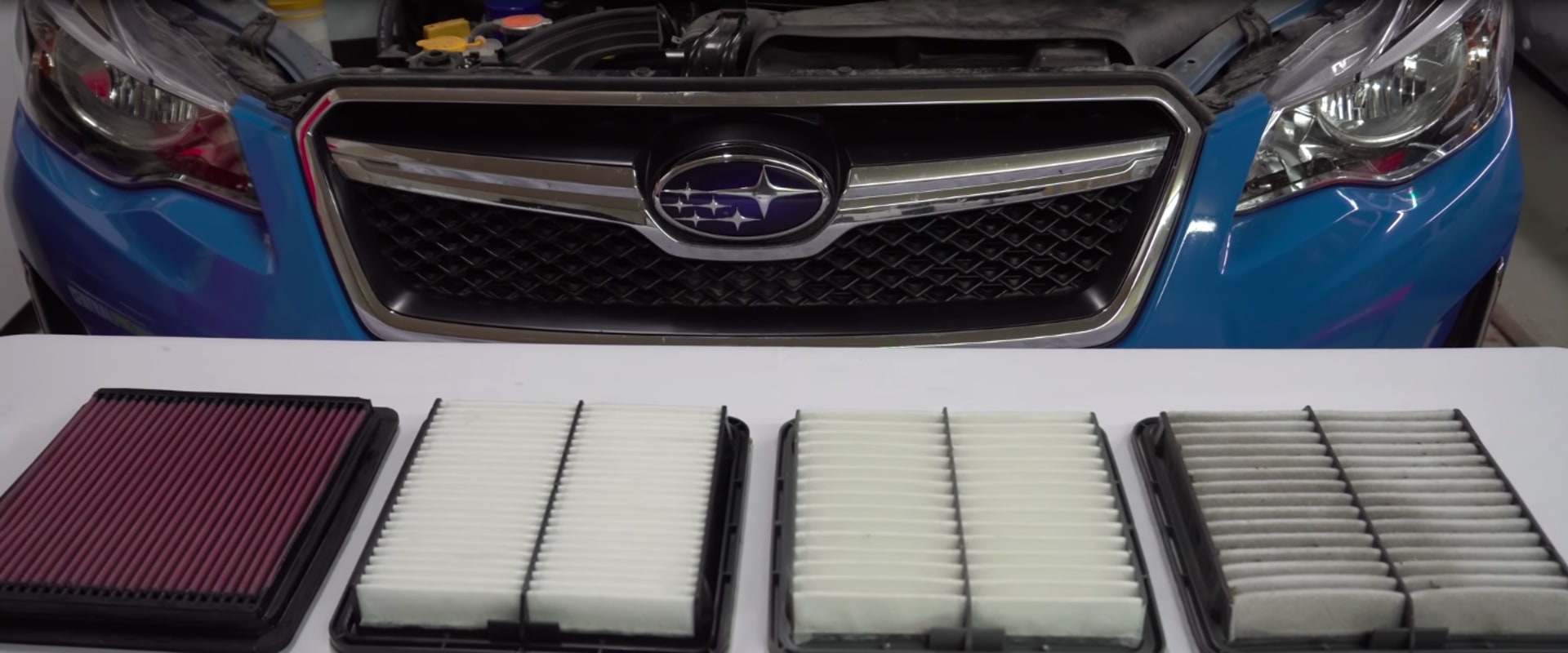
Types of Air Filters
- Paper Filters: These are the most common type found in many vehicles.
Made from cellulose or synthetic fibers, paper filters are effective at capturing dirt and debris but can become clogged relatively quickly, especially in dusty environments.
- Foam Filters: Foam filters are often used in off-road vehicles due to their ability to be cleaned and reused. They provide excellent airflow while still filtering out contaminants effectively.
- High-Flow Filters: These aftermarket options, such as those made by K&N, are designed to allow more air into the engine while still providing adequate filtration. They often use a combination of cotton and oil to trap dirt particles, making them reusable after cleaning.
- HEPA Filters: While more common in home applications, some high-performance vehicles utilize HEPA filters for superior filtration capabilities. These filters can capture even smaller particles, ensuring that only the cleanest air reaches the engine.
For instance, a high-flow filter can enhance airflow, leading to improved horsepower and torque. However, it’s important to balance performance with filtration efficiency; some high-flow options may allow more contaminants into the engine if not designed properly.In summary, understanding the mechanics behind air filters and their various types can help car owners make informed decisions about upgrades. By selecting a filter that not only enhances airflow but also maintains effective filtration, you can ensure your engine runs smoothly and efficiently for years to come.
The Impact of a Clean Air Filter on Engine Performance
Maintaining a clean air filter is essential for optimizing engine performance. The air filter serves as the first line of defense against dirt, dust, and other contaminants that can enter the engine.When the air filter is clean, it allows for an unobstructed flow of air into the engine, which is crucial for efficient combustion.One of the most significant benefits of a clean air filter is the potential increase in horsepower. When an engine receives a sufficient amount of clean air, it can burn fuel more effectively, leading to improved power output. Studies have shown that replacing a clogged or dirty air filter can result in an increase of up to 10% in horsepower. This boost may seem modest, but for many drivers, it translates into noticeable improvements in acceleration and overall driving experience.In addition to horsepower, a clean air filter also enhances torque.
Torque is the force that propels your vehicle forward, and having a clean air filter ensures that the engine can generate this force efficiently. When airflow is restricted due to a dirty filter, the engine struggles to produce the necessary torque, which can lead to sluggish performance during acceleration or when climbing hills.Moreover, a clean air filter contributes to better fuel efficiency. When the engine operates with optimal airflow, it can achieve a more complete combustion process. This means that less fuel is wasted, resulting in improved miles per gallon (MPG).
In fact, some drivers have reported fuel economy improvements of up to 2-10% after changing their air filters.To summarize, the impact of a clean air filter on engine performance cannot be overstated. It not only enhances horsepower and torque but also promotes better fuel efficiency. Regularly checking and replacing your air filter as part of routine maintenance can lead to significant long-term benefits for your vehicle's performance and longevity.
Fuel Efficiency: How an Upgraded Air Filter Can Save You Money
When it comes to vehicle maintenance, many drivers overlook the significant impact that an upgraded air filter can have on fuel efficiency. A high-flow or performance air filter not only enhances engine performance but also plays a crucial role in optimizing fuel consumption, ultimately leading to substantial savings at the pump.One of the primary functions of an air filter is to ensure that clean air enters the engine for combustion.Over time, standard filters can become clogged with dirt and debris, restricting airflow. This restriction forces the engine to work harder, which can lead to increased fuel consumption. In contrast, a high-flow air filter allows for better airflow, enabling the engine to operate more efficiently.According to various studies, upgrading to a performance air filter can improve fuel efficiency by as much as 10% or more. For example, if your vehicle typically consumes 20 miles per gallon (MPG), a 10% improvement could increase that figure to 22 MPG.
Over time, this seemingly small enhancement can translate into significant savings.
- Cost Savings: If you drive approximately 12,000 miles a year and your vehicle averages 20 MPG, you would use about 600 gallons of fuel annually. At a gas price of $3 per gallon, that amounts to $1,800 spent on fuel. With a 10% increase in fuel efficiency, you could save around $180 each year.
- Long-Term Benefits: While the initial investment in a high-flow air filter may be higher than standard options, the long-term savings on fuel costs can quickly offset this expense. Additionally, many performance filters are reusable and only require periodic cleaning, further enhancing their cost-effectiveness.
- Environmental Impact: Improved fuel efficiency not only saves money but also reduces your carbon footprint.
By consuming less fuel, you contribute to lower greenhouse gas emissions, making your driving habits more environmentally friendly.
Long-Term Benefits: Reducing Maintenance Costs with Quality Filters
Investing in a quality air filter is not just about immediate performance gains; it can also lead to significant long-term benefits, particularly in terms of reducing maintenance costs. A well-functioning air filter plays a vital role in maintaining the health of your engine, which can ultimately save you money over time.When you opt for a high-quality air filter, you are ensuring that your engine receives clean air, free from dirt and contaminants.This is crucial because an engine that breathes clean air operates more efficiently and experiences less wear and tear. Over time, this can lead to:
- Extended Engine Life: A clean air filter helps prevent harmful particles from entering the engine, which can cause damage to internal components. By reducing this risk, you can extend the lifespan of your engine significantly.
- Lower Repair Costs: Regularly replacing or cleaning your air filter can prevent costly repairs associated with engine damage. Issues such as clogged fuel injectors or damaged pistons can arise from poor air filtration, leading to expensive fixes.
- Improved Fuel Efficiency: A quality air filter allows for optimal airflow, which enhances fuel combustion.
This means your vehicle will use fuel more efficiently, leading to savings at the pump over time.
While they may come with a higher upfront cost, the long-term savings on maintenance and repairs can far outweigh this initial investment.In conclusion, prioritizing a quality air filter is a smart decision for any vehicle owner looking to reduce long-term maintenance costs. By ensuring your engine operates efficiently and remains protected from harmful contaminants, you not only enhance performance but also safeguard your investment in the vehicle itself.
Aftermarket vs. OEM Air Filters: What You Need to Know
When it comes to selecting an air filter for your vehicle, the choice between aftermarket and OEM (Original Equipment Manufacturer) filters can significantly impact your car's performance and maintenance. Understanding the differences between these two options is crucial for making an informed decision that aligns with your driving needs and budget.OEM Air Filters
OEM air filters are designed and manufactured by the same company that produced your vehicle.
These filters are built to meet the specific requirements set by the manufacturer, ensuring a perfect fit and optimal performance. Here are some key advantages of choosing OEM air filters:
- Quality Assurance: OEM filters undergo rigorous testing to meet strict quality standards, which can lead to better filtration efficiency.
- Perfect Fit: Since they are made specifically for your vehicle model, OEM filters fit seamlessly, reducing the risk of installation errors.
- Warranty Protection: Using OEM parts often helps maintain your vehicle's warranty, as manufacturers typically recommend their own products.
- Cost: OEM filters tend to be more expensive than aftermarket options, which can be a significant factor for budget-conscious consumers.
- Limited Options: You may have fewer choices in terms of performance enhancements or specialized features.
Aftermarket Air Filters
Aftermarket air filters are produced by third-party manufacturers and often come with a variety of options tailored to different performance needs. Here are some benefits of opting for aftermarket filters:Aftermarket air filters are produced by third-party manufacturers and often come with a variety of options tailored to different performance needs. Here are some benefits of opting for aftermarket filters:
- Variety: Aftermarket filters come in various styles, including high-flow options that can enhance engine performance.
- Cost-Effective: Generally, aftermarket filters are less expensive than OEM filters, making them an attractive option for those looking to save money.
- Performance Enhancements: Many aftermarket brands offer filters designed to improve airflow and increase horsepower, which can be appealing for performance enthusiasts.
- Quality Variability: The quality of aftermarket filters can vary widely between brands, so it’s essential to do thorough research before purchasing.
- Poor Fitment: Some aftermarket filters may not fit as precisely as OEM options, which could lead to issues with airflow or engine performance.
Choosing the Right Filter
Your choice between OEM and aftermarket air filters should depend on your specific needs. If you prioritize reliability and warranty protection, an OEM filter may be the best choice.
However, if you’re looking for enhanced performance or cost savings, a reputable aftermarket filter could be more suitable. Always consider factors such as your driving habits, vehicle age, and maintenance budget when making your decision.
Environmental Impact: Cleaner Air for a Greener Future
Upgrading your car's air filter is not just a matter of enhancing performance; it also plays a significant role in promoting a healthier environment. High-quality air filters can lead to cleaner emissions , which is crucial in the fight against air pollution. When your vehicle's engine breathes easier, it burns fuel more efficiently, resulting in fewer harmful pollutants being released into the atmosphere.One of the primary environmental benefits of using superior air filters is their ability to reduce carbon emissions.Traditional filters can become clogged over time, forcing the engine to work harder and burn more fuel. This inefficiency not only affects your vehicle's performance but also increases the amount of carbon dioxide and other greenhouse gases emitted. By switching to a high-flow air filter, you can help minimize your carbon footprint while enjoying better fuel economy.Moreover, cleaner emissions contribute to improved air quality. Vehicles are a major source of urban air pollution, and by ensuring that your car operates with an efficient air filter, you are actively participating in efforts to reduce smog and respiratory issues associated with poor air quality.
This is particularly important in densely populated areas where vehicle emissions can significantly impact public health.In addition to reducing emissions, high-quality air filters can also enhance the longevity of your vehicle's engine. A well-maintained engine produces fewer pollutants and operates more efficiently, which means less frequent repairs and replacements. This not only saves you money but also reduces waste associated with manufacturing new parts.For eco-conscious drivers, choosing an eco-friendly maintenance routine is essential. Regularly replacing or upgrading your air filter is a simple yet effective way to contribute to a greener future.
By investing in high-performance filters that offer superior filtration capabilities, you are making a sustainable choice that benefits both your vehicle and the environment.In conclusion, the environmental impact of upgrading your car's air filter extends beyond personal benefits. It encompasses cleaner emissions, improved air quality, and a commitment to sustainable practices in car maintenance. By prioritizing high-quality air filters, you are not only enhancing your vehicle's performance but also taking an active role in protecting our planet for future generations.
Common Myths About Air Filters Debunked
When it comes to maintaining your vehicle, the air filter is often surrounded by a cloud of myths and misconceptions. Understanding the truth behind these common beliefs can help you make informed decisions about your car's maintenance.Here are some prevalent myths about air filters debunked:
- Myth 1: All air filters are the same. Many car owners believe that any air filter will do the job, but this is far from the truth. Different vehicles require specific filters designed to meet their unique airflow and filtration needs. Using the wrong type can lead to reduced performance and potential engine damage.
- Myth 2: You only need to change your air filter when it looks dirty. While a visibly dirty filter is a sign that it needs replacement, waiting until it looks clogged can be detrimental. A clean air filter is essential for optimal engine performance, and regular checks should be part of your maintenance routine.
- Myth 3: High-flow air filters are always better. Although high-flow air filters can enhance performance by allowing more air into the engine, they may not provide adequate filtration compared to standard filters.
This can lead to increased dirt and debris entering the engine, potentially causing long-term damage.
- Myth 4: Changing your air filter has no impact on fuel efficiency. In reality, a clean air filter can significantly improve fuel efficiency. When the engine receives sufficient clean air, it operates more efficiently, leading to better gas mileage. Neglecting this simple maintenance task can result in wasted fuel and increased emissions.
- Myth 5: Air filters don’t affect engine performance. This misconception could not be further from the truth. The air filter plays a crucial role in maintaining proper airflow to the engine.
A clogged or dirty filter restricts airflow, which can lead to decreased power and acceleration.
FAQs About Upgrading Your Car's Air Filter
Upgrading your car's air filter can raise many questions, especially for those who are new to automotive maintenance. Below are some frequently asked questions that can help clarify the importance and benefits of air filter upgrades.1.What is the primary function of an air filter?
The air filter's main role is to prevent dirt, debris, and contaminants from entering the engine.Clean air is essential for optimal combustion, which directly affects engine performance and efficiency.
2.How often should I replace my car's air filter?
While the general recommendation is to replace the air filter every 12,000 to 15,000 miles, it’s best to consult your vehicle’s owner manual for specific guidelines. Factors such as driving conditions and environment can necessitate more frequent changes.3.Can upgrading to a high-flow air filter improve my vehicle's performance?
Yes, high-flow air filters are designed to allow more air into the engine compared to standard filters. This increased airflow can enhance horsepower and torque, leading to improved acceleration and overall performance.4.Are aftermarket filters better than OEM filters?
Aftermarket filters can offer advantages such as better airflow and longer service intervals. However, it’s crucial to choose reputable brands that balance performance with effective filtration.Some cheaper options may compromise on filtering capabilities.
5.Will a new air filter improve fuel efficiency?
A clean and efficient air filter can lead to better fuel economy by ensuring that the engine receives the optimal amount of air for combustion. This can result in less fuel consumption over time.6.How do I know if my air filter needs replacing?
- Visual Inspection: A dirty or discolored filter is a clear sign it needs replacement.
- Performance Issues: If you notice a decrease in power or acceleration, it may be time for a change.
- Mileage: If you’ve reached the recommended mileage for replacement, it’s wise to replace it regardless of its appearance.
7.Can I clean my air filter instead of replacing it?
Some reusable high-flow filters can be cleaned and reused, but standard paper filters should be replaced when dirty. Always follow the manufacturer’s instructions regarding maintenance.By addressing these common questions about car air filters, you can make informed decisions about upgrades and maintenance that will benefit your vehicle in the long run.Conclusion: The Value of Investing in Your Car's Air Filter
In conclusion, upgrading your car's air filter is not merely a maintenance task; it is a strategic investment in your vehicle's overall performance, efficiency, and longevity. Throughout this article, we have explored the multifaceted benefits that come with a high-quality air filter, emphasizing its critical role in ensuring optimal engine function.First and foremost, a clean and efficient air filter significantly enhances engine performance.By allowing more air to flow into the engine, it can lead to noticeable increases in horsepower and torque. This boost in power not only makes for a more enjoyable driving experience but also contributes to better acceleration and responsiveness on the road.Moreover, the impact on fuel efficiency cannot be overstated. A well-maintained air filter helps the engine operate more efficiently, which can translate into improved miles per gallon (MPG). This is particularly beneficial in today’s economy, where fuel costs can take a significant bite out of your budget.
By investing in a high-flow air filter, you may find yourself making fewer trips to the gas station.Additionally, upgrading your air filter can have positive environmental implications. A cleaner engine burns fuel more efficiently, resulting in lower emissions. This not only helps you comply with environmental regulations but also contributes to a cleaner atmosphere. As more drivers become aware of their carbon footprint, choosing an effective air filter becomes an essential part of responsible vehicle ownership.Finally, while the initial cost of a premium air filter may be higher than standard options, the long-term savings on fuel and maintenance can far outweigh this expense.
Furthermore, many high-performance filters are designed to last longer than traditional filters, reducing the frequency of replacements and the associated costs.In summary, investing in your car's air filter is a decision that pays dividends across multiple fronts—performance, efficiency, and environmental responsibility. As you consider your vehicle's maintenance needs, remember that this small component can have a profound impact on your driving experience and overall vehicle health.