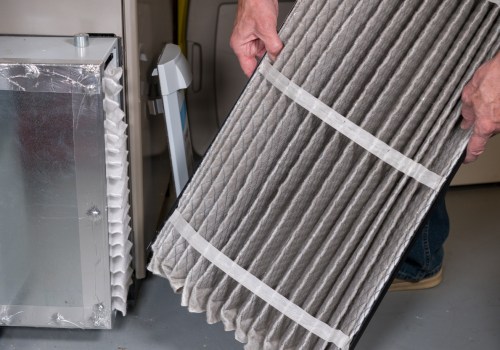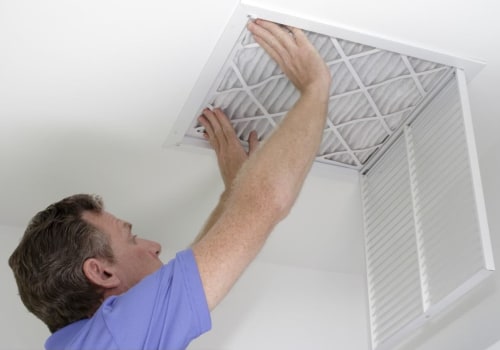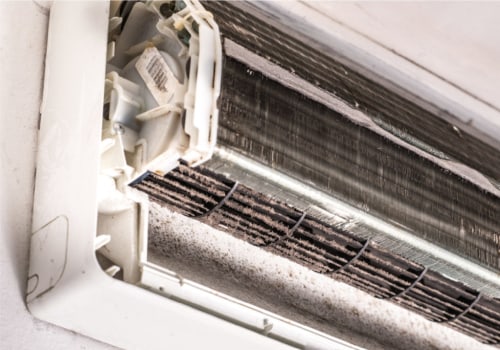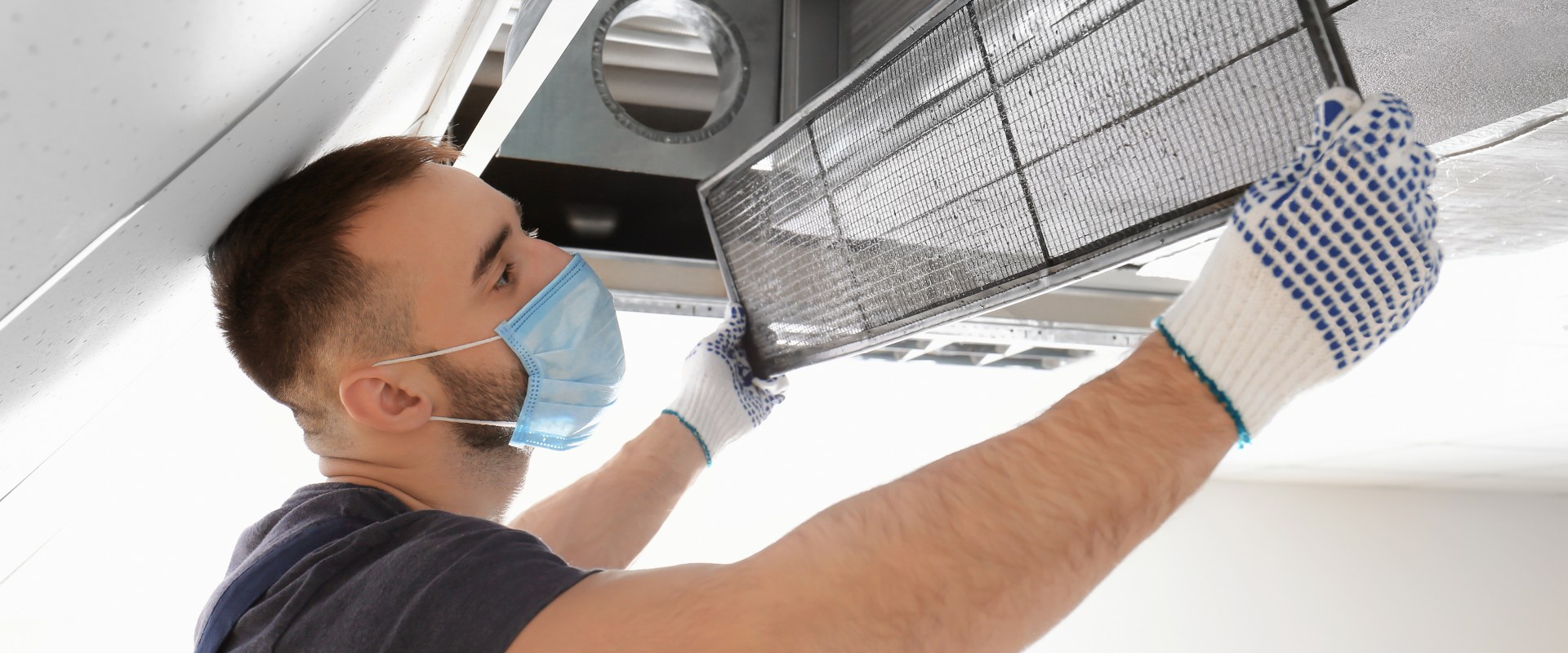
Air filters play a crucial role in maintaining the quality of the air we breathe indoors. They are designed to capture and remove various airborne particles, including dust, pollen, pet dander, mold spores, and even some bacteria and viruses. By doing so, air filters not only enhance the comfort of your living space but also contribute significantly to your overall health and well-being. Understanding what an air filter is and how it functions is essential for anyone looking to improve their indoor air quality.At its core, an air filter is a device that removes contaminants from the air in a room or building.
These filters are typically installed in heating, ventilation, and air conditioning (HVAC) systems, but they can also be found in standalone air purifiers. The primary purpose of an air filter is to trap particles that can cause respiratory issues or exacerbate allergies. This is particularly important for individuals with pre-existing health conditions or sensitivities.There are several types of air filters available on the market, each designed to address specific needs and preferences. Some common types include HEPA filters, activated carbon filters, electrostatic filters, and fiberglass filters.
Each type has its own unique characteristics and efficiency levels when it comes to capturing different sizes and types of particles. For instance, HEPA filters are renowned for their ability to trap 99.97% of particles that are 0.3 microns in size or larger, making them an excellent choice for those seeking superior filtration.In addition to improving air quality, using the right air filter can also enhance the efficiency of your HVAC system. A clean filter allows for better airflow, which can lead to lower energy bills and prolonged equipment life. As we delve deeper into this guide, we will explore the various types of air filters in detail, helping you make an informed decision tailored to your specific needs.
Types of Air Filters: A Comprehensive Overview
When it comes to maintaining a healthy indoor environment, understanding the different types of air filters is essential.Each type serves a unique purpose and offers various benefits and drawbacks. Below, we explore the most common types of air filters available on the market today.
HEPA Filters
High-Efficiency Particulate Air (HEPA) filters are renowned for their ability to trap a significant percentage of airborne particles. To qualify as a HEPA filter, it must capture at least 99.97% of particles that are 0.3 microns in size. This makes them particularly effective against allergens such as pollen, dust mites, and pet dander.- Advantages:
- Exceptional filtration efficiency for small particles.
- Improves overall indoor air quality.
- Recommended for allergy sufferers and those with respiratory issues.
- Disadvantages:
- Can restrict airflow if not changed regularly.
- Typically more expensive than standard filters.
Activated Carbon Filters
Activated carbon filters utilize a porous material that adsorbs odors, gases, and volatile organic compounds (VOCs).These filters are particularly effective in environments where unpleasant smells or chemical pollutants are a concern.
- Advantages:
- Excellent at removing odors from cooking, pets, and smoke.
- Helps in reducing harmful chemicals from the air.
- Disadvantages:
- Less effective at capturing particulate matter compared to HEPA filters.
- Needs to be replaced frequently to maintain effectiveness.
Electrostatic Filters
Electrostatic filters use static electricity to attract and capture particles from the air. They can be either disposable or washable, making them a versatile option for many households.- Advantages:
- Reusable options can save money over time.
- Effective at capturing both large and small particles.
- Disadvantages:
- The effectiveness can diminish if not cleaned regularly.
- May not be as efficient as HEPA filters for very small particles.
How to Choose the Right Air Filter for Your Needs
Choosing the right air filter is crucial for maintaining a healthy indoor environment. With various options available, it’s essential to consider your specific needs and circumstances.Here’s a step-by-step guide to help you navigate the selection process.
1.Assess Your Air Quality Needs
- Allergies: If you or your family members suffer from allergies, look for filters with a high MERV (Minimum Efficiency Reporting Value) rating, ideally between 11 and 13. These filters can capture smaller particles like pollen, dust mites, and pet dander.
- Pets: Households with pets should consider HEPA (High-Efficiency Particulate Air) filters, which are designed to trap pet hair and dander effectively.
- Smoke and Odors: For homes in areas prone to wildfires or with smokers, activated carbon filters can help eliminate smoke and odors in addition to particulate matter.
2.Understand Filter Types
- Fiberglass Filters: These are inexpensive and suitable for basic dust filtration but may not be effective for allergens.
- Pleated Filters: Offering better filtration than fiberglass, pleated filters can capture a wider range of particles and are available in various MERV ratings.
- HEPA Filters: Ideal for allergy sufferers, HEPA filters can trap 99.97% of particles that are 0.3 microns or larger.
- Electrostatic Filters: These filters use static electricity to attract particles, providing efficient filtration without the need for frequent replacements.
3.Consider Your HVAC System
Your heating, ventilation, and air conditioning (HVAC) system may have specific requirements regarding filter size and type. Always check your system’s manual or consult with a professional to ensure compatibility.
4.Evaluate Maintenance Requirements
- Replacement Frequency: Some filters need to be replaced every month, while others can last up to six months or longer. Consider how often you’re willing to change the filter based on your lifestyle.
- Cleaning Options: Washable filters can save money in the long run but require regular cleaning to maintain efficiency.
5.Budget Considerations
The cost of air filters can vary significantly based on type and brand. While it may be tempting to opt for cheaper options, investing in higher-quality filters can lead to better air quality and system efficiency over time.By following these steps and considering your unique circumstances, you can select an air filter that not only meets your needs but also enhances the overall air quality in your home.
Key Features to Consider When Selecting an Air Filter
When it comes to selecting the right air filter, understanding the key features that influence performance and suitability for your home is essential.Here are some critical aspects to consider:
MERV Rating
The Minimum Efficiency Reporting Value (MERV) rating is a crucial factor in determining how effectively an air filter can capture airborne particles. MERV ratings range from 1 to 20, with higher numbers indicating better filtration capabilities. Here’s a breakdown of what different MERV ratings mean:- MERV 1-4: These filters are typically used in residential settings and can capture larger particles like dust and pollen.
- MERV 5-8: Filters in this range are more efficient at trapping smaller particles, including mold spores and pet dander, making them suitable for homes with allergies.
- MERV 9-12: These filters provide excellent filtration for fine dust and smoke particles, ideal for households with respiratory issues.
- MERV 13-16: Often used in hospitals and commercial buildings, these filters can capture bacteria and viruses, providing superior air quality.
- MERV 17-20: These high-efficiency filters are typically reserved for specialized applications, such as clean rooms or industrial settings.
Filter Lifespan
The lifespan of an air filter is another vital consideration. Most filters need to be replaced every 1 to 3 months, but this can vary based on several factors:- Type of Filter: HEPA filters generally last longer than standard fiberglass filters.
- Usage: Homes with pets or smokers may require more frequent changes due to increased particulate matter.
- Environmental Factors: Areas with high pollen counts or pollution may necessitate more regular replacements.
Maintenance Requirements
Understanding the maintenance needs of your chosen air filter is essential for ensuring optimal performance.Some filters require minimal upkeep, while others may need more attention:
- Disposable Filters: These are the most common and easiest to maintain; simply replace them as needed.
- Washable Filters: While they can be reused, they require regular cleaning to maintain efficiency.
- Smart Filters: Some modern filters come equipped with sensors that alert you when it’s time for a change, simplifying maintenance.
The Impact of Air Filters on Indoor Air Quality
Air filters play a crucial role in enhancing indoor air quality, which is essential for maintaining a healthy living environment. The air we breathe indoors can often be more polluted than outdoor air, primarily due to the accumulation of dust, allergens, and other harmful particles. By selecting the right air filter, you can significantly improve the air quality in your home.One of the primary benefits of using an air filter is its ability to capture airborne pollutants.These pollutants can include:
- Dust and dirt: Common household dust can trigger allergies and respiratory issues.
- Pollen: Seasonal allergens can infiltrate your home and exacerbate allergy symptoms.
- Mold spores: High humidity levels can lead to mold growth, which releases spores into the air.
- Pet dander: For pet owners, dander can be a significant source of indoor allergens.
- Volatile organic compounds (VOCs): Emitted from various household products, VOCs can contribute to poor indoor air quality.
A clean filter allows HVAC systems to operate more efficiently, reducing energy consumption and lowering utility bills. This not only contributes to a healthier environment but also promotes sustainability by minimizing energy waste.In conclusion, choosing the appropriate air filter is vital for improving indoor air quality and safeguarding your health. By understanding the types of filters available and their specific capabilities, you can make an informed decision that enhances your living conditions and promotes a healthier lifestyle.
Common Myths About Air Filters Debunked
When it comes to air filters, misinformation can lead to poor choices that affect both air quality and system performance. Here, we will address some of the most prevalent myths surrounding air filters and provide factual insights to help you make informed decisions.- Myth 1: All air filters are the same. This is one of the most common misconceptions.
In reality, air filters vary significantly in terms of efficiency, material, and design. For instance, HEPA filters are designed to capture 99.97% of particles that are 0.3 microns or larger, while standard fiberglass filters may only capture larger particles. Understanding these differences is crucial for selecting the right filter for your needs.
- Myth 2: A higher MERV rating always means better filtration. While a higher Minimum Efficiency Reporting Value (MERV) indicates better filtration capability, it does not always mean it is the best choice for your system. Filters with very high MERV ratings can restrict airflow in some HVAC systems, leading to decreased efficiency and potential damage.
It’s essential to balance filtration needs with your system’s specifications.
- Myth 3: Changing air filters frequently is unnecessary. Some homeowners believe that changing air filters less frequently saves money. However, neglecting to change filters can lead to reduced indoor air quality and increased energy costs due to system strain. Regularly replacing your filter—typically every 1-3 months—ensures optimal performance and cleaner air.
- Myth 4: Air purifiers and air filters are the same. While both devices improve indoor air quality, they serve different purposes. Air purifiers actively remove contaminants from the air using various technologies such as UV light or ionization, whereas air filters primarily trap particles as air passes through them.
Understanding this distinction can help you choose the right solution for your home.
- Myth 5: You only need an air filter if you have allergies. Although individuals with allergies may benefit significantly from high-quality air filtration, everyone can gain from cleaner indoor air. Pollutants such as dust, pet dander, and mold spores can affect anyone’s health over time. Investing in a good air filter is beneficial for overall well-being.
Frequently Asked Questions About Air Filters
When it comes to air filters, many homeowners have questions that can significantly impact their understanding and maintenance of these essential components.Below are some of the most frequently asked questions regarding air filters, along with detailed answers to help clarify common concerns.
What is an air filter and why is it important?
An air filter is a device designed to remove particles such as dust, pollen, mold spores, and pet dander from the air that circulates through your heating and cooling systems. The importance of air filters cannot be overstated; they not only improve indoor air quality but also protect your HVAC system from damage caused by accumulated debris.How often should I change my air filter?
The frequency of changing your air filter depends on several factors, including the type of filter you use, the level of pollutants in your home, and your HVAC system's usage. Generally, it is recommended to check your filter every month and replace it every 1 to 3 months. If you have pets or live in a dusty area, you may need to change it more frequently.What are the different types of air filters?
- Fiberglass Filters: These are the most basic type and are typically inexpensive.
They capture larger particles but do not effectively trap smaller allergens.
- Pleated Filters: Made from polyester or cotton, these filters have a larger surface area and can capture smaller particles more effectively than fiberglass filters.
- HEPA Filters: High-Efficiency Particulate Air (HEPA) filters are designed to trap 99.97% of particles that are 0.3 microns or larger, making them ideal for allergy sufferers.
- Electrostatic Filters: These filters use static electricity to attract and capture particles. They can be washable and reusable, making them a more sustainable option.
How do I know if my air filter needs to be replaced?
There are several signs that indicate it’s time to replace your air filter:- If you notice reduced airflow from your vents.
- If the filter appears visibly dirty or clogged.
- If you experience increased allergy symptoms or respiratory issues in your home.
Can I clean my air filter instead of replacing it?
This depends on the type of filter you have. Some filters, like electrostatic ones, can be cleaned and reused. However, most disposable filters should be replaced rather than cleaned, as washing them can damage their structure and reduce their effectiveness.What happens if I don’t change my air filter?
Neglecting to change your air filter can lead to several issues:- Poor Indoor Air Quality: Accumulated dust and allergens can circulate in your home, exacerbating allergies and respiratory problems.
- Increased Energy Costs: A clogged filter forces your HVAC system to work harder, leading to higher energy bills.
- System Damage: Over time, neglecting your air filter can cause strain on your HVAC system, potentially leading to costly repairs or replacements.
Conclusion: Making an Informed Choice for Your Home's Air Quality
In conclusion, selecting the right air filter is a crucial step in ensuring optimal indoor air quality and enhancing the efficiency of your HVAC system.Throughout this guide, we have explored various types of air filters, their unique features, and the specific benefits they offer. Understanding these elements is essential for making an informed choice that aligns with your home’s needs.To recap, here are some key considerations when choosing an air filter:
- Filter Type: Different filters serve different purposes. HEPA filters are excellent for trapping small particles, while pleated filters offer a balance between efficiency and cost. Consider your specific requirements, such as allergies or pet dander.
- MERV Rating: The Minimum Efficiency Reporting Value (MERV) rating indicates a filter's ability to capture particles of varying sizes.
A higher MERV rating means better filtration but may also restrict airflow if not compatible with your system.
- Filter Size: Ensure that the filter fits your HVAC system properly. An ill-fitting filter can lead to air leaks and reduced efficiency.
- Maintenance and Replacement: Regular maintenance is vital for optimal performance. Be aware of how often you need to replace your filter based on its type and your home’s air quality conditions.
Investing in a high-quality air filter not only improves your indoor air quality but also contributes to a healthier environment.Ultimately, the right air filter can significantly enhance your living space by reducing allergens, improving airflow, and ensuring that your HVAC system operates efficiently. Take the time to assess your specific needs and preferences before making a decision. By doing so, you will create a healthier home environment for you and your family.