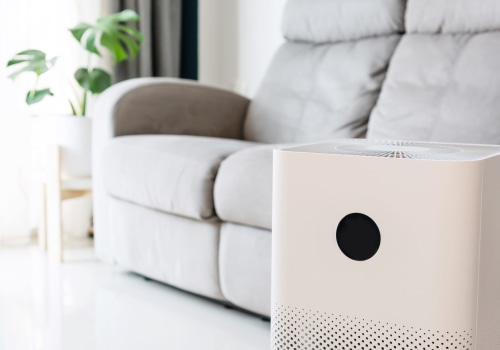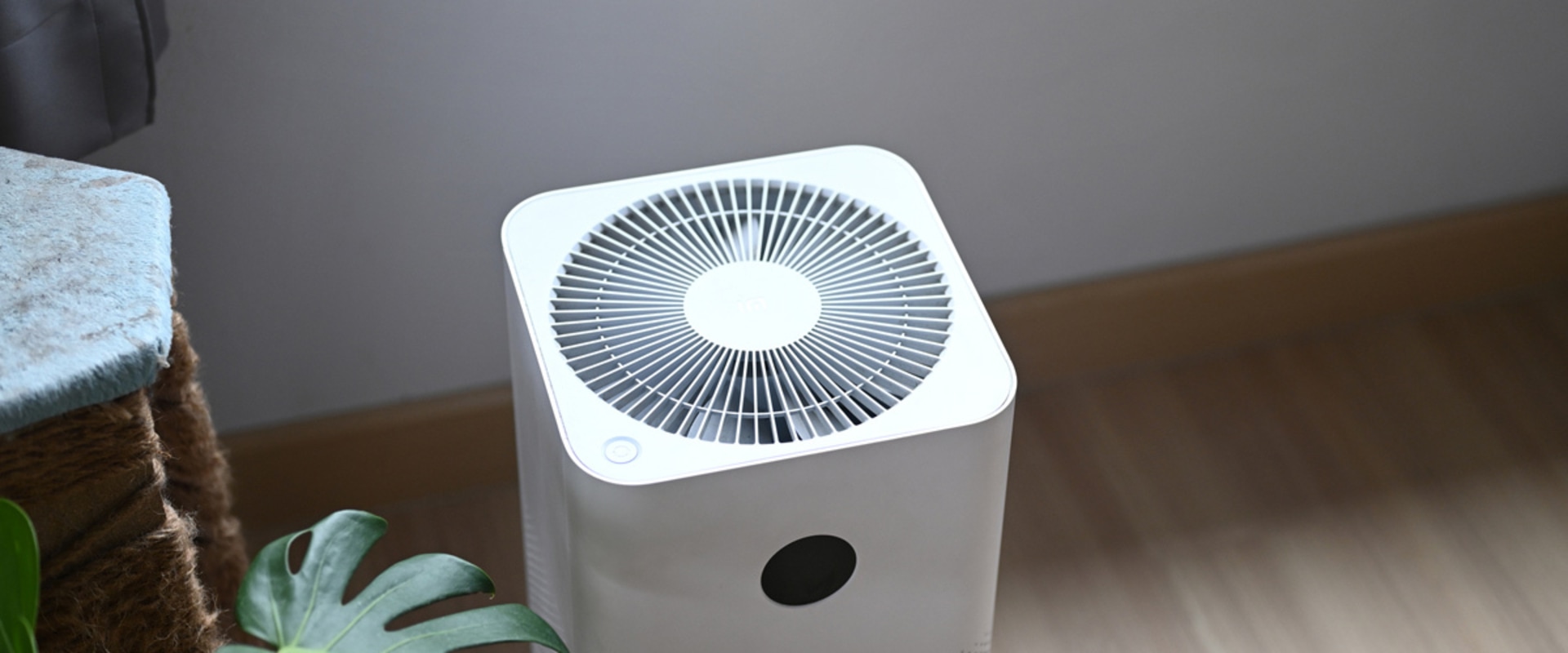
In an era where indoor air quality is becoming increasingly important, understanding air purifiers and their functionality is essential for maintaining a healthy living environment. An air purifier is a device designed to remove contaminants from the air in a room, effectively improving the overall air quality. These devices are particularly beneficial for individuals suffering from allergies, asthma, or other respiratory conditions, as they can significantly reduce the presence of airborne pollutants.So, how do air purifiers work? At their core, these devices utilize various types of air filters to capture and eliminate harmful particles from the air. When air is drawn into the purifier, it passes through one or more filters that trap dust, pollen, pet dander, smoke, and even some bacteria and viruses.
The cleaned air is then circulated back into the room, creating a healthier atmosphere. The effectiveness of an air purifier largely depends on the type of filter it uses and its ability to capture specific pollutants.There are several types of air filters available on the market today, each designed to target different kinds of contaminants. For instance, HEPA filters are renowned for their ability to capture at least 99.97% of particles that are 0.3 microns in size or larger, making them ideal for trapping allergens and fine dust. Other filters, such as activated carbon filters, excel at absorbing odors and volatile organic compounds (VOCs), which can be emitted from household products like paints and cleaners.
Understanding these different filter types is crucial when selecting an air purifier that meets your specific needs.As we delve deeper into the world of air purifiers, it becomes clear that they play a vital role in enhancing indoor air quality. By effectively filtering out harmful pollutants and allergens, these devices not only contribute to a healthier living space but also promote overall well-being. In the following sections, we will explore the various types of air filters in greater detail and discuss how to choose the right air purifier for your home.
The Science Behind Air Filters
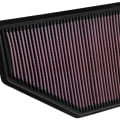
Understanding the different types of air filters used in air purifiers is crucial for making an informed decision about which device is best suited for your needs. Two of the most common types of filters are HEPA filters and activated carbon filters , each designed to tackle specific pollutants in the air.HEPA Filters
High-Efficiency Particulate Air (HEPA)
filters are renowned for their ability to capture a wide range of airborne particles.
To qualify as a true HEPA filter, it must be able to trap at least 99.97% of particles that are 0.3 microns in diameter. This includes common allergens such as:
- Pollen
- Dust mites
- Pet dander
- Mold spores
- Smoke particles
Activated Carbon Filters
Activated carbon filters
, on the other hand, excel at removing gases and odors from the air.
These filters are made from carbon that has been treated to create a vast network of tiny pores, significantly increasing its surface area. This porous structure allows activated carbon to adsorb various volatile organic compounds (VOCs), smoke, and unpleasant odors.While HEPA filters focus on particulate matter, activated carbon filters target:
- Formaldehyde from household products
- Pesticides and herbicides
- Cooking odors
- Pet smells
- Fumes from cleaning agents
Common Myths About Air Purifiers
When it comes to air purifiers, a number of myths and misconceptions can cloud the understanding of their true capabilities.Addressing these myths is essential for making informed decisions about air quality management in your home.
Myth 1: All Air Purifiers Are the Same
One of the most common misconceptions is that all air purifiers function identically. In reality, there are various types of air purifiers, each designed to tackle specific pollutants. For instance, HEPA filters are highly effective at capturing particulate matter like dust and pollen, while activated carbon filters excel at absorbing odors and volatile organic compounds (VOCs). Understanding the differences can help you choose the right device for your needs.
Myth 2: Air Purifiers Eliminate All Pollutants
Another prevalent myth is that air purifiers can eliminate all types of pollutants from indoor air.
While they significantly reduce airborne particles, they may not be effective against gases or certain chemicals. For example, many standard filters do not capture VOCs, which can be emitted from household products like paints and cleaners. Therefore, it’s crucial to select an air purifier that specifically addresses the pollutants present in your environment.
Myth 3: Air Purifiers Are Noisy
Many potential users shy away from purchasing an air purifier due to the belief that they are excessively noisy. While some older models may have been loud, advancements in technology have led to the development of quieter units.
Many modern air purifiers operate at low noise levels, making them suitable for use in bedrooms or offices without causing disturbances.
Myth 4: You Don’t Need to Change Filters Regularly
A common misconception is that once you purchase an air purifier, you can forget about it. In reality, regular maintenance is essential for optimal performance. Filters need to be changed or cleaned according to the manufacturer’s recommendations to ensure that the device continues to function effectively. Neglecting this maintenance can lead to reduced efficiency and even damage to the unit.
Myth 5: Air Purifiers Can Replace Ventilation
Some people believe that air purifiers can serve as a substitute for proper ventilation in a home.
While they can improve indoor air quality by filtering out contaminants, they do not provide fresh outdoor air. Proper ventilation is still necessary to reduce humidity and bring in fresh air, especially in tightly sealed homes.By debunking these myths, consumers can make more informed choices about air purifiers, ensuring they select devices that truly meet their needs and contribute positively to their indoor air quality.
Health Benefits of Using Air Purifiers
Air purifiers have gained popularity in recent years, and for good reason. The potential health benefits associated with these devices can significantly enhance the quality of life for many individuals, particularly those with respiratory issues or allergies. Understanding how air purifiers work and their impact on indoor air quality is essential for anyone considering an investment in one.One of the primary advantages of using an air purifier is their ability to reduce allergens in the home.Common allergens such as pollen, dust mites, pet dander, and mold spores can trigger allergic reactions and exacerbate asthma symptoms. Air purifiers equipped with HEPA filters are particularly effective at capturing these tiny particles, which can be as small as 0.3 microns. By filtering out these allergens, air purifiers can create a more comfortable living environment for those sensitive to such irritants.In addition to allergens, air purifiers also play a crucial role in reducing harmful pollutants present in indoor air. Volatile organic compounds (VOCs), which are emitted from household products like paints, cleaning supplies, and furniture, can contribute to poor air quality and various health issues.
Some advanced air purifiers utilize activated carbon filters that can absorb these gases, helping to mitigate their effects on health.Moreover, studies have indicated that improved indoor air quality can lead to better overall health outcomes. For instance, individuals with chronic respiratory conditions may experience fewer symptoms when using an air purifier regularly. This is particularly important for vulnerable populations such as children and the elderly, who may be more susceptible to the adverse effects of poor air quality.While the direct correlation between air purifiers and health improvements is still being researched, many users report noticeable changes in their well-being after incorporating these devices into their homes. Enhanced sleep quality, reduced frequency of headaches, and fewer respiratory infections are just a few benefits that have been documented by users.In conclusion, investing in an air purifier can be a proactive step towards improving your indoor air quality and overall health.
By effectively reducing allergens and pollutants, these devices not only contribute to a cleaner environment but also promote better health outcomes for you and your family.
Choosing the Right Air Purifier for Your Needs
When it comes to selecting the right air purifier, understanding your specific needs is crucial. With a variety of options available, making an informed choice can significantly enhance your indoor air quality. Here are some key factors to consider:- Room Size: One of the first steps in choosing an air purifier is to assess the size of the room where it will be used. Air purifiers come with different Clean Air Delivery Rate (CADR) ratings, which indicate how effectively they can filter air in a given space.
For optimal performance, select a model that matches or exceeds the square footage of your room.
- Filter Type: The type of filter used in an air purifier plays a vital role in its effectiveness.
HEPA filters
are highly recommended as they can capture at least 99.97% of particles that are 0.3 microns in size, including dust, pollen, and pet dander. If you are concerned about odors or gases, look for models that include activated carbon filters, which can absorb volatile organic compounds (VOCs) and other harmful gases. - Certifications: When shopping for an air purifier, it’s essential to look for certifications from reputable organizations. The Asthma and Allergy Foundation of America (AAFA) certifies products that are effective for allergy sufferers.
Additionally, check for Energy Star ratings to ensure energy efficiency.
- Noisy Operation: Consider the noise level of the air purifier, especially if you plan to use it in a bedroom or office. Many models offer multiple fan speeds, allowing you to adjust the noise level according to your preference.
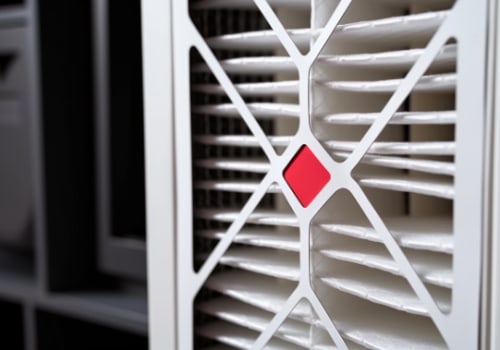
- Maintenance and Filter Replacement: Regular maintenance is necessary for optimal performance. Check how often filters need to be replaced and factor this into your budget. Some models come with filter change indicators to remind you when it’s time for a replacement.
Additionally, consider features like pre-filters that can capture larger particles before they reach the HEPA filter, extending its lifespan.In summary, choosing the right air purifier involves evaluating room size, filter type, certifications, noise levels, and maintenance requirements. By taking these factors into account, you can find an air purifier that not only meets your needs but also contributes significantly to improving your indoor air quality.
Maintenance and Care for Air Purifiers
To ensure that your air purifier operates at peak efficiency, regular maintenance and care are essential. Neglecting these tasks can lead to reduced performance and a shorter lifespan for your device. Here are some key maintenance tips to keep your air purifier functioning optimally.Regularly Check and Replace Air Filters
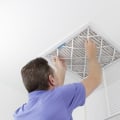
The air filter is the heart of any air purifier, and its condition directly impacts the device's effectiveness.Most manufacturers recommend checking the filter every month, especially if you use the purifier frequently or have pets. Here are some guidelines for filter maintenance:
- Replace HEPA Filters: If your air purifier uses a HEPA filter, it typically needs replacement every 6 to 12 months, depending on usage and the manufacturer's recommendations.
- Wash Pre-Filters: Some models come with pre-filters that can be washed. Clean these every 1-3 months to prevent dust buildup.
- Monitor Filter Indicators: Many modern air purifiers have built-in indicators that alert you when it's time to replace or clean the filter. Pay attention to these signals.
Cleaning the Air Purifier
In addition to changing filters, keeping the exterior and interior of your air purifier clean is crucial.Dust and debris can accumulate on the unit, affecting airflow and efficiency. Follow these steps for effective cleaning:
- Wipe Down Surfaces: Use a soft, damp cloth to wipe down the outer surfaces of the air purifier regularly. Avoid using harsh chemicals that could damage the unit.
- Vacuum Vents: Use a vacuum cleaner with a brush attachment to gently clean any vents or grilles on the unit. This helps maintain proper airflow.
- Check for Obstructions: Ensure that there are no obstructions around the air intake and output areas.
This will help maintain optimal airflow and performance.
Follow Manufacturer Guidelines
Each air purifier model may have specific maintenance requirements outlined in its user manual. Always refer to these guidelines for detailed instructions on cleaning and replacing filters. Adhering to these recommendations will not only enhance performance but also extend the life of your device.By implementing these maintenance practices, you can ensure that your air purifier continues to provide clean, fresh air in your home, maximizing its benefits for you and your family.Air Quality Testing: A Step Before Buying an Air Purifier
Before investing in an air purifier, it is crucial to understand the specific air quality issues present in your home. Conducting a home air quality test can provide valuable insights into the types and levels of pollutants that may be affecting your indoor environment.This proactive approach not only helps you make informed decisions but also ensures that you select an air purifier that effectively addresses your unique needs.There are several methods for testing indoor air quality , ranging from DIY kits to professional assessments. Here are some common approaches:
- DIY Air Quality Test Kits: These kits are widely available and typically include tools to measure levels of common indoor pollutants such as volatile organic compounds (VOCs), carbon dioxide, and particulate matter. They often come with instructions on how to collect samples and interpret the results.
- Professional Air Quality Assessments: Hiring a certified indoor air quality professional can provide a comprehensive analysis of your home’s air. These experts use advanced equipment to measure various pollutants and can offer tailored recommendations based on their findings.
- Monitoring Devices: Some homeowners opt for continuous monitoring devices that track air quality over time.
These devices can provide real-time data on pollutant levels, allowing you to identify patterns and potential sources of contamination.
- Dust and Allergens: Particles such as dust mites, pet dander, and pollen can trigger allergies and respiratory issues.
- Volatile Organic Compounds (VOCs): Emitted from household products like paints, cleaners, and furniture, VOCs can contribute to poor indoor air quality.
- Mold Spores: High humidity levels can lead to mold growth, releasing spores into the air that can cause health problems.
- Carbon Dioxide: Elevated levels of CO2 can indicate inadequate ventilation, which may lead to discomfort and reduced cognitive function.
The Role of Air Purifiers in Overall Indoor Air Quality Management
Managing indoor air quality (IAQ) is essential for creating a healthy living environment. While air purifiers play a significant role in this process, they are just one component of a comprehensive strategy aimed at improving the air we breathe indoors.To effectively manage IAQ, it is crucial to consider various factors, including ventilation, pollutant sources, and the use of air filtration systems.One of the primary ways to enhance indoor air quality is through proper ventilation. This involves ensuring that fresh outdoor air circulates within the home while allowing stale air to escape. Opening windows and doors when weather permits can significantly reduce indoor pollutant levels. Additionally, using exhaust fans in kitchens and bathrooms helps remove moisture and contaminants generated during cooking and bathing.In conjunction with ventilation, reducing sources of indoor pollution is vital.
Common household items such as cleaning products, paints, and even furniture can emit volatile organic compounds (VOCs) that degrade air quality. Opting for low-VOC or VOC-free products can minimize these emissions. Furthermore, regular cleaning practices—such as dusting and vacuuming with a HEPA filter—can help eliminate dust mites, pet dander, and other allergens that contribute to poor IAQ.While these practices are essential, air purifiers serve as an effective tool for capturing airborne particles and improving overall air quality. They work by filtering out pollutants such as dust, pollen, smoke, and pet dander from the air.
When selecting an air purifier, it is important to choose one equipped with a high-efficiency particulate air (HEPA) filter, which can trap at least 99.5% of particles that are 3 microns or larger.Moreover, some advanced models also include activated carbon filters that can absorb odors and gases, further enhancing their effectiveness in managing indoor air quality. However, it is crucial to remember that not all air purifiers are created equal; some may produce ozone or other harmful byproducts. Therefore, consumers should look for units certified by reputable organizations.In summary, while air purifiers are an important part of improving indoor air quality, they should be used in conjunction with good ventilation practices and efforts to reduce pollutant sources. By adopting a holistic approach to IAQ management, homeowners can create a healthier living space that supports overall well-being.
Frequently Asked Questions About Air Purifiers
When considering the purchase of an air purifier, many consumers have questions that can significantly influence their decision.Below are some of the most frequently asked questions about air purifiers, along with clear and informative answers.
1.Do I really need an air purifier?
The necessity of an air purifier largely depends on your living environment and personal health needs. If you live in an area with high levels of pollution, suffer from allergies, or have respiratory conditions such as asthma, an air purifier can be beneficial. These devices help to reduce airborne contaminants, providing cleaner air for you and your family.2.What types of pollutants can air purifiers remove?
Air purifiers are designed to capture a variety of pollutants, including:- Dust and Pollen: Common allergens that can trigger respiratory issues.
- Smoke: Particulate matter from tobacco or cooking can be effectively filtered out.
- Mold Spores: These can thrive in humid environments and contribute to health problems.
- Pet Dander: A significant allergen for many households with pets.
- Volatile Organic Compounds (VOCs): Gases emitted from certain solids or liquids, often found in household products.
3.How do I choose the right air purifier?
Selecting the right air purifier involves considering several factors:- Filter Type: Look for models with HEPA filters, which are effective at capturing small particles.
- Room Size: Ensure the purifier is rated for the size of the room where it will be used.
- No Ozone Emission: Avoid purifiers that produce ozone as a byproduct, as this can be harmful to health.
- Noise Level: Consider how loud the unit is, especially if it will be used in a bedroom or quiet space.
4.How often should I replace the filters?
The frequency of filter replacement varies by model and usage. Generally, HEPA filters should be replaced every 6 to 12 months, while pre-filters may need changing more frequently.Always refer to the manufacturer's guidelines for specific recommendations.
5.Can air purifiers help with COVID-19?
While air purifiers cannot eliminate the virus that causes COVID-19, they can reduce airborne particles and other contaminants in your home. Using a HEPA filter can help capture respiratory droplets that may carry viruses, contributing to a healthier indoor environment.By addressing these common questions, consumers can make informed decisions about whether an air purifier is a worthwhile investment for their home and health needs.Conclusion: Making Informed Decisions About Air Purifiers
In conclusion, understanding the nuances of air purifiers is essential for making informed decisions that can significantly impact your indoor air quality. Throughout this article, we have explored various aspects of air purifiers, including their functionality, types of filters, and the myths surrounding their effectiveness.One of the most critical takeaways is the importance of selecting an air purifier equipped with a high-quality air filter, particularly those that utilize HEPA technology. These filters are designed to capture a vast majority of airborne particles, including dust, pollen, and pet dander, which can contribute to respiratory issues and allergies.However, it is equally important to recognize that not all air purifiers are created equal; some may even release harmful ozone gas as a byproduct.Moreover, while air purifiers can enhance indoor air quality, they should not be viewed as a standalone solution. It is vital to address the root causes of indoor pollution by improving ventilation and reducing sources of contaminants. Regular cleaning and maintenance of your living space can further complement the benefits provided by an air purifier.When considering an investment in an air purifier, take the time to research models that have been certified by reputable organizations. Look for those with favorable Clean Air Delivery Rate (CADR) ratings and ensure they are suitable for the size of your room.
Additionally, consider conducting a home air quality test to identify specific pollutants present in your environment.Ultimately, making an informed decision about purchasing an air purifier involves separating fact from fiction. By understanding the capabilities and limitations of these devices, you can choose one that best meets your needs and contributes positively to your overall health and well-being.