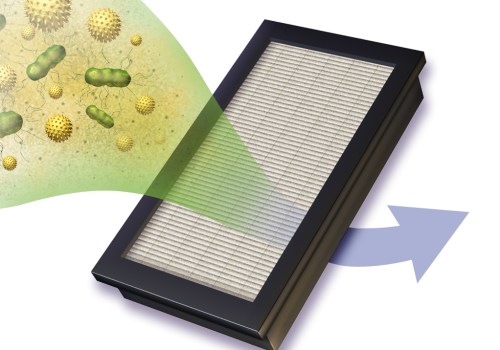
Air filters are a crucial component of any HVAC (Heating, Ventilation, and Air Conditioning) system, serving as the first line of defense against airborne pollutants. These filters are designed to capture dust, pollen, pet dander, mold spores, and other microscopic particles that can compromise indoor air quality. By effectively trapping these contaminants, air filters help ensure that the air circulating throughout your home is clean and safe to breathe. Understanding the role of air filters is essential for homeowners who want to maintain a healthy living environment and optimize the performance of their HVAC systems.The primary function of an air filter is to prevent harmful particles from entering the HVAC system and subsequently being released back into your home.
When air passes through the filter, it encounters a mesh or fibrous material that captures these unwanted substances. Over time, however, this filter can become clogged with debris, reducing its effectiveness and leading to a host of problems. Not only does a dirty filter allow pollutants to circulate in your home, but it also forces your HVAC system to work harder to maintain desired temperatures, which can lead to increased energy consumption and premature wear on system components.In addition to improving air quality, air filters play a vital role in protecting other components of the HVAC system. For instance, they help keep the evaporator coils clean by preventing dust and dirt from accumulating on them.
Clean coils are essential for efficient heat exchange, which is necessary for both heating and cooling your home effectively. Neglecting to change or clean your air filter regularly can result in reduced airflow, leading to overheating or freezing of the coils and potentially causing costly repairs.In summary, understanding what an air filter is and its critical role within HVAC systems is fundamental for any homeowner. Regular maintenance of these filters not only enhances indoor air quality but also contributes significantly to the longevity and efficiency of your heating and cooling systems. By prioritizing air filter maintenance, you can create a healthier living space while also saving money on energy bills and repair costs.
Health Implications of Neglecting Air Filter Changes
Neglecting to change your air filter can have serious health implications, primarily due to the deterioration of indoor air quality.When air filters become clogged with dust, pollen, pet dander, and other pollutants, they can no longer effectively trap these harmful particles. As a result, these contaminants circulate throughout your home, leading to a range of health issues.One of the most immediate effects of poor indoor air quality is the exacerbation of respiratory issues. Individuals with asthma or allergies may experience increased symptoms such as wheezing, coughing, and shortness of breath. Even those without pre-existing conditions can suffer from irritation in the respiratory tract, which can manifest as:
- Chronic cough
- Throat irritation
- Increased susceptibility to respiratory infections
Studies have linked poor air quality to long-term conditions such as:
- Chronic obstructive pulmonary disease (COPD)
- Cardiovascular diseases
- Lung cancer
By maintaining clean filters, you not only improve the air quality in your home but also create a healthier living environment for you and your family. This simple yet effective task can significantly reduce the presence of harmful particles in the air you breathe.In conclusion, the importance of changing your air filter cannot be overstated when it comes to safeguarding your health. Clean air is essential for maintaining good health and preventing a host of respiratory and other health-related issues. Make it a habit to check and replace your air filter regularly to ensure that you are breathing clean, healthy air.
How Clogged Air Filters Affect HVAC System Performance
When it comes to maintaining your HVAC system, one of the most critical yet often overlooked components is the air filter.A clogged air filter can significantly hinder the performance of your HVAC system, leading to a cascade of issues that can affect both comfort and costs.
Impact on Energy Efficiency
A clogged air filter restricts airflow, forcing your HVAC system to work harder to circulate air throughout your home. This increased workload not only leads to higher energy consumption but also results in inflated utility bills. In fact, studies have shown that a dirty filter can reduce the system's efficiency by as much as 15%. Over time, this inefficiency can add up, costing homeowners hundreds of dollars annually.
Potential System Failures
In addition to energy inefficiency, a clogged air filter can lead to serious mechanical problems within your HVAC system.
When airflow is restricted, the evaporator coils can freeze due to insufficient heat exchange. This freezing can cause the system to shut down entirely, leading to costly repairs and extended downtime. Furthermore, components such as the blower motor may overheat and fail prematurely due to excessive strain, resulting in even more expensive repairs.
Financial Implications of Neglecting Filter Maintenance
The financial implications of neglecting regular air filter changes extend beyond just higher energy bills and repair costs. A well-maintained HVAC system not only operates more efficiently but also has a longer lifespan.
By failing to change your air filter regularly, you risk shortening the life of your entire system, which could necessitate an expensive replacement sooner than expected.In summary, the importance of regularly changing your air filter cannot be overstated. Not only does it enhance HVAC system performance, but it also promotes energy efficiency and helps avoid costly repairs. By investing a small amount of time and money into regular maintenance, you can ensure that your HVAC system runs smoothly and efficiently for years to come.
Signs That Your Air Filter Needs Changing
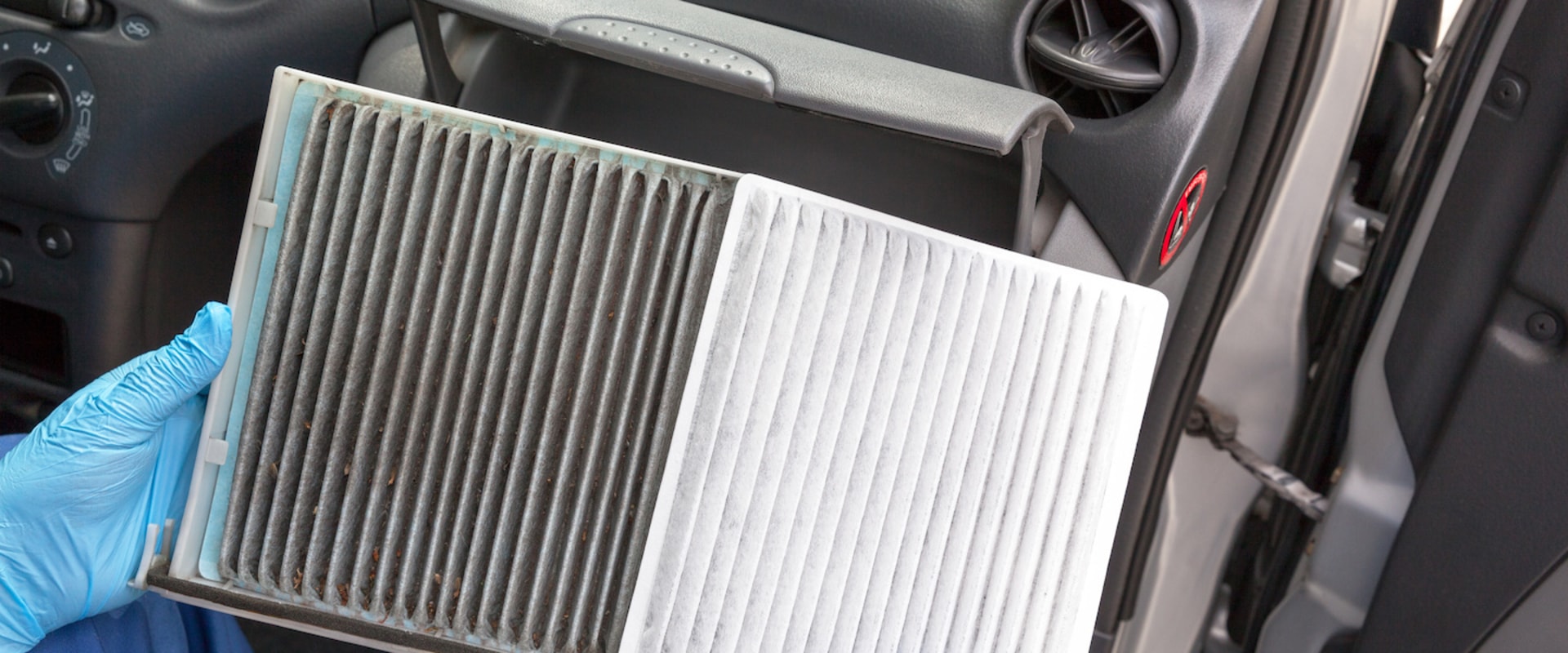
Recognizing when to change your air filter is crucial for maintaining a healthy indoor environment and ensuring the efficiency of your HVAC system. Here are some key signs that indicate it’s time to replace your air filter:- Visual Inspection: One of the simplest ways to determine if your air filter needs changing is through a visual check.
If the filter appears dark, dusty, or clogged with debris, it’s time for a replacement. A clean filter should be relatively white or light in color, depending on the type of filter you use.
- Reduced Airflow: If you notice that the airflow from your vents has diminished, this could be a sign that your air filter is obstructed. A clogged filter restricts airflow, making your HVAC system work harder to circulate air, which can lead to increased energy costs and potential system damage.
- Increased Energy Bills: A sudden spike in your energy bills can indicate that your HVAC system is overworking due to a dirty air filter. When airflow is restricted, the system consumes more energy to maintain the desired temperature, leading to higher utility costs.
- Allergy Symptoms: If you or your family members start experiencing allergy symptoms such as sneezing, coughing, or itchy eyes more frequently, it may be due to poor indoor air quality caused by a dirty air filter.
Regularly changing the filter can help reduce allergens in your home.
- Unpleasant Odors: A musty or stale smell coming from your HVAC system can indicate that the air filter is saturated with dust and contaminants. Replacing the filter can help eliminate these odors and improve overall air quality.
- Create a Schedule: Set a reminder on your calendar to check and replace your air filter regularly. Depending on usage and environmental factors, this could be monthly or every few months.
- Choose the Right Filter: Select an air filter with an appropriate MERV rating for your home’s needs. Higher-rated filters capture smaller particles but may need more frequent changes.
- Keep an Eye on Usage: If you have pets or live in a dusty area, you may need to change your filter more often than someone in a cleaner environment.
Recommended Frequency for Changing Air Filters
Understanding how often to change your air filter is crucial for maintaining both indoor air quality and the efficiency of your HVAC system.While there are general guidelines, the specific frequency can vary based on several factors, including the type of filter, household size, and seasonal changes.
General Guidelines for Air Filter Replacement
- Standard Fiberglass Filters: These basic filters should typically be replaced every 30 days. They are less effective at trapping smaller particles but are commonly used due to their low cost.
- Pleated Filters: With a higher MERV rating, pleated filters can last up to 90 days. They are more efficient at capturing dust, pollen, and other allergens, making them a better choice for households with allergy sufferers.
- High-Efficiency Filters: These filters can last anywhere from 6 months to a year, depending on usage and environmental factors. They are designed to capture even the smallest particles and are ideal for those who want superior air quality.
Factors Influencing Filter Change Frequency
Several factors can affect how often you should change your air filter:- Household Size: Larger households with more occupants tend to generate more dust and debris, necessitating more frequent filter changes.
If you have pets, you may need to change your filter even more often due to pet dander.
- Seasonal Changes: During peak seasons—such as summer and winter—when heating or cooling systems are in heavy use, it’s advisable to check your filters monthly. Increased usage can lead to quicker clogging.
- Location: Homes in dusty or polluted areas may require more frequent changes. If you live near construction sites or in urban environments, consider changing your filter every month.
Seasonal Maintenance Tips
In addition to regular changes, seasonal maintenance is essential:- Spring: As pollen counts rise, consider changing your filter at the start of the season to combat allergens.
- Summer: With air conditioning running continuously, check filters monthly and replace as needed.
- Fall: Prepare for heating season by replacing filters before you turn on your furnace.
- winter: Monitor filters closely during cold months when heating systems work harder.
Choosing the Right Air Filter for Your Needs
When it comes to maintaining a healthy indoor environment, selecting the right air filter is crucial. With a variety of options available, understanding the different types of air filters and their respective MERV ratings can help you make an informed decision tailored to your specific needs.Types of Air Filters
- Fiberglass Filters: These are the most basic and affordable filters.
They are designed to capture larger particles like dust and lint but are not very effective against smaller contaminants.
- Pleated Filters: Made from polyester or cotton, pleated filters have a larger surface area, allowing them to trap more particles. They are more efficient than fiberglass filters and can last longer, making them a popular choice for homeowners.
- HEPA Filters: High-Efficiency Particulate Air (HEPA) filters are designed to capture 99.97% of particles that are 0.3 microns or larger. They are ideal for individuals with allergies or respiratory issues, as they significantly improve indoor air quality.
- Electrostatic Filters: These filters use static electricity to attract and trap particles. They can be washable and reusable, making them an eco-friendly option.
However, their effectiveness can vary based on the design and material used.
- Carbon Filters: Often used in conjunction with other types of filters, carbon filters excel at removing odors and volatile organic compounds (VOCs) from the air. They are particularly beneficial in homes with pets or smokers.
MERV Ratings Explained
The Minimum Efficiency Reporting Value (MERV) rating system helps consumers understand how well an air filter can capture particles of different sizes. MERV ratings range from 1 to 16, with higher numbers indicating better filtration capabilities. Here’s a quick breakdown:- MERV 1-4: Basic filtration; captures large particles like dust and pollen.
- MERV 5-8: Better at trapping smaller particles; suitable for general home use.
- MERV 9-12: Effective for allergens; recommended for homes with pets or allergy sufferers.
- MERV 13-16: High-efficiency filters; ideal for those with severe allergies or respiratory conditions.
Best Air Filters for Home Use
Choosing the best air filter for your home depends on several factors, including your health needs, budget, and HVAC system compatibility.For most households, a pleated filter with a MERV rating between 8 and 12 strikes a good balance between cost and efficiency. If you have specific health concerns or live in an area with high pollution levels, investing in a HEPA filter may be worthwhile despite the higher initial cost.Ultimately, regularly changing your air filter is just as important as choosing the right one. A well-chosen filter will not only improve your indoor air quality but also enhance the efficiency and longevity of your HVAC system.
DIY vs. Professional Air Filter Replacement: What You Need to Know
When it comes to replacing your air filter, homeowners often face the decision of whether to tackle the task themselves or hire a professional.Each option has its own set of advantages and disadvantages, and understanding these can help you make an informed choice.
DIY Air Filter Replacement
- Cost-Effective: One of the primary benefits of changing your air filter yourself is the cost savings. Air filters are relatively inexpensive, and doing it yourself eliminates labor costs associated with hiring a technician.
- Convenience: Changing the filter on your own schedule can be more convenient than waiting for a professional to become available. This flexibility allows you to maintain your HVAC system without disrupting your daily routine.
- Empowerment: Many homeowners find satisfaction in performing maintenance tasks themselves. It can be empowering to take control of your home’s air quality and HVAC efficiency.
- Knowledge Required: If you’re unfamiliar with your HVAC system, you may struggle to locate the filter or understand how to replace it correctly.
Incorrect installation can lead to further issues down the line.
- Time-Consuming: For those who are not handy or lack experience, the process may take longer than anticipated, especially if you encounter unexpected complications.
When to Call an HVAC Technician
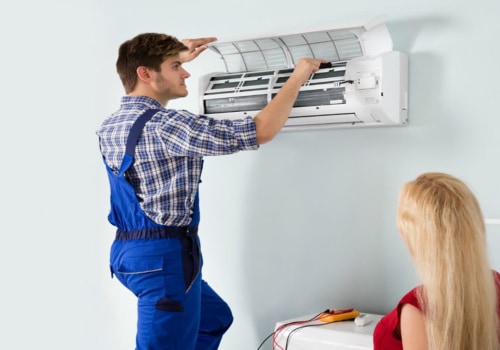
While many homeowners can successfully change their air filters, there are situations where professional help is advisable:
- If you have a complex HVAC system with multiple filters or unique configurations, a technician can ensure that everything is handled correctly.
- If you notice unusual noises, smells, or performance issues when changing the filter, it’s best to consult a professional. These could be signs of underlying problems that require expert attention.
- If you’re unsure about which type of filter is best for your system or how often it should be changed, an HVAC technician can provide valuable guidance tailored to your specific needs.
DIY Tips for Air Filter Replacement
If you decide to go the DIY route, here are some tips to ensure a successful air filter replacement:
- Turn Off Your HVAC System: Always turn off your heating or cooling system before attempting to change the filter to avoid any accidents.
- Check the Size: Make sure you know the correct size of the air filter needed for your system. This information is usually printed on the side of the existing filter.
- Select the Right MERV Rating: Choose a filter with an appropriate MERV rating for your home’s needs. Higher ratings trap smaller particles but may restrict airflow if not compatible with your system.
- Follow Instructions: Refer to your HVAC system’s manual for specific instructions on how to replace the air filter properly.
By weighing the pros and cons and following best practices, you can ensure that your home maintains optimal air quality and HVAC efficiency.
The Financial Benefits of Regularly Changing Your Air Filter
Regularly changing your air filter is not just a matter of health and comfort; it also has significant financial implications. By maintaining a consistent schedule for air filter replacement, homeowners can experience substantial cost savings in several key areas.Cost Savings on Energy Bills
One of the most immediate financial benefits of changing your air filter is the reduction in energy bills. A clean air filter allows for optimal airflow within your HVAC system, which means that the system does not have to work as hard to circulate air throughout your home. When the filter is clogged, the system struggles to pull air through, leading to increased energy consumption.In fact, studies have shown that a dirty air filter can increase energy usage by up to 15%.
Enhanced HVAC Efficiency
Efficiency is key when it comes to HVAC systems. A well-maintained system operates more effectively, which translates into lower operational costs. By changing your air filter regularly, you ensure that your HVAC system runs at peak efficiency. This not only helps in reducing energy consumption but also prolongs the lifespan of the unit.An efficient system is less likely to encounter issues that require costly repairs or replacements.
Long-Term Savings on Repairs
Neglecting to change your air filter can lead to a cascade of problems within your HVAC system. Over time, a clogged filter can cause components such as the blower motor and evaporator coils to overheat and fail. These repairs can be expensive, often costing hundreds or even thousands of dollars. By simply replacing your air filter on a regular basis, you can avoid these costly repairs and extend the life of your HVAC system.Conclusion
In summary, the financial benefits of regularly changing your air filter are clear.From immediate savings on energy bills to long-term reductions in repair costs, maintaining a clean air filter is an investment in both your home’s comfort and your wallet. By prioritizing this simple task, you can enjoy a more efficient HVAC system and peace of mind knowing you are protecting your financial interests.
Conclusion: Prioritizing Air Filter Maintenance for a Healthier Home Environment
In conclusion, the significance of regularly changing your air filter cannot be overstated. As we have explored throughout this article, the air filter plays a crucial role in maintaining not only the quality of the air you breathe but also the overall efficiency and longevity of your HVAC system. By prioritizing air filter maintenance, you are taking proactive steps towards ensuring a healthier home environment for you and your family.To recap, a clean air filter effectively traps dust, allergens, and other harmful particles, significantly improving indoor air quality.This is especially important for individuals with respiratory issues or allergies, as poor air quality can exacerbate these conditions. Regularly changing your air filter can help mitigate these health risks and promote a more comfortable living space.Moreover, neglecting to change your air filter can lead to increased energy consumption. A clogged filter forces your HVAC system to work harder to circulate air, resulting in higher utility bills. By replacing the filter on a regular basis, you can enhance airflow and reduce energy costs by up to 15%.
This not only benefits your wallet but also contributes to a more sustainable environment.Additionally, maintaining a clean air filter protects the integrity of your HVAC system. A well-functioning system is less likely to experience breakdowns and costly repairs. By investing a small amount of time and money into regular filter changes, you can extend the lifespan of your HVAC equipment and avoid unexpected expenses down the line.In light of these points, it is essential to establish a routine for checking and changing your air filter. Whether you choose to do it yourself or enlist the help of an HVAC professional, make it a priority.
Set reminders on your calendar or use seasonal changes as cues to check your filters. Your health, comfort, and finances will thank you for it.Ultimately, taking action now will lead to long-term benefits. A simple task like changing your air filter can have profound effects on your home environment. Embrace this responsibility as part of your home maintenance routine and enjoy the peace of mind that comes with knowing you are providing a safe and healthy space for yourself and your loved ones.