Air filters are essential components of any HVAC (Heating, Ventilation, and Air Conditioning) system, playing a critical role in maintaining indoor air quality and system efficiency. At their core, air filters are designed to trap dust, pollen, pet dander, and other airborne particles, preventing them from circulating throughout your home. This not only helps to keep the air you breathe cleaner but also protects the internal mechanisms of your HVAC system from damage caused by accumulated debris.The function of an air filter extends beyond mere filtration. By capturing contaminants, these filters help to reduce allergens and irritants in the air, which is particularly beneficial for individuals with respiratory issues or allergies.
A clean air filter allows for optimal airflow, ensuring that your HVAC system operates efficiently. When the filter is clogged with dirt and dust, it forces the system to work harder, leading to increased energy consumption and higher utility bills.There are several types of air filters available on the market, each designed for specific needs and preferences.
- Fiberglass Filters: These are the most basic type of air filter, made from layered fiberglass strands. They are inexpensive but offer minimal filtration.
- Pleated Filters: Made from polyester or cotton, pleated filters have a larger surface area that captures more particles compared to fiberglass filters.
They are more efficient and last longer.
- HEPA Filters: High-Efficiency Particulate Air (HEPA) filters are designed to trap 99.97% of particles that are 0.3 microns or larger. They are ideal for those with allergies or asthma.
- Electrostatic Filters: These filters use static electricity to attract and capture particles. They can be washable and reusable, making them a cost-effective option over time.
Why Regularly Changing Your Air Filter is Crucial
Regularly changing your air filter is not just a minor household chore; it is a critical component of maintaining a healthy living environment and ensuring the efficiency of your HVAC system.The air filter plays a vital role in trapping dust, allergens, and other pollutants that can compromise indoor air quality. When you neglect to change it, the consequences can be significant.
Impact on Air Quality
A clean air filter is essential for maintaining good air quality in your home. Over time, filters accumulate dust, pet dander, pollen, and other contaminants. When the filter becomes clogged, it can no longer effectively capture these particles.
As a result, they are released back into the air you breathe, potentially leading to health issues such as:
- Allergies and asthma attacks
- Respiratory infections
- Chronic fatigue
- Headaches and dizziness
Energy Efficiency and Cost Savings
A dirty air filter forces your HVAC system to work harder to circulate air throughout your home. This increased workload not only leads to higher energy consumption but also results in elevated utility bills. In fact, studies have shown that replacing a clogged filter can improve energy efficiency by up to 15%. By investing a small amount of time and money into regular filter changes, you can save significantly on your energy costs.
Prolonging HVAC System Lifespan
Another crucial reason for changing your air filter is to extend the lifespan of your HVAC system.
A clogged filter puts unnecessary strain on the system's components, leading to wear and tear that can result in costly repairs or even complete system failure. Regularly replacing the air filter helps maintain optimal airflow and reduces the risk of breakdowns, ultimately saving you money on repairs and replacements.
Conclusion
The importance of regularly changing your air filter cannot be overstated. From improving indoor air quality to enhancing energy efficiency and prolonging the life of your HVAC system, this simple task has far-reaching benefits. Make it a habit to check and replace your air filters every 1-3 months, depending on usage and environmental factors, to ensure a comfortable and healthy home.
Health Implications of a Clogged Air Filter
Maintaining a clean air filter is not just a matter of efficiency for your HVAC system; it is crucial for your health and well-being.A clogged air filter can significantly impact the quality of air circulating in your home, leading to various health risks that can affect everyone, especially those with pre-existing conditions.
Respiratory Issues
One of the most concerning health implications of a dirty air filter is the potential for respiratory problems. When an air filter becomes saturated with dust, pollen, and other pollutants, it fails to trap these harmful particles effectively. As a result, these contaminants can re-enter the air you breathe, increasing the risk of respiratory issues such as:
- Asthma attacks: For individuals with asthma, poor air quality can trigger severe attacks, leading to difficulty breathing and other complications.
- Chronic bronchitis: Long-term exposure to polluted air can exacerbate chronic bronchitis symptoms, making it harder for individuals to manage their condition.
- Infections: Dirty air can also increase susceptibility to respiratory infections, as airborne pathogens are more likely to circulate in unfiltered air.
Allergies and Air Quality
For allergy sufferers, a clogged air filter can be particularly problematic. Dust mites, mold spores, pet dander, and pollen are common allergens that can accumulate in your home.
When these allergens are not effectively filtered out, they can lead to:
- Increased allergy symptoms: Symptoms such as sneezing, runny nose, itchy eyes, and skin irritations can worsen when allergens are present in high concentrations.
- Sinus infections: Poor air quality can contribute to sinus congestion and infections due to the buildup of irritants in the nasal passages.
- Worsening asthma symptoms: Allergens can trigger asthma symptoms even in those who typically manage their condition well.
The Importance of Clean Air
The significance of maintaining clean air in your home cannot be overstated. Regularly changing your air filter is a simple yet effective way to ensure that you and your family breathe cleaner air. By doing so, you not only protect your health but also enhance your overall quality of life. Clean air contributes to better sleep, improved concentration, and a general sense of well-being.In conclusion, neglecting to change your air filter poses serious health risks that extend beyond mere discomfort.
By prioritizing this essential maintenance task, you safeguard your family's health and create a more comfortable living environment.
Signs That Your Air Filter Needs Changing
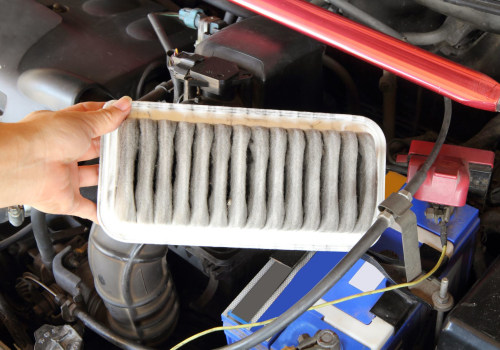
Recognizing when your air filter needs to be changed is crucial for maintaining both your HVAC system's efficiency and your home's air quality. Here are some key indicators to help you determine if it's time for a replacement:- Visual Inspection: One of the simplest ways to check your air filter is through a visual inspection. If you notice that the filter appears dark, dusty, or clogged with debris, it’s a clear sign that it needs to be replaced. A clean filter should be relatively light in color and free from significant buildup.
- Airflow Issues: If you experience reduced airflow from your vents, this could indicate that your air filter is clogged.
When the filter is dirty, it restricts airflow, making it harder for your HVAC system to circulate air throughout your home. You might notice that certain rooms are not receiving adequate heating or cooling.
- Increased Energy Bills: A sudden spike in your energy bills can be a telltale sign of a dirty air filter. When the filter is obstructed, your HVAC system has to work harder to maintain the desired temperature, leading to higher energy consumption and costs.
- Unpleasant Odors: If you start to notice musty or stale odors coming from your vents, it may be due to a dirty air filter. Accumulated dust and allergens can create unpleasant smells as they circulate through your home.
- Allergy Symptoms: If you or your family members begin experiencing increased allergy symptoms such as sneezing, coughing, or itchy eyes, it could be linked to poor indoor air quality caused by a clogged air filter.
A dirty filter fails to trap allergens effectively, allowing them to circulate in the air.
- HVAC System Short Cycling: If your HVAC system frequently turns on and off in short intervals, this could indicate that the air filter is restricting airflow. This short cycling can lead to unnecessary wear and tear on the system and may result in costly repairs.
How Often Should You Change Your Air Filter?
Determining how often to change your air filter is crucial for maintaining optimal air quality and ensuring the efficiency of your HVAC system. The frequency of replacement can vary significantly based on several factors, including the type of filter you use, the size of your household, and the environmental conditions in your area.Type of Air Filter
The type of air filter you choose plays a significant role in how often it needs to be replaced.Here are some common types:
- Fiberglass Filters: These are the most basic and least expensive filters. They typically need to be changed every 30 days.
- Pleated Filters: More efficient than fiberglass filters, pleated filters can last anywhere from 3 to 6 months, depending on usage.
- HEPA Filters: High-Efficiency Particulate Air (HEPA) filters are designed to trap very small particles and can last up to 12 months if maintained properly.
Household Size and Lifestyle
The number of people living in your home and their lifestyle habits can also affect how often you should change your air filter. For example:- If you have pets, you may need to replace your filter more frequently—every 1 to 2 months—due to the increased hair and dander.
- Homes with multiple occupants or children may also require more frequent changes, as higher activity levels can lead to more dust and allergens circulating in the air.
- If anyone in your household suffers from allergies or respiratory issues, consider changing the filter every month to maintain better air quality.
Environmental Conditions
Your local environment can significantly impact how often you should replace your air filter. For instance:- If you live in an area with high levels of dust or pollen, you may need to change your filter every month.
- During seasons when outdoor air quality is poor, such as wildfire season or heavy pollen seasons, more frequent changes may be necessary.
- In contrast, if you live in a cleaner environment with minimal outdoor pollutants, you might extend the replacement schedule to every 6 months or longer.
Regular maintenance not only prolongs the life of your system but also contributes positively to your family's health and comfort.
Choosing the Right Air Filter for Your Home
Choosing the right air filter for your home is crucial for maintaining optimal air quality and ensuring the efficiency of your HVAC system. With a variety of options available, understanding the differences between them can help you make an informed decision that suits your specific needs.Types of Air Filters
- Fiberglass Filters: These are the most basic type of air filters. They are inexpensive and designed to protect your HVAC system from larger particles like dust and lint. However, they do not effectively trap smaller pollutants such as pollen or pet dander.
- Pleated Filters: Made from polyester or cotton, pleated filters have a larger surface area, allowing them to capture more particles.
They are more efficient than fiberglass filters and can trap allergens, making them a better choice for households with allergy sufferers.
- HEPA Filters: High-Efficiency Particulate Air (HEPA) filters are designed to capture 99.97% of particles that are 0.3 microns or larger. They are ideal for those with severe allergies or respiratory issues, as they effectively trap dust mites, mold spores, and pet dander.
- Activated Carbon Filters: These filters contain activated carbon that absorbs odors and harmful gases in addition to trapping particles. They are particularly useful in homes with pets or cooking odors.
- Electrostatic Filters: Utilizing static electricity, these filters attract and capture particles more effectively than standard filters. They can be washable and reusable, making them a cost-effective option in the long run.
How to Choose an Air Filter
When selecting an air filter, consider the following factors:
- Allergy Considerations: If anyone in your household suffers from allergies or asthma, opt for a HEPA filter or a high-efficiency pleated filter to ensure maximum allergen removal.
- Filter MERV Rating: The Minimum Efficiency Reporting Value (MERV) rating indicates how well a filter captures particles.
A higher MERV rating means better filtration but may also restrict airflow. Aim for a balance that suits your HVAC system's specifications.
- Cost and Maintenance: Consider both the initial cost of the filter and its longevity. Some filters require more frequent changes than others, which can impact overall expenses.
- Specific Needs: If you have pets or live in an area with high pollution levels, choose filters designed to handle these specific challenges.
The Impact of Dirty Air Filters on HVAC Systems
When it comes to maintaining your HVAC system, the condition of your air filter plays a crucial role. A dirty air filter can significantly hinder the efficiency of your heating and cooling systems, leading to a cascade of problems that can escalate over time.As air filters become clogged with dust, dirt, and other particulates, they restrict airflow.This restriction forces your HVAC system to work harder to circulate air throughout your home. The increased workload not only leads to higher energy consumption but also accelerates wear and tear on the system's components. Over time, this can result in:
- Increased Energy Bills: A struggling HVAC system consumes more energy, which translates into higher utility bills. Homeowners may notice a significant spike in their monthly expenses, often without understanding the root cause.
- Reduced Lifespan: Just like any machine, HVAC systems have a finite lifespan.
When components are overworked due to a dirty air filter, they are more likely to fail prematurely. This can lead to costly repairs or even the need for a complete system replacement.
- Frequent Breakdowns: A neglected air filter can lead to frequent system malfunctions. As the system struggles to maintain desired temperatures, it may shut down unexpectedly or require more frequent servicing.
Dust and allergens that would typically be trapped by a clean filter can circulate freely in your home, exacerbating allergies and respiratory conditions.In summary, maintaining clean air filters is not merely a matter of convenience; it is essential for ensuring the efficiency and longevity of your HVAC system. Regularly changing your air filter can save you money in the long run by preventing unnecessary repairs and enhancing the overall comfort of your living environment.
DIY Tips for Changing Your Air Filter
Changing your air filter is a straightforward task that can significantly improve your home's air quality and the efficiency of your HVAC system. Here’s a step-by-step guide to help you through the process of replacing your air filter.- Gather Your Supplies: Before you begin, make sure you have everything you need. You will require a new air filter, a screwdriver (if necessary), and possibly a vacuum cleaner to remove any dust around the filter area.
- Turn Off Your HVAC System: Safety first! Always turn off your heating or cooling system before attempting to change the air filter.
This prevents any unintentional damage to the system and ensures your safety.
- Locate the Air Filter: The air filter is typically found in one of three places: in the return air duct, in the blower compartment, or near the furnace or air handler. If you're unsure where to find it, consult your HVAC system's manual.
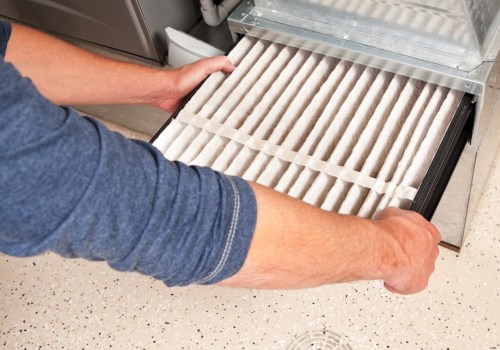
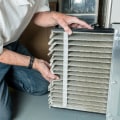
- Remove the Old Filter: Carefully slide out the old air filter. Be cautious as it may be covered in dust and debris. If it’s stuck, gently wiggle it free without applying too much force.
- Check the Filter Size: Before purchasing a new filter, check the size of the old one.
Most filters have their dimensions printed on the side. Make sure to get an exact match for optimal performance.
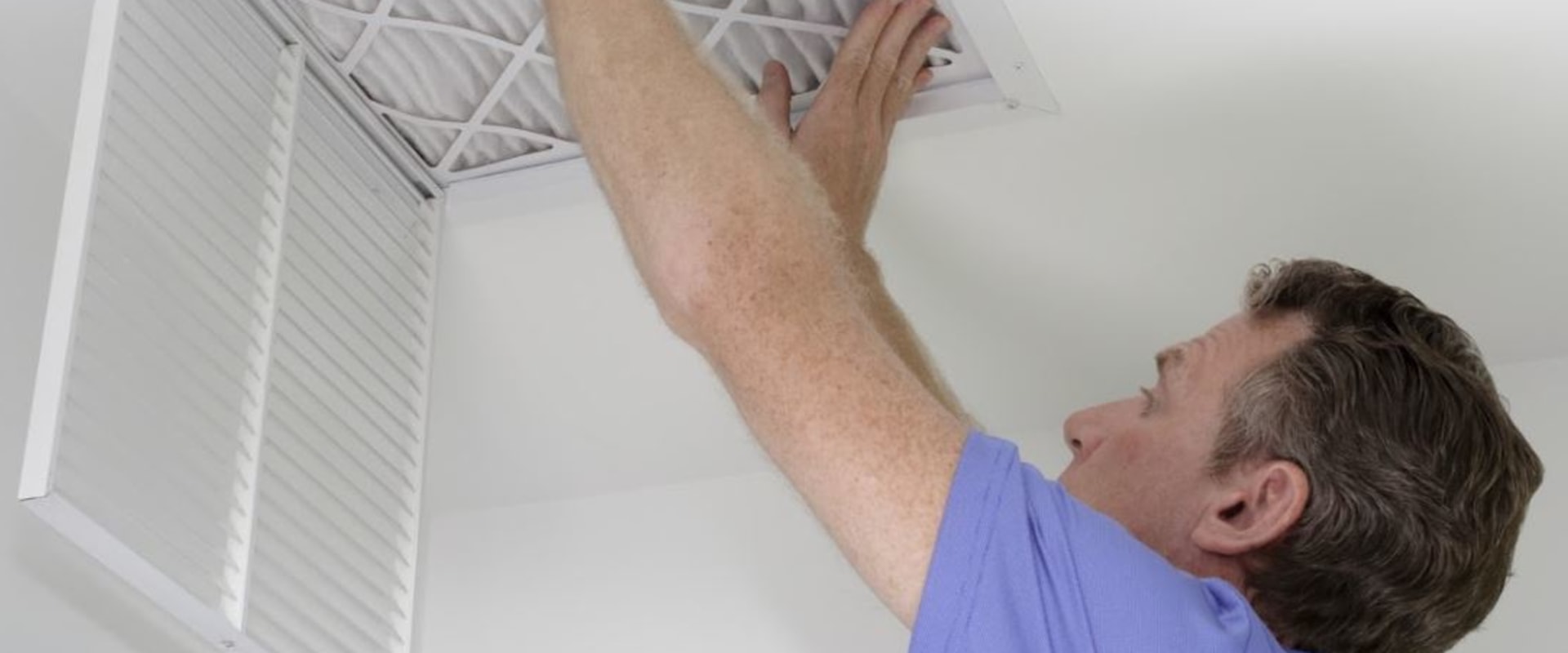
- Install the New Filter: When inserting the new filter, pay attention to the airflow direction indicated by arrows on the filter frame. Ensure it fits snugly into place without any gaps.
- Clean the Area: Use a vacuum cleaner to remove any dust or debris from around the filter compartment. This helps maintain good airflow and keeps your HVAC system running efficiently.
- Turn Your HVAC System Back On: Once everything is in place, turn your system back on and check for proper operation.
Listen for any unusual noises that might indicate an issue with installation.
<strong>Conclusion</strong>
In conclusion, the significance of regularly changing your home’s air filter cannot be overstated. This simple yet crucial maintenance task plays a vital role in ensuring both the efficiency of your HVAC system and the health of your household. By keeping your air filter clean, you not only enhance the performance of your heating and cooling systems but also contribute to a healthier indoor environment.Throughout this article, we have explored several key benefits associated with maintaining a clean air filter:- Improved Air Quality: A clean air filter effectively traps dust, pollen, pet dander, and other airborne pollutants, significantly improving the quality of air you breathe.
This is especially important for individuals with allergies or respiratory conditions.
- Energy Efficiency: When an air filter is clogged, it forces your HVAC system to work harder to circulate air. This increased workload can lead to higher energy consumption and inflated utility bills. Regularly changing the filter helps maintain optimal airflow and reduces energy costs.
- Extended Equipment Lifespan: A well-maintained HVAC system is less likely to experience breakdowns. By changing your air filter on a regular basis, you reduce strain on the system, which can prolong its lifespan and save you from costly repairs or replacements.
- Enhanced Comfort: Consistent airflow and improved temperature regulation contribute to a more comfortable living environment.
A clean air filter helps maintain consistent heating and cooling throughout your home.