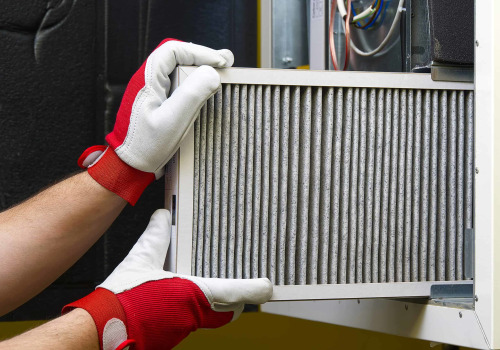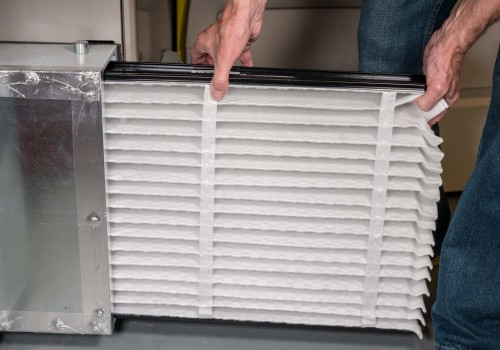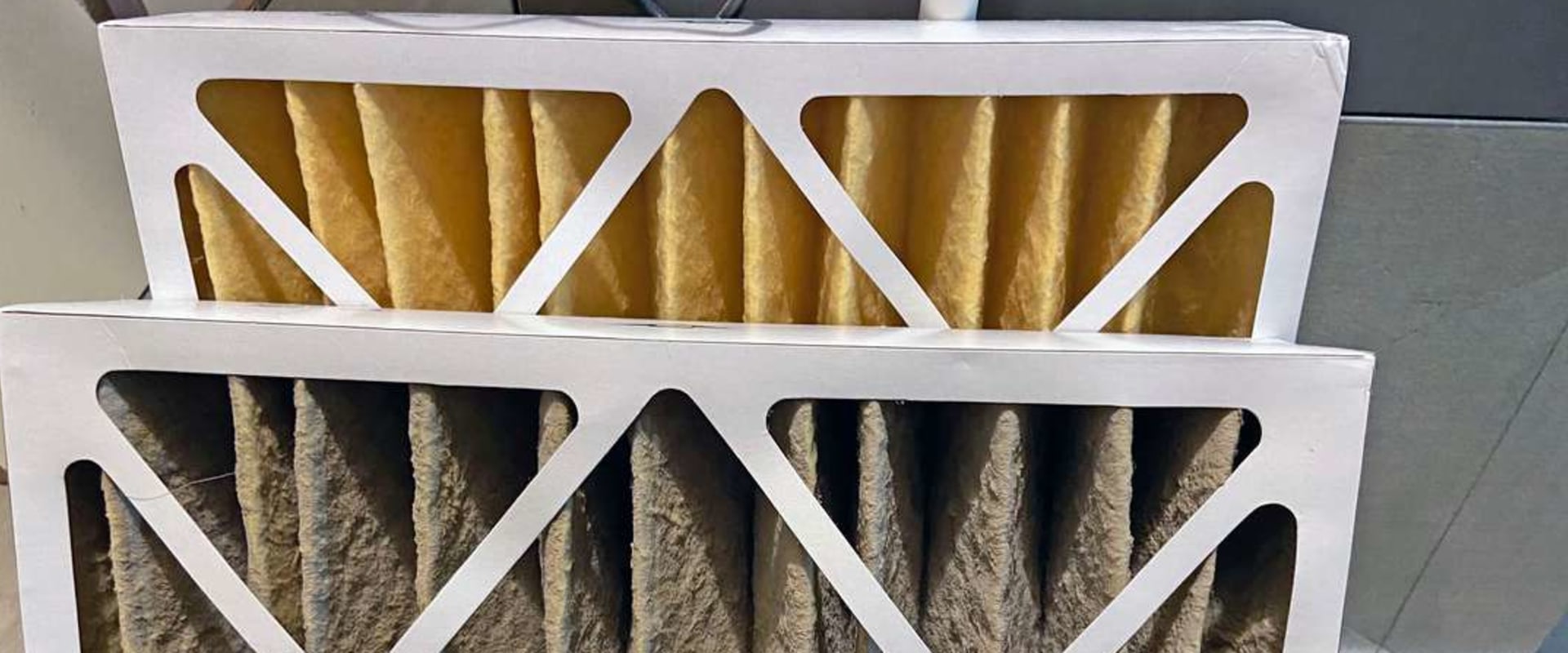
Air filters play a crucial role in maintaining the quality of the air we breathe indoors. They are designed to capture and remove various airborne particles, including dust, pollen, pet dander, and other allergens, ensuring that the air circulating through your home is clean and healthy. By filtering out these contaminants, air filters not only improve indoor air quality but also help protect your HVAC system from damage caused by dust buildup. This is particularly important as a well-maintained system operates more efficiently, leading to lower energy bills and a longer lifespan for your equipment.There are several types of air filters available on the market, each with its own unique features and benefits.
The most common types include fiberglass filters, pleated filters, HEPA filters, and electrostatic filters. Fiberglass filters are typically the least expensive option and are designed to capture larger particles; however, they may not be as effective at trapping smaller allergens. Pleated filters , on the other hand, have a larger surface area and can capture finer particles, making them a popular choice for homeowners looking for better filtration. HEPA filters are known for their high efficiency in removing up to 99.97% of particles as small as 0.3 microns, making them ideal for individuals with allergies or respiratory issues.
Lastly, electrostatic filters use static electricity to attract and trap particles, providing an effective solution for those seeking a reusable option.The importance of selecting the right air filter cannot be overstated. A quality air filter not only enhances your indoor air quality but also contributes to the overall efficiency of your HVAC system. When air filters become clogged with dirt and debris, they restrict airflow, forcing your system to work harder to maintain the desired temperature. This increased strain can lead to higher energy consumption and potential breakdowns over time.
Therefore, understanding the different types of air filters available and their respective benefits is essential for making informed decisions that will ultimately lead to a healthier living environment.
Why Changing Air Filters is Essential
Changing air filters regularly is not just a matter of routine maintenance; it is essential for several reasons that directly impact your health, the efficiency of your HVAC system, and your overall energy costs. Understanding these benefits can help you appreciate the importance of this simple yet vital task.1.Improved Indoor Air Quality
One of the most significant benefits of changing air filters is the enhancement of indoor air quality. Air filters are designed to trap dust, pollen, pet dander, and other airborne particles. Over time, as these filters become clogged with contaminants, their ability to purify the air diminishes.
A dirty air filter can lead to an accumulation of allergens and pollutants in your home, which can exacerbate respiratory issues and allergies. By replacing your air filter regularly, you ensure that your living environment remains clean and healthy.
2.Enhanced HVAC Efficiency
A clean air filter allows for better airflow throughout your HVAC system. When filters are dirty or clogged, the system has to work harder to circulate air, leading to increased wear and tear on components. This inefficiency can result in higher energy consumption and ultimately shorten the lifespan of your HVAC system.
Regularly changing your air filter helps maintain optimal airflow, ensuring that your system operates efficiently and effectively.
3.Energy Savings
Neglecting to change your air filter can lead to increased energy bills. When your HVAC system struggles to push air through a dirty filter, it consumes more energy to maintain the desired temperature in your home. According to the U. S.
Department of Energy, replacing a dirty filter can lower your energy consumption by 5% to 15%. This translates into significant savings over time, making regular filter changes not just a health consideration but also a financial one.
4.Prevention of System Damage
Dirty air filters can cause various issues within your HVAC system, including overheating and potential breakdowns. When airflow is restricted due to a clogged filter, components like the blower motor may overheat, leading to costly repairs or replacements. By changing your air filter on schedule, you help prevent these problems from arising.
5.Better Comfort Levels
A clean air filter contributes to maintaining consistent temperatures throughout your home.
When airflow is unrestricted, your HVAC system can more effectively regulate indoor temperatures, providing a comfortable living environment year-round.In summary, regularly changing your air filters is crucial for maintaining good indoor air quality, enhancing HVAC efficiency, saving on energy costs, preventing system damage, and ensuring comfort in your home. Ignoring this simple maintenance task can lead to a host of problems that affect both health and finances.
How Often Should You Change Your Air Filter?
Determining how often to change your air filter is crucial for maintaining a healthy indoor environment and ensuring your HVAC system operates efficiently. The frequency of replacement can vary significantly based on several factors, including the type of filter you use, the conditions in your home, and how often your HVAC system runs.General Guidelines for Air Filter Replacement
- Fiberglass Filters: These basic filters should be replaced approximately every 30 days. They are less effective at trapping smaller particles and tend to clog quickly.
- Pleated Filters: Typically made from a denser material, pleated filters can last between 90 days to 6 months.
However, their lifespan depends on usage and environmental factors.
- HEPA Filters: High-Efficiency Particulate Air (HEPA) filters are designed to last longer, often up to 12 months. They are ideal for households with allergy sufferers or pets.
Factors Influencing Replacement Frequency
While the above guidelines provide a baseline, several factors can necessitate more frequent changes:
- Household Size: More occupants mean more dust, dander, and other particulates in the air. If you have a larger family, consider changing your filter every 60 days.
- Pets: If you have furry friends at home, their hair and dander can clog filters quickly. In such cases, changing the filter every 4-6 weeks is advisable.
- Location: Homes in dusty or dry climates may require more frequent changes due to higher levels of airborne particles.
- HVAC System Usage: If your system runs continuously or frequently due to extreme weather conditions, you may need to replace the filter more often.
Signs It’s Time to Change Your Air Filter
Monitoring your air filter for signs of wear is essential.
Here are some indicators that it’s time for a replacement:
- If you notice a visible layer of dust or dirt on the filter surface.
- If your HVAC system is running longer than usual or struggling to maintain temperature.
- If you experience increased allergy symptoms or respiratory issues indoors.
Factors Influencing Air Filter Replacement Frequency
When it comes to maintaining a healthy indoor environment, understanding the factors influencing air filter replacement frequency is crucial. Several elements can dictate how often you should change your air filter, ensuring optimal performance of your HVAC system and improved air quality.1.Presence of Pets
One of the most significant factors affecting air filter change frequency is the presence of pets in your home. Pets, especially those with long hair, can contribute to a substantial amount of dander and hair that circulates through your HVAC system. This accumulation can quickly clog an air filter, reducing its efficiency.- Pet Hair and Dander: If you have multiple pets or long-haired breeds, consider changing your air filter every 30 to 45 days.
This will help maintain better air quality and prevent allergens from building up.
- Allergy Considerations: For households with allergy sufferers, more frequent changes may be necessary to minimize exposure to pet-related allergens.
2.Local Climate Conditions
The climate in which you live plays a pivotal role in determining how often you should replace your air filter. Areas with high levels of dust, pollen, or humidity can lead to quicker filter saturation.- Dusty Environments: If you reside in a dry or dusty area, your air filter will likely collect particles more rapidly. In such cases, consider changing it every month to ensure efficient airflow and filtration.
- Pollen Seasons: During spring and fall, pollen levels can spike dramatically. If you live in a region where these seasons are pronounced, increasing the frequency of filter changes during these times can help maintain indoor air quality.
3.Household Size and Activity Level
The number of occupants in your home and their activity levels can also influence how often you should change your air filter.More people generate more dust and debris, which can clog filters faster.
- High Occupancy: In homes with several residents or frequent visitors, consider changing the air filter every 30 to 60 days to accommodate the increased load on your HVAC system.
- Active Lifestyles: If your household is particularly active—think children playing indoors or frequent cooking—this can also contribute to faster accumulation of particulates in the air.
Choosing the Right Air Filter for Your Home
Choosing the right air filter for your home is crucial for maintaining good indoor air quality and ensuring the efficiency of your HVAC system. With a variety of options available, it can be overwhelming to determine which filter best suits your needs. Here are some key factors to consider when selecting an air filter.Understanding MERV Ratings
The Minimum Efficiency Reporting Value (MERV) rating is a standard that measures the effectiveness of air filters in trapping particles.MERV ratings range from 1 to 16, with higher numbers indicating better filtration capabilities. Here’s a breakdown of what different MERV ratings mean:
- MERV 1-4: These filters are typically fiberglass and are designed to capture larger particles like dust and pollen. They are not very effective against smaller allergens.
- MERV 5-8: These filters can trap smaller particles, including mold spores and pet dander, making them a better choice for households with pets or allergy sufferers.
- MERV 9-12: Filters in this range provide excellent filtration for smaller particles and are ideal for homes with asthma or allergy concerns.
- MERV 13-16: These high-efficiency filters can capture very small particles, including smoke and bacteria, making them suitable for those with severe allergies or respiratory issues.
Factors to Consider When Choosing an Air Filter
When selecting an air filter, consider the following factors:- Home Environment: If you live in a dusty area or have pets, opt for a filter with a higher MERV rating to effectively capture pet hair and dander.
- Allergies and Health Concerns: For individuals with allergies or respiratory issues, a filter rated MERV 11 or higher is recommended to ensure cleaner air.
- HVAC System Compatibility: Ensure that the filter you choose is compatible with your HVAC system. Some systems may require specific types of filters.
- Filter Type: Consider whether you want disposable filters or washable ones.
Disposable filters are convenient but need regular replacement, while washable filters can save money in the long run.
How to Change Your Air Filter: A Step-by-Step Guide
Changing your air filter is a straightforward task that can significantly improve your indoor air quality and the efficiency of your HVAC system. Follow this step-by-step guide to ensure you do it correctly and safely.- Gather Your Supplies: Before you begin, make sure you have everything you need. You will require:
- A new air filter that fits your HVAC system
- A vacuum cleaner or a damp cloth for cleaning
- A ladder (if necessary) to reach high vents
- Safety gloves (optional)
- Turn Off Your HVAC System: For safety reasons, always turn off your heating or cooling system before changing the air filter.
This prevents any dust or debris from being circulated while you work.
- Locate the Air Filter: Identify where your air filter is located. Common places include:
- In the return air duct
- Near the furnace or air handler
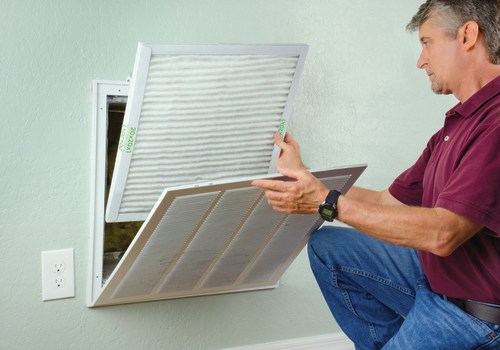
- In wall-mounted units
- Remove the Old Filter: Carefully slide out the old air filter. Take note of how it is positioned, as this will help you install the new one correctly. If the filter is particularly dirty, consider wearing a mask to avoid inhaling dust.
- Inspect and Clean the Area: Before inserting the new filter, check for any dust buildup in the filter slot.
Use a vacuum cleaner or a damp cloth to clean the area thoroughly.
- Install the New Filter: Take your new air filter and ensure it is oriented correctly. Most filters have arrows indicating airflow direction; make sure these arrows point towards the HVAC unit. Slide the new filter into place gently but firmly.
- Turn Your HVAC System Back On: Once the new filter is securely in place, turn your heating or cooling system back on. This will allow it to operate efficiently with improved airflow.
- Check for Proper Fit: After turning on your system, listen for any unusual noises that might indicate an improper fit.
If everything sounds normal, you’ve successfully changed your air filter!
Common Mistakes When Changing Air Filters
Changing air filters is a straightforward task, yet many homeowners make common mistakes that can compromise the effectiveness of their HVAC systems. Understanding these pitfalls can help you maintain better air quality and prolong the life of your equipment.1.Choosing the Wrong Filter Size
One of the most frequent errors is selecting an air filter that does not fit properly. Filters come in various sizes, and using one that is too small or too large can lead to air leaks, reducing efficiency.
Always check the dimensions specified in your HVAC system’s manual or on the old filter before purchasing a replacement.
2.Ignoring MERV Ratings
Another common mistake is neglecting the MERV (Minimum Efficiency Reporting Value) rating of the filter. While higher MERV ratings indicate better filtration, they can also restrict airflow if your system isn’t designed for them. Consult your HVAC professional to determine the appropriate MERV rating for your system.
3.Failing to Turn Off the System
Many homeowners forget to turn off their HVAC system before changing the air filter. This oversight can lead to dirt and debris being sucked into the system, potentially causing damage or reducing efficiency.
Always ensure that your system is powered down before beginning any maintenance.
4.Not Checking for Airflow Direction
When installing a new filter, it’s crucial to pay attention to the airflow direction indicated on the filter frame. Installing it backward can obstruct airflow, leading to increased energy consumption and strain on your HVAC system.
5.Overlooking Regular Maintenance
Some homeowners believe that changing their air filters is a one-time task and neglect regular maintenance. It’s essential to establish a routine schedule for checking and replacing filters based on usage and environmental factors. Setting reminders can help ensure you don’t forget this vital task.
6.Disregarding Filter Condition
Lastly, simply replacing filters without assessing their condition can be a mistake.
Filters can become clogged faster than expected due to factors like pets, dust, or high usage. Regularly inspect your filters for dirt buildup and replace them as needed, even if it hasn’t been the recommended time frame.By avoiding these common mistakes when changing air filters, you can enhance your indoor air quality and ensure your HVAC system operates efficiently. Proper installation and maintenance are key components in achieving optimal performance from your heating and cooling systems.
FAQs About Air Filters and Their Maintenance
When it comes to maintaining your HVAC system, understanding air filters is crucial. Here are some frequently asked questions that can help clarify common concerns and misconceptions about air filters and their maintenance.What is the purpose of an air filter?
An air filter serves to trap dust, dirt, pollen, and other airborne particles, preventing them from circulating through your home.This not only helps maintain cleaner indoor air quality but also protects your HVAC system from damage caused by accumulated debris.
How do I know which air filter to choose?
Choosing the right air filter depends on several factors, including:- Type of HVAC system: Ensure compatibility with your specific system.
- MERV rating: Look for a Minimum Efficiency Reporting Value (MERV) rating that suits your needs. Higher ratings indicate better filtration.
- Allergies or asthma: If you or someone in your household suffers from respiratory issues, consider filters designed for allergy relief.
How often should I check my air filter?
It’s advisable to check your air filter at least once a month. This allows you to monitor its condition and determine if it needs replacing sooner than the recommended schedule. If you notice significant dirt buildup or if your HVAC system is running inefficiently, it may be time for a change.Can I clean my air filter instead of replacing it?
While some reusable filters can be cleaned and reused, most disposable filters are designed for one-time use.Cleaning a disposable filter can damage its structure and reduce its effectiveness. Always refer to the manufacturer’s instructions regarding maintenance.
What are the signs that my air filter needs to be changed?
Several indicators can signal that it’s time for a replacement:- Visible dirt: If you can see a layer of dust or debris on the filter, it’s time to replace it.
- Reduced airflow: If you notice decreased airflow from your vents, a clogged filter may be the cause.
- Increased energy bills: A dirty filter forces your HVAC system to work harder, leading to higher energy costs.
What happens if I forget to change my air filter?
If you neglect to change your air filter regularly, several issues may arise:- Your HVAC system may become less efficient, leading to higher energy bills.
- The quality of indoor air may decline, exacerbating allergies or respiratory issues.
- Your system may experience premature wear and tear, resulting in costly repairs or replacements.
Conclusion: Keeping Your Air Clean and Your System Efficient
In conclusion, maintaining a clean air filter is not just a matter of convenience; it is essential for ensuring the health of your household and the efficiency of your HVAC system. Throughout this guide, we have explored the various factors that influence how often you should change your air filter, including the type of filter you use, the presence of pets, and environmental conditions.Regularly replacing your air filter can significantly improve indoor air quality by reducing allergens, dust, and other pollutants. This is particularly important for individuals with respiratory issues or allergies, as a clean filter can help alleviate symptoms and promote a healthier living environment.Moreover, a well-maintained air filter allows your HVAC system to operate more efficiently, which can lead to lower energy bills and extend the lifespan of your equipment.To summarize the key points:
- Frequency of Replacement: While every 90 days is a general guideline for pleated filters, factors such as pet ownership, climate, and system usage may necessitate more frequent changes.
- Types of Filters: Different filters have varying lifespans; fiberglass filters typically need replacement every 30 days, while pleated filters can last up to six months under optimal conditions.
- Signs of Clogging: Look for visible dirt buildup on the filter or decreased airflow from your HVAC system as indicators that it’s time for a change.
- Health Considerations: If anyone in your home suffers from allergies or asthma, consider changing your air filter every six weeks to maintain optimal air quality.