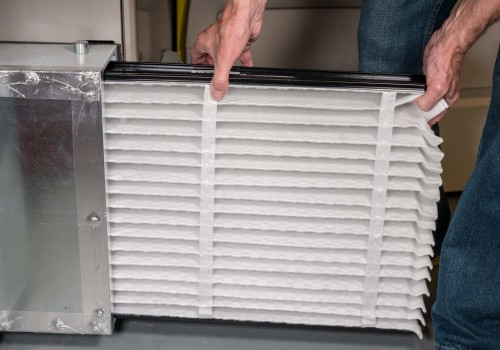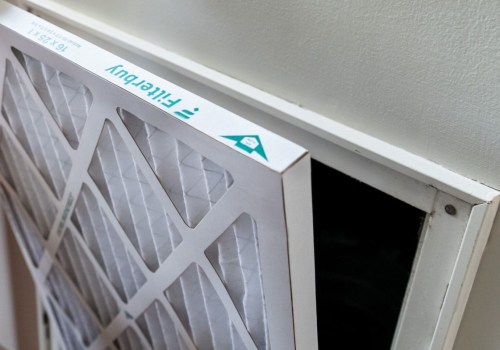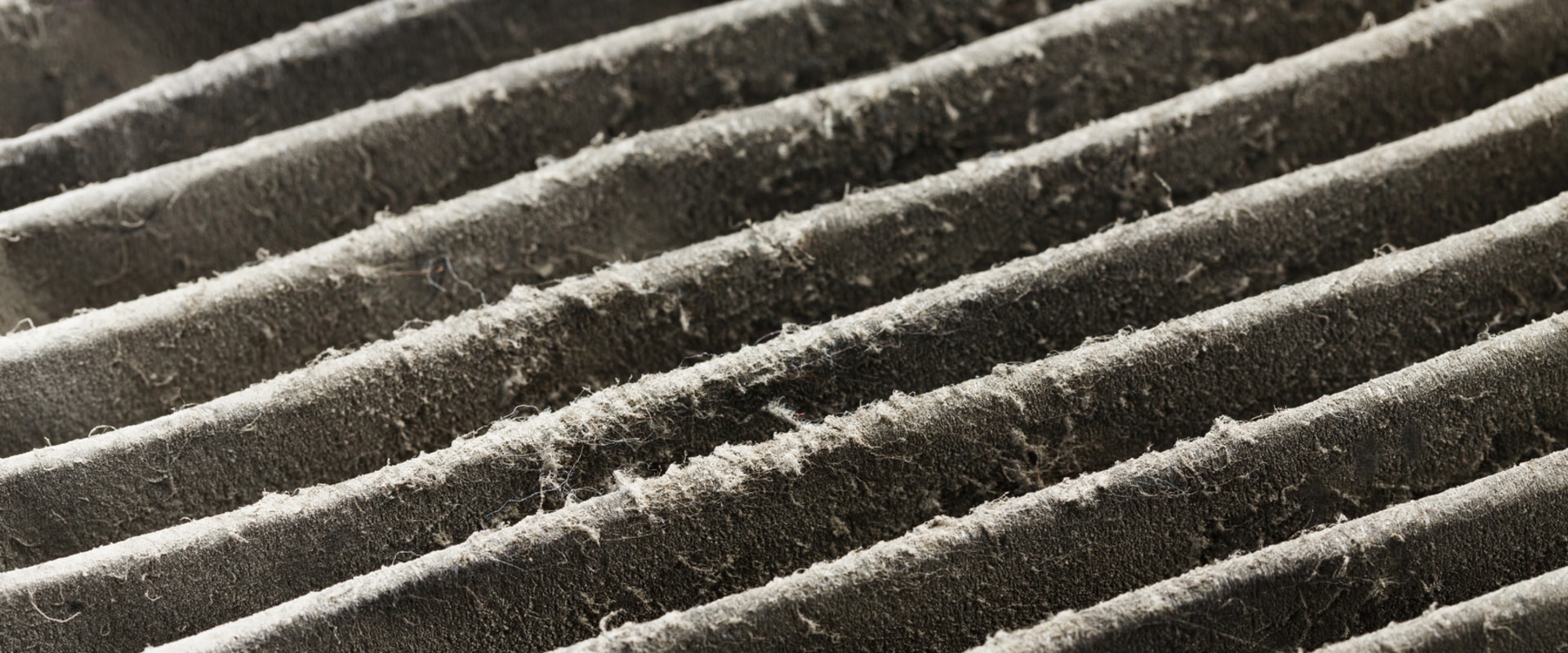
Air filters are a crucial component of any HVAC system, serving as the first line of defense against airborne contaminants. These filters are designed to trap dust, pollen, pet dander, and other particles that can compromise indoor air quality. By doing so, they not only help maintain a clean living environment but also play a significant role in the overall efficiency of your air conditioning system. Understanding what an air filter is and how it functions is essential for homeowners who want to ensure optimal performance from their AC units.At its core, an air filter works by allowing air to pass through while capturing unwanted particles.
This process begins when the air conditioning system draws in air from the home. As this air flows through the filter, it encounters a mesh or fibrous material that traps pollutants. The effectiveness of an air filter is often measured by its Minimum Efficiency Reporting Value (MERV) rating, which indicates how well it can capture various sizes of particles. Higher MERV ratings mean better filtration capabilities, making it vital to choose the right filter for your specific needs.The importance of maintaining clean air filters cannot be overstated.
Not only do they enhance indoor air quality by reducing allergens and irritants, but they also contribute to the efficiency of your AC system. A clean filter allows for unrestricted airflow, enabling the unit to cool your home more effectively and reducing energy consumption. Conversely, a clogged or dirty filter can lead to increased wear and tear on the system, higher energy bills, and even potential breakdowns. Therefore, understanding the role of air filters is essential for anyone looking to maintain a comfortable and healthy indoor environment.
The Impact of Dirty Air Filters on AC Performance
Neglecting the maintenance of air filters can lead to a cascade of issues that significantly impact the performance of your air conditioning system.One of the most immediate effects of a dirty air filter is a noticeable decrease in airflow. When the filter becomes clogged with dust, pollen, and other particulates, it restricts the amount of air that can pass through. This restriction forces the AC unit to work harder to circulate air throughout your home, leading to increased wear and tear on the system.As the air conditioner struggles to maintain the desired temperature, it consumes more energy. In fact, studies have shown that a dirty air filter can increase energy consumption by as much as 15%.
This spike in energy usage not only results in higher utility bills but also contributes to unnecessary strain on the system, potentially shortening its lifespan.Moreover, when airflow is compromised due to a dirty filter, it can lead to uneven cooling in your home. Some rooms may feel warmer than others, prompting homeowners to lower the thermostat further in an attempt to achieve comfort. This behavior exacerbates energy waste and can create a vicious cycle of inefficiency.Another critical consequence of neglecting air filter maintenance is the risk of system failure. Over time, restricted airflow can cause the evaporator coils to freeze.
When this happens, the AC unit cannot effectively expel heat from your home, leading to a complete breakdown of the cooling process. A frozen evaporator coil often requires professional intervention and can result in costly repairs.In addition to mechanical issues, dirty air filters can also compromise indoor air quality. As filters become saturated with contaminants, they become less effective at trapping allergens and pollutants. This is particularly concerning for households with individuals who suffer from asthma or allergies.
Poor indoor air quality can exacerbate these conditions, leading to health complications.In summary, maintaining clean air filters is essential for optimal AC performance. The negative consequences of dirty filters extend beyond mere inconvenience; they include decreased efficiency, increased energy costs, potential system failures, and compromised indoor air quality. Regularly checking and replacing your air filters is a simple yet crucial step in ensuring your air conditioning system operates smoothly and efficiently.
Signs That Your Air Filter Needs Attention
Recognizing when your air filter requires attention is crucial for maintaining optimal AC performance. Ignoring the signs of a dirty or clogged air filter can lead to decreased efficiency, increased energy costs, and even potential damage to your air conditioning system.Here are some key indicators that suggest it’s time to check or replace your air filter:
- Increased Energy Bills: One of the most noticeable signs of a clogged air filter is a sudden spike in your energy bills. If you observe a significant increase in your electricity costs without any changes in usage, it may be due to your AC working harder to push air through a dirty filter.
- Reduced Airflow: If you notice that the airflow from your vents has diminished, this could indicate that the air filter is obstructed. A clean air filter allows for optimal airflow, while a dirty one restricts it, making your system less effective.
- Unusual Noises: Strange sounds coming from your AC unit can also signal that something is wrong. If the system is struggling due to a clogged filter, it may produce unusual noises as it works harder than normal.
- Visible Dust and Debris: If you see an accumulation of dust around your home or on your furniture, this could be a sign that your air filter is not doing its job effectively.
A clean filter traps dust and allergens, preventing them from circulating in your living space.
- Frequent System Cycling: If your AC unit turns on and off more frequently than usual, this could indicate that it’s struggling due to a dirty air filter. This constant cycling can lead to wear and tear on the system.
- Allergy Symptoms: If you or your family members start experiencing increased allergy symptoms such as sneezing, coughing, or respiratory issues, it may be time to check the air filter. A clogged filter can allow allergens and pollutants to circulate in the air.
- Foul Odors: Unpleasant smells emanating from your AC unit can also indicate a problem with the air filter. A dirty filter can harbor mold and bacteria, leading to musty or stale odors when the system is running.
Regularly inspecting and replacing your air filter not only enhances the performance of your AC but also contributes to better indoor air quality and overall comfort in your home.
How Often Should You Change Your Air Filter?
Determining how often to change your air filter is crucial for maintaining optimal performance of your air conditioning system. The frequency of replacement can vary based on several factors, including the type of filter, the usage of your AC unit, and specific household conditions.General Guidelines for Air Filter Replacement
- Standard Fiberglass Filters: These basic filters should typically be replaced every 30 days. They are less effective at trapping smaller particles and tend to clog quickly.
- Pleated Filters: More efficient than fiberglass filters, pleated options can last up to 90 days. They capture a greater amount of dust and allergens, making them a better choice for households with pets or allergy sufferers.
- HEPA Filters: High-Efficiency Particulate Air (HEPA) filters are designed to last longer, often up to six months or even a year.
However, they require regular checks to ensure they are not clogged.
Factors Influencing Replacement Frequency
While the type of filter provides a baseline for replacement frequency, several other factors can influence how often you should change your air filter.- Usage: If you run your AC frequently, especially in hot climates, you may need to replace the filter more often. In such cases, checking the filter every month is advisable.
- Household Conditions: Homes with pets or residents who suffer from allergies may require more frequent changes. Pet dander and dust can accumulate quickly, necessitating a change every 30-60 days.
- Seasonal Changes: During peak seasons when your AC is in heavy use, consider inspecting the filter more regularly. Dust and pollen levels can rise during spring and fall, impacting air quality.
Regularly checking the condition of your filter will not only enhance the efficiency of your air conditioning system but also improve the overall air quality in your home.
Choosing the Right Air Filter for Your AC System
When it comes to maintaining your air conditioning system, selecting the right air filter is crucial for ensuring optimal performance and air quality. With a variety of options available, understanding the different types of air filters can help you make an informed decision that best suits your needs.Types of Air Filters
- Fiberglass Filters: These are the most basic type of air filters, made from layered fiberglass. They are inexpensive and effective at capturing larger particles like dust and lint. However, they do not filter out smaller particles or allergens effectively.
- Pleated Filters: Made from polyester or cotton, pleated filters have a larger surface area than fiberglass filters, allowing them to capture more dust, pollen, and other airborne particles.
They are available in various MERV ratings, which indicate their efficiency.
- HEPA Filters: High-Efficiency Particulate Air (HEPA) filters are designed to trap 99.97% of particles that are 0.3 microns or larger. They are ideal for households with allergy sufferers or pets, as they significantly improve indoor air quality.
- Electrostatic Filters: These filters use static electricity to attract and capture particles. They can be washable and reusable, making them a cost-effective option in the long run.
- Carbon Filters: Often used in conjunction with other types of filters, carbon filters excel at removing odors and volatile organic compounds (VOCs) from the air.
How to Choose an Air Filter
Selecting the right air filter for your AC system involves considering several factors:- MERV Rating: The Minimum Efficiency Reporting Value (MERV) rating indicates how effectively a filter captures particles. For residential use, a MERV rating between 7 and 12 is generally recommended for balancing efficiency and airflow.
- Size: Ensure that you choose a filter that fits your AC unit properly.
Refer to your unit’s manual for the correct dimensions.
- Allergy Considerations: If anyone in your household suffers from allergies or respiratory issues, opt for HEPA or high-MERV filters to improve air quality.
- Maintenance Frequency: Consider how often you are willing to change or clean the filter. Some filters require more frequent changes than others.
DIY Air Filter Maintenance Tips
Maintaining your air filters is essential for ensuring optimal performance of your air conditioning system. Here are some practical DIY air filter maintenance tips that can help you keep your filters in top shape:- Check Your Filters Regularly: Make it a habit to inspect your air filters at least once a month, especially during peak usage seasons. Look for visible dirt and debris accumulation.
If the filter appears dirty, it’s time to clean or replace it.
- Cleaning Methods: If you have reusable filters, cleaning them can be straightforward. Use a vacuum cleaner with a brush attachment to remove dust and dirt. For deeper cleaning, rinse the filter with lukewarm water and let it dry completely before reinstalling it. Avoid using harsh chemicals that could damage the filter material.
- Replacement Frequency: Even with regular cleaning, air filters have a limited lifespan.
Generally, disposable filters should be replaced every 1 to 3 months, while reusable ones can last up to 6 months with proper care. Always refer to the manufacturer’s guidelines for specific recommendations.
- Choose the Right Filter: Selecting the appropriate air filter for your AC unit is crucial. Look for filters with a MERV (Minimum Efficiency Reporting Value) rating that suits your home’s needs. Higher MERV ratings capture smaller particles but may restrict airflow if not compatible with your system.
- Seal Gaps: Ensure that your air filter fits snugly in its slot.
Gaps can allow unfiltered air to bypass the filter, reducing its effectiveness. If necessary, use weather stripping or tape to seal any openings around the filter frame.
- Monitor Air Quality: Pay attention to changes in indoor air quality. If you notice increased dust or allergens in your home, it may indicate that your air filter needs immediate attention.
The Benefits of Professional HVAC Maintenance Services
When it comes to maintaining your air conditioning system, the advantages of hiring professional HVAC services cannot be overstated.While some homeowners may consider DIY maintenance, the expertise and experience that professionals bring to the table can significantly enhance the performance and longevity of your AC unit.One of the primary benefits of engaging professional HVAC services is their ability to conduct thorough inspections. During a maintenance check, technicians will not only clean or replace your air filter, but they will also examine other critical components of your system, such as:
- Refrigerant levels
- Electrical connections
- Thermostat calibration
- Drain line clearance
- Compressor functionality
They understand the intricacies of various AC models and can provide tailored solutions based on your specific system's needs. This expertise not only enhances performance but also helps in maintaining energy efficiency, which is crucial for keeping utility costs down.Another significant advantage of regular professional maintenance is improved indoor air quality. HVAC professionals can clean ducts and other components that may harbor dust, allergens, and pollutants. This is particularly beneficial for households with members who suffer from allergies or respiratory issues.In addition to these practical benefits, hiring professional HVAC services can also save you time and stress.
Scheduling regular maintenance checks allows you to focus on other important aspects of your life while ensuring that your AC system operates smoothly throughout the hot months.In conclusion, investing in professional HVAC maintenance services is a proactive step towards ensuring optimal AC performance. From thorough inspections to improved air quality and energy efficiency, the benefits are clear. By entrusting your system to qualified technicians, you not only enhance its lifespan but also create a more comfortable living environment for you and your family.
The Connection Between Air Filters and Indoor Air Quality
The quality of the air we breathe indoors is crucial for our overall health and well-being. Many people are unaware that the air inside their homes can be significantly more polluted than the air outside, often due to inadequate ventilation and the presence of various contaminants.This is where air filters play a vital role in enhancing indoor air quality.Air filters are designed to capture dust, pollen, pet dander, mold spores, and other airborne particles that can compromise the cleanliness of your indoor environment. When these filters are clean and functioning properly, they effectively trap these pollutants, preventing them from circulating throughout your home. Conversely, a dirty or clogged air filter can exacerbate indoor air pollution by allowing these harmful particles to pass through.
Health Benefits of Clean Air Filters
- Reduction of Allergens: For individuals with allergies or asthma, maintaining clean air filters is essential. Filters that are regularly replaced or cleaned can significantly reduce allergens in the air, leading to fewer allergy attacks and respiratory issues.
- Improved Respiratory Health: Clean air contributes to better lung function and overall respiratory health.
By filtering out harmful particles, air filters help create a healthier living environment.
- Minimized Risk of Illness: Poor indoor air quality has been linked to various health problems, including headaches, fatigue, and even more severe conditions. By ensuring that your air filters are clean, you can help minimize the risk of these health issues.
By prioritizing the cleanliness of your air filters, you are investing in a healthier home environment that supports both physical and mental well-being.
Frequently Asked Questions About Air Filters and AC Maintenance
When it comes to maintaining your air conditioning system, understanding the role of air filters is crucial. Here are some frequently asked questions that can help clarify their importance and maintenance:- How often should I change my air filter?
It is generally recommended to check your air filter every month, especially during peak usage seasons like summer and winter. Depending on the type of filter you use, you may need to replace it every 1 to 3 months. High-efficiency filters may last longer, but regular checks are essential. - What are the signs that my air filter needs to be replaced?
If you notice reduced airflow from your vents, increased energy bills, or a musty smell in your home, these could be indicators that your air filter is clogged and needs replacement.Additionally, if the filter appears visibly dirty or discolored, it’s time for a change.
- Can I clean my air filter instead of replacing it?
Some filters are designed to be washable and reusable. If your filter is one of these, you can clean it according to the manufacturer's instructions. However, most standard filters are meant to be replaced rather than cleaned. - What type of air filter is best for my AC unit?
The best type of air filter depends on your specific HVAC system and your household needs. HEPA filters are excellent for trapping allergens and dust, while pleated filters offer better filtration than standard fiberglass options.Consulting with an HVAC professional can help you choose the right one.
- How do air filters affect indoor air quality?
Dirty or clogged air filters can significantly degrade indoor air quality by allowing dust, pollen, and other pollutants to circulate throughout your home. Regularly changing your filters helps maintain cleaner air and can reduce allergy symptoms for sensitive individuals.
Conclusion: Prioritizing Air Filter Maintenance for Long-Term AC Efficiency
In conclusion, the significance of regularly maintaining air filters cannot be overstated when it comes to ensuring the long-term efficiency and performance of your air conditioning system. Throughout this article, we have explored various aspects of how clean air filters contribute to optimal AC functionality, energy savings, and improved indoor air quality.To recap, here are the key points that highlight the importance of air filter maintenance:- Enhanced Efficiency: A clean air filter allows for unrestricted airflow, enabling your AC unit to operate at peak efficiency. This not only cools your home more effectively but also reduces the workload on the system.
- Lower Energy Costs: By maintaining clean filters, you can prevent unnecessary energy consumption.
As noted earlier, a dirty filter can lead to a significant increase in energy bills—up to 15%—which can add up over time.
- Prolonged Equipment Lifespan: Regularly changing or cleaning your air filter helps prevent strain on your AC unit. This can lead to fewer breakdowns and repairs, ultimately extending the lifespan of your system.
- Improved Indoor Air Quality: Clean air filters trap dust, allergens, and other pollutants, contributing to healthier indoor air. This is especially crucial for households with individuals who suffer from respiratory issues or allergies.
- Prevention of Costly Repairs: Neglecting air filter maintenance can result in severe issues such as frozen evaporator coils or compressor failure. These problems can lead to expensive repairs that could have been avoided with simple filter upkeep.
Establishing a routine for checking and replacing filters—ideally every one to three months—can make a significant difference in both performance and cost savings.Ultimately, investing time in maintaining your air filters is an investment in your comfort and well-being. By taking proactive measures today, you can enjoy a cooler home tomorrow while also safeguarding your finances against rising energy costs and unexpected repair bills.